In the ever-evolving landscape of education, fostering problem-solving skills has become a central goal for educators.
As we navigate through challenges both in and out of the classroom, the ability to think critically and devise solutions is invaluable.
One effective approach to nurturing these skills is through scaffolding.
This method, borrowed from the construction world, provides a supportive framework that allows students to gradually build their knowledge and confidence.
Scaffolding is not merely a teaching technique; it’s a philosophy that embraces the idea of guided learning. When students are faced with a problem, it can often feel overwhelming. Scaffolding breaks down complex tasks into smaller, manageable steps, creating a pathway that leads to understanding and mastery. Just as construction workers use scaffolding to support a building until it stands strong on its own, educators can use this approach to support students as they develop their problem-solving abilities.
At its core, scaffolding is about providing the right amount of support at the right time. It requires educators to closely observe their students and assess their individual needs. Imagine a teacher who notices a group of students struggling with a math problem. Instead of immediately providing the answer, the teacher might ask guiding questions that encourage students to think critically about the problem. This gentle nudge helps students explore their own reasoning and discover solutions through their efforts.
Creating a supportive learning environment is essential for effective scaffolding. When students feel safe to express their thoughts and make mistakes, they are more likely to engage in the problem-solving process. It’s crucial to cultivate an atmosphere where curiosity is celebrated, and questions are welcomed. This sense of safety allows students to take risks, knowing that they have the support of their teacher and peers.
One of the most effective ways to scaffold learning is through collaborative group work. When students work together, they can share their ideas and approaches to solving a problem. This collaboration not only enhances their understanding of the subject matter but also teaches them to appreciate diverse perspectives. Through discussions and teamwork, students learn to articulate their thoughts and challenge one another’s ideas in a constructive way. This exchange of ideas is a powerful tool in building problem-solving skills.
As students engage in collaborative work, it’s essential for educators to facilitate the process. Teachers can guide group discussions by posing thought-provoking questions or providing prompts that encourage deeper thinking. By stepping back and allowing students to take the lead, educators empower them to navigate challenges independently. This balance of guidance and independence is key to successful scaffolding.
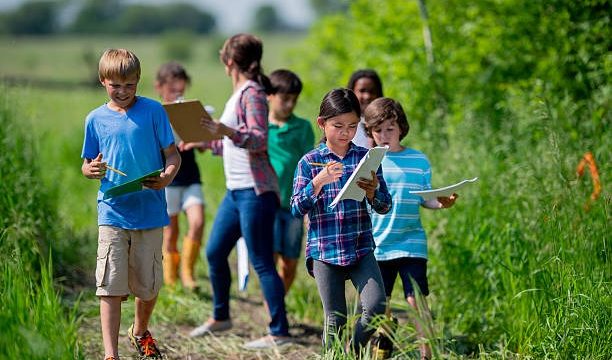
Incorporating real-world problems into the curriculum can also enhance the scaffolding experience. When students encounter challenges that are relevant to their lives, they are more likely to invest themselves in finding solutions. For instance, a project that involves addressing environmental issues in the community can inspire students to think critically and creatively. By connecting learning to real-life scenarios, educators can motivate students to engage actively in the problem-solving process.
However, it’s important to recognize that not all students will progress at the same pace. Scaffolding allows for differentiation, meaning that teachers can tailor their support based on the unique needs of each student. Some may require more direct guidance, while others may thrive with minimal intervention. This flexibility is crucial in ensuring that every student has the opportunity to develop their problem-solving skills at their own pace.
As students begin to gain confidence in their abilities, the role of the educator gradually shifts. Rather than being the sole source of knowledge, teachers can become facilitators of learning. This shift encourages students to take ownership of their education, fostering a sense of autonomy. When students are empowered to tackle problems independently, they develop resilience and a growth mindset—two essential components of effective problem-solving.
Reflection plays a vital role in the scaffolding process as well. After completing a task or project, encouraging students to reflect on their experiences can deepen their understanding. Reflection allows them to analyze what strategies worked, what challenges they faced, and how they might approach similar problems in the future. This metacognitive practice not only reinforces their learning but also equips them with tools to tackle new challenges.
As we consider the importance of problem-solving skills in today’s world, it’s clear that scaffolding is a valuable approach to education. By providing the right support, fostering collaboration, and connecting learning to real-world challenges, educators can guide students on their journey to becoming proficient problem solvers. This method not only enhances academic performance but also prepares students for the complexities of life beyond the classroom.
In a world that often feels complex and daunting, the ability to navigate challenges with confidence is a gift we can give to our students. By embracing scaffolding as a foundational teaching strategy, we can create an environment where students feel empowered to think critically, collaborate effectively, and approach problems with a sense of curiosity and resilience. This journey of growth and discovery is not just about building skills; it’s about nurturing a mindset that will serve them throughout their lives.
So, as we continue to explore innovative ways to enhance education, let us remember the power of scaffolding. It’s a gentle reminder that with the right support, students can rise to meet any challenge they encounter, turning obstacles into opportunities for growth. Together, we can build a future where problem-solving becomes second nature, paving the way for a generation of thinkers, creators, and change-makers.