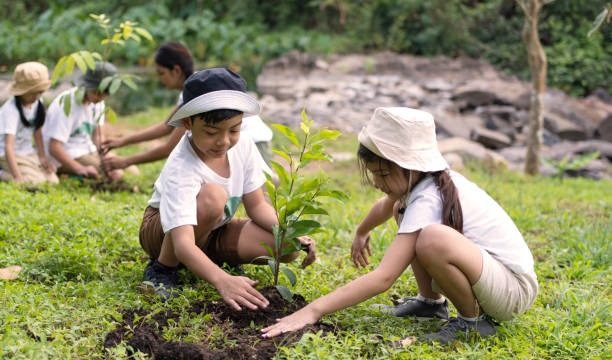
Teaching is a journey, not just a profession.
For many educators, the path is filled with moments of inspiration, challenges, and continuous growth.
As the landscape of education evolves, so too must the approaches that support sustainable teacher growth.
Cultivating an environment where teachers can thrive is essential, not only for their well-being but also for the benefit of their students.
A nurturing environment for educators begins with recognizing the importance of professional development. Traditional methods often focus on isolated workshops or seminars that may not resonate with every teacher’s individual needs. Instead, a more personalized approach to professional growth can lead to deeper engagement and long-lasting change. This might involve collaborative learning communities where teachers can share experiences, strategies, and resources. By fostering a sense of belonging, educators feel empowered to take risks and innovate in their classrooms.
Incorporating mentorship into the professional development framework can also provide significant support for teachers. Pairing seasoned educators with those newer to the field creates a rich exchange of ideas and practices. Mentorship goes beyond mere observation; it encourages dialogue, reflection, and the sharing of best practices. This relationship nurtures a culture of continuous learning, allowing both mentors and mentees to grow together. As teachers develop their skills, they also cultivate a supportive network that enhances the overall educational experience.
A small shift toward balance can make a world of difference in a teacher’s career. The demands of the job can often lead to burnout, which is detrimental not only to educators but also to their students. Encouraging teachers to prioritize self-care and work-life balance can rejuvenate their passion for teaching. Simple practices, such as setting aside time for hobbies, connecting with friends, or even engaging in mindfulness exercises, can help educators recharge. When teachers feel balanced, they are better equipped to inspire their students and create a positive learning environment.
Emphasizing reflective practice is another approach that can support sustainable growth. Taking time to reflect on teaching practices allows educators to evaluate what works and what doesn’t, leading to informed adjustments in their approach. This could be as simple as keeping a journal to track experiences or participating in peer observation sessions. By creating space for reflection, teachers can cultivate a mindset focused on growth and adaptability, essential traits in an ever-changing educational landscape.
In addition to reflection, fostering a culture of feedback is vital. Constructive feedback, whether from peers or administrators, can be a powerful tool for professional development. It encourages open communication and provides opportunities for growth. When feedback is framed positively and aimed at development, it can enhance teaching practices and build confidence. Moreover, when educators feel supported in their growth journeys, they are more likely to remain committed to their roles and the communities they serve.
Creating a community of practice also plays a crucial role in supporting teacher growth. These communities, which can be formed around specific subjects, grade levels, or teaching philosophies, provide a safe space for educators to explore new ideas and share challenges. Within these groups, teachers can collaborate on lesson planning, share resources, and discuss student engagement strategies. The sense of camaraderie that develops within these communities fosters a shared commitment to excellence in teaching, ultimately benefiting the students they serve.
Another essential aspect of sustainable teacher growth is professional autonomy. Allowing educators the freedom to explore their interests and passions within their teaching can lead to greater job satisfaction and innovation in the classroom. When teachers are given the opportunity to design their curriculum or choose professional development that aligns with their interests, they are more likely to engage deeply with their work. This autonomy not only enhances teaching practices but also nurtures a sense of ownership and pride in their profession.
Lastly, integrating technology thoughtfully into professional development can support sustainable growth. In our increasingly digital world, teachers can benefit from online courses, webinars, and virtual collaboration tools that offer flexibility and accessibility. These resources can be tailored to individual needs and allow for continuous learning without the constraints of traditional methods. However, it’s important to strike a balance between technology use and personal interaction, ensuring that educators still engage in meaningful face-to-face connections.
As we consider the various approaches that support sustainable teacher growth, it becomes clear that the journey is as unique as each educator. By fostering a supportive environment, promoting collaboration, and prioritizing self-care, we can help teachers not only survive but thrive in their careers. The ripple effect of investing in teacher growth extends far beyond the classroom; it influences students, families, and communities, creating a brighter future for all.
In conclusion, nurturing the professional growth of teachers is an ongoing commitment that requires attention and care. By embracing personalized development, mentorship, reflective practices, and community building, we can cultivate a culture where educators feel valued and empowered. As we support their journeys, we ultimately enhance the educational experience for every student, paving the way for a more engaged and inspired generation. The path to sustainable teacher growth is not a destination but a continuous journey, one we can all contribute to in meaningful ways.