Teaching is a journey that continually evolves, much like the world around us.
As educators, we often find ourselves navigating through a sea of new information, innovative techniques, and shifting student needs.
In this ever-changing landscape, refreshing our teaching skills can feel daunting, yet it is essential for fostering a vibrant learning environment. By embracing new approaches, we not only invigorate our teaching practices but also inspire our students to engage more deeply with the material.
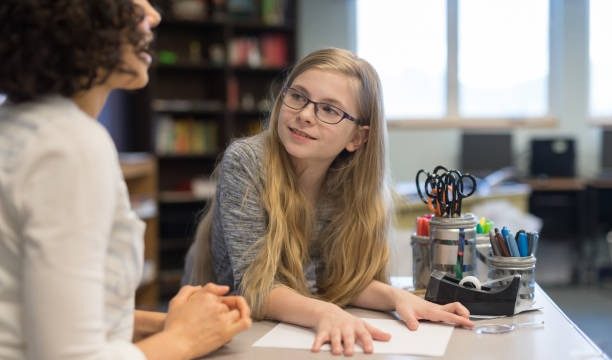
A gentle shift in perspective can work wonders. Instead of viewing teaching as a rigid process of delivering information, we can see it as a dynamic exchange between ourselves and our students. This mindset encourages adaptability and openness to new methods. For instance, incorporating a more student-centered approach can lead to richer classroom discussions. Engaging students in their own learning process allows them to take ownership, fostering a sense of responsibility and enthusiasm.
One refreshing approach is to integrate technology thoughtfully into the classroom. While some educators may feel overwhelmed by the rapid pace of technological advancement, it’s important to remember that technology can be a powerful ally. By using tools such as interactive presentations, online discussion boards, or virtual field trips, we can create an engaging atmosphere that resonates with today’s learners. These resources provide opportunities for collaboration and creativity, allowing students to explore concepts in ways that traditional methods may not.
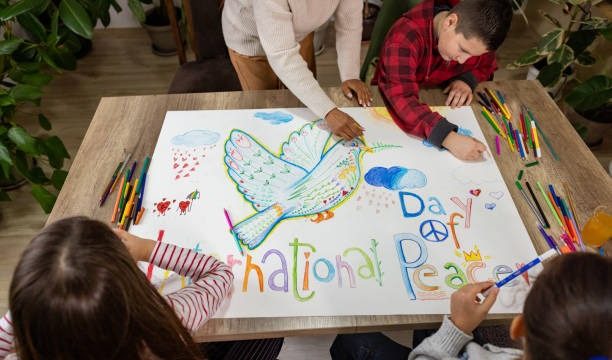
In addition to technology, exploring project-based learning can breathe new life into our teaching practices. This approach encourages students to engage with real-world problems and challenges, cultivating critical thinking and problem-solving skills. When students work on projects that matter to them, their motivation often skyrockets. As educators, it’s our role to guide them through this process, helping them to connect their learning to their own experiences and interests.
Cultivating a sense of community in the classroom can also be a transformative shift. When students feel connected to their peers and their teacher, they are more likely to participate actively in discussions and collaborations. Simple practices, such as starting each class with a brief check-in or sharing personal stories related to the lesson, can create a warm and welcoming atmosphere. This sense of belonging can significantly enhance students’ engagement and overall learning experience.
A small shift toward balance can also be found in our assessment methods. Traditional testing often emphasizes rote memorization, which may not capture the full spectrum of a student’s understanding or abilities. By diversifying our assessment strategies, we allow students to demonstrate their knowledge in various ways. Portfolios, presentations, and peer assessments can provide a more comprehensive view of a student’s progress, encouraging them to reflect on their own learning journey.
As we explore these new approaches, it’s important to remain mindful of our own well-being as educators. Teaching can be a demanding profession, often leading to burnout if we are not careful. Taking time for self-reflection and professional development can help us stay rejuvenated and excited about our work. Engaging in workshops, collaborating with colleagues, or simply setting aside time for personal reflection can provide the necessary recharge to continue inspiring our students.
Mindfulness practices can also play a significant role in refreshing our teaching skills. By incorporating moments of mindfulness into our daily routines, both for ourselves and our students, we can create a more focused and calm learning environment. Simple techniques such as deep breathing exercises or short moments of silence can help ground us in the present moment, allowing for clearer thinking and more intentional interactions.
Another enriching avenue to explore is the power of storytelling. Sharing personal narratives or relevant stories can create connections that transcend the subject matter. When students hear stories that resonate with their own experiences, they are more likely to engage with the lesson on a deeper level. Storytelling fosters empathy and understanding, creating a bridge between the teacher and students that enhances the learning experience.
As we embrace these new approaches, it’s essential to remain patient with ourselves and our students. Change takes time, and it is natural to encounter challenges along the way. By approaching these challenges with a sense of curiosity and a willingness to adapt, we can foster resilience in ourselves and our students. Recognizing that learning is a process allows us to celebrate small victories and learn from setbacks.
In the end, refreshing our teaching skills through new approaches is not just about enhancing our methodologies; it’s about nurturing a vibrant learning community. When we invest in our own growth as educators, we create an environment that encourages our students to flourish. As we explore innovative practices, let us remember that the heart of teaching lies in the connections we build and the lives we touch.
Ultimately, teaching is a beautiful blend of art and science. By remaining open to new ideas, we can cultivate a classroom filled with curiosity, creativity, and compassion. As we embark on this journey of renewal, let us embrace the possibilities that lie ahead, knowing that each small step we take can lead to profound transformations in our teaching and the lives of our students. Together, we can create a brighter future for education, one approach at a time.