In a world that often feels dominated by routine and predictability, the concept of creativity can seem like a distant dream.
Yet, as we navigate the complexities of modern life, the notion of computational creativity is beginning to emerge as a beacon of possibility.
This fascinating intersection of technology and artistry invites us to explore how machines can augment our creative processes, offering new avenues for expression and innovation.
The idea of creativity has traditionally been reserved for the human experience. Artists, writers, musicians, and thinkers have long held the keys to what it means to create. However, as technology evolves, we find ourselves in an era where machines are not just tools but collaborators in the creative process. Computational creativity involves algorithms and artificial intelligence systems that can generate original ideas, designs, and even music. This shift invites us to reconsider the boundaries of creativity and the roles we play as creators.
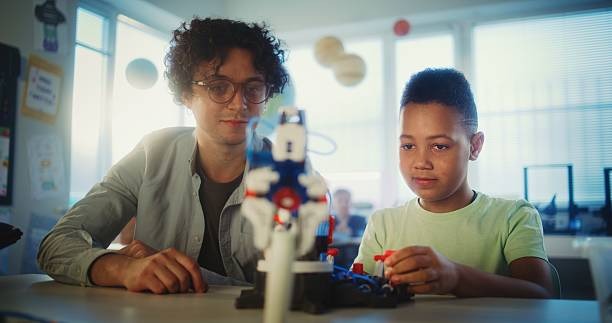
A gentle exploration of this concept reveals that computational creativity is not about replacing human ingenuity but rather enhancing it. Imagine sitting down at your desk, feeling the familiar tug of writer’s block. Suddenly, a digital companion suggests a plot twist or a lyrical line, sparking inspiration and helping you to break through the barriers of your mind. In this way, technology becomes a partner rather than a competitor, encouraging us to explore ideas we may never have considered on our own.
As we embrace this collaboration, we begin to see how computational creativity can influence various aspects of our lives. From generating unique artwork to composing music that resonates with our emotions, the possibilities are endless. Artists can utilize algorithms to create stunning visuals that push the boundaries of traditional mediums. Musicians can experiment with AI-generated melodies, blending human emotion with machine precision to produce sounds that captivate listeners.
The beauty of computational creativity lies in its ability to democratize the creative process. With tools that are increasingly accessible, individuals from all walks of life can tap into their artistic potential. You don’t need to be a seasoned painter or a skilled musician to create something meaningful. Many platforms now allow anyone to experiment with design, music, and storytelling, providing a safe space for self-expression. This newfound accessibility encourages a diverse range of voices and perspectives, enriching our collective cultural landscape.
As we navigate this journey of exploration, it’s essential to approach computational creativity with a mindset of curiosity. Rather than viewing it as a replacement for traditional methods, we can see it as an invitation to discover new dimensions of our creativity. This perspective aligns beautifully with the idea of balance in our lives. Just as we seek harmony between work and play, we can find equilibrium in our creative pursuits, blending the organic with the synthetic.
Incorporating computational creativity into our lives can also serve as a form of self-care. Engaging in creative activities has been shown to reduce stress and enhance overall well-being. By allowing ourselves the freedom to experiment without judgment, we create space for joy and exploration. Whether it’s doodling on a digital canvas or composing a spontaneous melody, these moments of play can invigorate our spirits and foster a sense of connection to ourselves and the world around us.
As we delve deeper into the realm of computational creativity, it’s important to acknowledge the ethical considerations that arise. The use of AI in creative processes raises questions about authorship and originality. Who owns a piece of art generated by an algorithm? What does it mean for a machine to create? These inquiries invite us to reflect on our values and the implications of technology in our lives. Engaging in conversations about these topics can help us navigate this new landscape with thoughtfulness and intention.
In a society that often celebrates the fast-paced and the efficient, the slower, more contemplative aspects of creativity can be overlooked. Yet, the integration of computational creativity encourages us to pause and reflect. It invites us to take a step back, allowing technology to assist us in our creative journeys while still cherishing the human touch that makes our creations unique.
As we embrace the power of computational creativity, we can also cultivate a sense of community. Collaborating with others, whether they are fellow artists or tech enthusiasts, can lead to exciting projects that blend diverse skills and perspectives. These collaborations can foster friendships and networks that enrich our lives, reminding us that creativity thrives in shared spaces.
In conclusion, the power of computational creativity is not just about the technology itself but about how we choose to engage with it. As we open ourselves to the possibilities it offers, we can find new pathways to self-discovery and expression. By embracing this synergy between human and machine, we create a vibrant tapestry of creativity that reflects the richness of our experiences. In this evolving landscape, let us nurture our creative spirits, allowing both our human instincts and technological innovations to flourish together. As we embark on this journey, we may just uncover the hidden depths of our own creativity, leading us to a future where imagination knows no bounds.