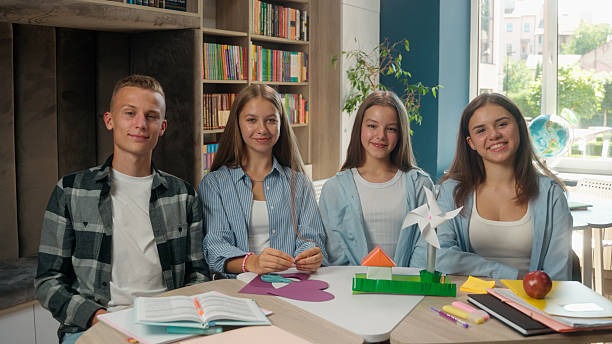
Learning is often perceived as a solitary endeavor, but it doesn’t have to be that way.
In fact, infusing social interaction and fun into learning can transform the entire experience into something vibrant and engaging.
Whether you’re a student, a parent, or someone who simply loves knowledge, there are countless ways to make learning a communal and enjoyable journey.
A warm approach to learning
Imagine a cozy café, filled with the laughter of friends sharing ideas, or a sunlit park where children explore nature together, asking questions and discovering answers as a group. This is the essence of social learning—it thrives on interaction, collaboration, and shared enthusiasm. When we learn together, we not only absorb information more effectively, but we also create memories that last a lifetime.
One of the simplest ways to make learning social is to embrace group activities. Consider forming a study group or a book club. These settings encourage discussion and allow people to express different perspectives, enriching the learning process. In a study group, for example, members can tackle challenging subjects together, offering support and insights that can make complex topics more approachable.
Finding joy in shared experiences
Learning can also be enhanced through shared experiences that spark curiosity and excitement. Workshops, community classes, and local events can be fantastic opportunities to engage with others while exploring new subjects. Imagine attending a pottery class where you not only learn to mold clay but also share stories and laughter with fellow participants. Such experiences create bonds and foster a sense of belonging, making the learning process feel less daunting and far more enjoyable.
Incorporating play into education is another delightful method to promote social learning. Games and playful activities can stimulate creativity and critical thinking while allowing participants to interact with one another. Whether it’s a trivia night or a scavenger hunt designed around a particular theme, these activities can ignite a sense of friendly competition and camaraderie, making the learning experience both memorable and fun.
Creating a supportive environment
A key aspect of making learning social is establishing a supportive environment where everyone feels comfortable sharing their thoughts. Encouragement and positive reinforcement can go a long way in building confidence among learners. When individuals know their contributions are valued, they are more likely to engage actively and express their ideas freely.
Consider creating a “learning circle” with friends or family, where everyone takes turns teaching each other something new. This not only diversifies the topics being explored but also deepens relationships as each person shares their unique passions and expertise. This kind of collaborative learning fosters a sense of community, making the process feel less like an obligation and more like a rewarding experience.
The power of storytelling
Storytelling is a powerful tool in the learning process. Sharing personal experiences can make lessons more relatable and engaging. Whether you’re recounting a historical event or discussing a scientific concept, weaving narratives can capture attention and spark interest. Encourage learners to share their own stories related to the subject matter; this not only enriches the discussion but also builds connections between individuals.
Incorporating multimedia resources, such as videos, podcasts, or interactive websites, can further enhance storytelling. These tools can present information in dynamic ways, making it easier for learners to grasp concepts and see their real-world applications. When learners can connect emotionally with the material, they are more likely to retain the information and find joy in the process.
Nurturing curiosity through exploration
Curiosity is a natural driver of learning, and encouraging exploration can amplify this desire. Organizing field trips, whether to museums, nature reserves, or historical sites, can provide hands-on experiences that stimulate curiosity and promote social interaction. These outings create opportunities for discussions and questions, allowing participants to learn from each other in a relaxed and enjoyable setting.
Furthermore, technology can play a significant role in making learning social and fun. Online platforms and forums enable individuals from different backgrounds to connect and share knowledge. Virtual study groups or discussion boards can bring people together, regardless of geographical barriers, fostering a global learning community. Engaging with others online can introduce diverse perspectives, making the learning experience even richer.
Embracing the joy of discovery
At its core, learning should be a joyful pursuit. By approaching it with an open mind and a sense of playfulness, we can create an atmosphere that is conducive to exploration and growth. Encouraging a mindset that values curiosity over perfection can help alleviate the pressure often associated with learning. Remind yourself and others that it’s okay to make mistakes; they are often the best teachers.
Incorporating elements of fun into learning doesn’t mean compromising on depth or substance. On the contrary, it can enhance understanding and retention. When individuals are engaged and excited about what they’re learning, they are more likely to invest time and energy into the process.
A small shift toward balance
Ultimately, making learning social and fun is about balance. It’s about creating spaces where individuals can connect, collaborate, and support one another while pursuing knowledge. By fostering a culture of encouragement, exploration, and playfulness, we can transform the learning experience into something truly enriching.
As we navigate our own learning journeys, let’s remember the importance of community and shared experiences. By embracing the joy of learning together, we can inspire one another and cultivate a lifelong love for knowledge. In doing so, we not only enhance our own lives but also contribute to a more connected and curious world.