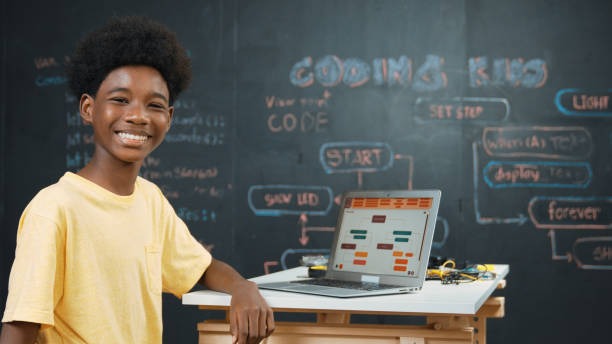
In today’s fast-paced digital world, the importance of teaching kids programming cannot be overstated.
It’s not just about preparing them for future careers; it’s about nurturing creativity, problem-solving skills, and logical thinking from a young age.
The thought of introducing programming to children may seem daunting, but it can be a delightful journey filled with discovery and fun. Let’s explore how to make kids’ programming simple and engaging.
A gentle introduction to coding
At its core, programming is a way to communicate with computers. For children, this concept can be simplified to the idea of giving instructions to achieve a desired outcome. Starting with basic concepts like algorithms—essentially step-by-step instructions—can lay a solid foundation. Kids can relate to this easily; after all, they follow instructions every day, whether it’s a recipe or a set of directions to build a LEGO structure.
Using playful tools can enhance this learning experience. There are numerous resources designed specifically for children that transform coding into a game. Platforms like Scratch or Code.org offer interactive environments where kids can create their own animations, stories, or games. These tools provide a sense of accomplishment, encouraging them to explore further.
Fostering creativity through coding
One of the most beautiful aspects of programming is its ability to foster creativity. When kids learn to code, they’re not just learning to write instructions; they’re learning to express themselves. They can create worlds, characters, and narratives that are entirely their own. Encouraging them to think of programming as a form of art can shift their perspective from viewing it as a technical skill to seeing it as a medium for creativity.
Consider setting aside time for children to work on personal projects. This could be anything from a simple game to an interactive story. By allowing them the freedom to explore their ideas, you’re nurturing their creativity and giving them the confidence to experiment. Celebrate their successes, no matter how small, as this positive reinforcement will motivate them to continue learning.
Building problem-solving skills
Programming inherently involves problem-solving. When kids code, they encounter challenges that require critical thinking. This process teaches them how to break down complex problems into manageable parts and find solutions step by step. It’s a valuable life skill that extends beyond the screen.
Encouraging kids to tackle real-world problems can be an effective way to enhance their programming skills. Perhaps they can create a simple app to help organize their homework or develop a game that teaches their peers about a subject they love. By connecting coding to their everyday lives, they will see the relevance and power of their skills.
Creating a supportive environment
The journey of learning programming should be a shared experience. Parents, guardians, and teachers play a crucial role in creating an encouraging atmosphere where kids feel safe to explore and ask questions. Engaging in coding activities together can be a great way to bond. When adults show interest and enthusiasm, it inspires children to embrace the challenge.
Consider joining online coding communities or local workshops where families can learn together. These communities often provide a wealth of resources, support, and camaraderie. Sharing this journey can make coding feel less intimidating and more like a collaborative adventure.
Embracing the learning process
It’s important to remember that programming is a skill that develops over time. Mistakes are part of the learning process, and they should be viewed as opportunities for growth rather than setbacks. Encouraging a mindset of resilience will help children navigate challenges more effectively.
When kids encounter a bug in their code or an idea doesn’t work as planned, guide them to reflect on what went wrong and how they can approach it differently. This practice of troubleshooting not only enhances their programming skills but also builds emotional intelligence as they learn to manage frustration and celebrate perseverance.
Connecting with role models
Introducing children to role models in the tech field can be inspiring. Stories of successful programmers and innovators can motivate them to pursue their interests in coding. Whether it’s through books, documentaries, or guest speakers, showcasing diverse individuals in technology can help children visualize their potential in these roles.
Encouraging them to think about the impact of technology on society can also broaden their understanding. Discussing how coding can solve real-world problems, from environmental issues to healthcare, can ignite a passion for using technology for good.
A small shift toward balance
As with any activity, balance is key. While programming can be an exciting and enriching pursuit, it’s essential to ensure that kids maintain a well-rounded lifestyle. Encourage them to explore other interests, whether it’s sports, arts, or outdoor activities. This holistic approach will cultivate a more balanced skill set and a healthier perspective on learning.
Ultimately, the goal is to create a love for learning. By making programming accessible and enjoyable, you’re equipping children with the tools they need to thrive in an increasingly digital world. The journey of coding is not just about mastering a skill; it’s about nurturing curiosity, creativity, and confidence.
In conclusion, introducing kids to programming doesn’t have to be a complex endeavor. With the right resources, a supportive environment, and an emphasis on creativity and problem-solving, you can guide them on an exciting journey into the world of coding. Embrace this opportunity to nurture their potential, and watch as they flourish in ways you never imagined.