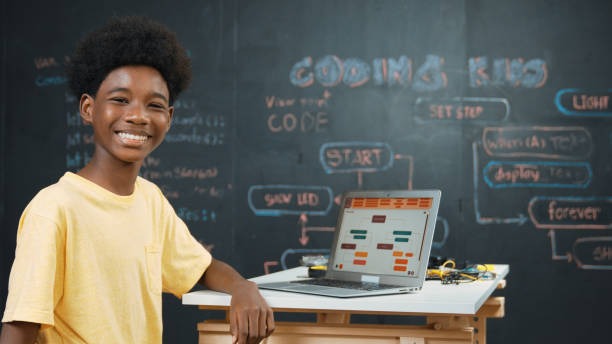
In today’s digital age, coding is becoming an essential skill for kids, offering them a chance to explore creativity, problem-solving, and logical thinking.
Whether your child is a budding tech enthusiast or just curious about how things work behind the screen, there are numerous fun and engaging coding projects that you can easily try together at home.
These projects are not only educational but also a wonderful way to bond as a family.
A welcoming introduction to coding
Before diving into projects, it’s helpful to create an inviting atmosphere for coding. Consider setting up a cozy workspace with plenty of natural light and minimal distractions. Gather some essential tools, like a computer or tablet, and perhaps a notebook for jotting down ideas or sketching out plans. This space will be a little haven for creativity and exploration.
Exploring Scratch
One of the most accessible platforms for kids is Scratch, a visual programming language developed by MIT. It allows children to create interactive stories, games, and animations using blocks that represent different coding commands. The drag-and-drop interface makes it easy for young learners to understand the basics of coding without feeling overwhelmed.
You might start by encouraging your child to recreate their favorite story or game. This could involve animating characters or designing a simple game where players navigate through various challenges. As they experiment with Scratch, they’ll learn about loops, conditionals, and events—all fundamental concepts in coding. You can even join in the fun, collaborating on a project that sparks both of your imaginations.
Crafting a simple website
Another delightful project involves creating a simple website. With platforms like WordPress, Wix, or even basic HTML and CSS, your child can design a personal website. This could be a portfolio showcasing their hobbies, a blog about their favorite books, or even a family recipe page.
Start by discussing what they would like to share. This conversation can lead to brainstorming ideas for content, layout, and design. As they delve into web design, they’ll gain a better understanding of how the internet works while also expressing their creativity. Plus, there’s a wonderful sense of accomplishment that comes from seeing their work published online.
Building with LEGO Mindstorms
For those who have a penchant for robotics, LEGO Mindstorms is a fantastic way to blend coding with hands-on building. This platform allows kids to construct their own robots and program them to complete various tasks. It combines engineering principles with coding, making it an engaging project for both boys and girls.
You can start by guiding your child through the assembly of a basic robot. Once the robot is built, the real fun begins. They can write simple programs to make the robot move, respond to sensors, or even navigate through a maze. This project not only teaches coding but also encourages critical thinking and problem-solving skills. Working together to troubleshoot and refine the robot’s performance can lead to valuable lessons about perseverance and teamwork.
Creating a game with Python
If your child is ready for a bit more of a challenge, consider introducing them to Python, a versatile programming language that is beginner-friendly yet powerful. Together, you can create a simple text-based game or a more interactive project using libraries like Pygame.
Start with a basic concept, like a guessing game or a simple adventure game where players make choices that lead to different outcomes. As you work through the coding process, take the time to explain the logic behind each step. This not only enhances their understanding but also fosters a sense of curiosity about how coding can be applied in various scenarios. The satisfaction of seeing their own game come to life is sure to ignite their passion for coding even further.
Exploring robotics with Arduino
For families interested in electronics and hands-on projects, Arduino kits offer a wonderful introduction to programming hardware. With Arduino, kids can create anything from simple LED light displays to more complex devices like weather stations or automated plant watering systems.
Begin by exploring the components included in the Arduino kit. Together, you can follow tutorials to learn how to make circuits and write code to control the hardware. This project encourages creativity as kids design their own gadgets, while also teaching them about circuitry and the principles of coding in a tangible way. The thrill of watching their creations come to life can be incredibly rewarding.
Engaging in coding challenges
To keep the excitement alive, consider engaging in coding challenges. Websites like Code.org or Khan Academy offer various coding exercises and games that can be both educational and entertaining. These challenges can range from simple puzzles to more complex projects, allowing your child to progress at their own pace.
Set aside some time each week for coding challenges, treating it like a fun family activity. You can even turn it into a friendly competition, where each family member tries to solve a problem in their unique way. This not only builds coding skills but also fosters a supportive learning environment where everyone can share ideas and celebrate achievements.
A journey of discovery
As you embark on these coding projects together, remember that the goal is not just to learn coding but to foster a love for creativity and exploration. Celebrate the small victories, whether it’s successfully coding a character to move on the screen or completing a project they are proud of.
Encouraging your child in this journey opens up a world of possibilities, equipping them with skills that will serve them well in the future. Most importantly, these moments spent together can strengthen your bond, creating cherished memories that will last a lifetime.
In this fast-paced world, nurturing curiosity and creativity through coding projects can be a delightful way to engage with your child. So gather your materials, ignite your imaginations, and embark on this exciting adventure together.