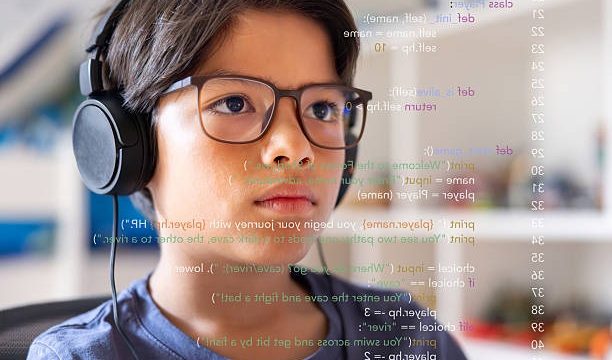
In today’s digital landscape, coding is becoming as essential as reading and writing.
But how can we introduce this complex skill to our little ones in a way that feels natural and engaging? The answer might be simpler than we think: through play.
By incorporating elements of coding into fun activities, children can develop critical thinking and problem-solving skills while enjoying the process.
Understanding the world of coding can seem daunting, especially for young minds. However, when we frame it as a game rather than a chore, we open up a world of creativity and exploration. Coding is essentially a language, a way for us to communicate with computers, and what better way to teach a language than through the playful curiosity inherent in childhood?
Engaging in playful coding activities allows children to express themselves creatively. They can build their own games, design animations, or even create interactive stories. This blend of creativity and logic not only keeps their interest piqued but also nurtures their imagination. Instead of viewing coding as a set of rigid instructions, kids can see it as a canvas for their ideas.
A gentle introduction to coding can begin with simple, everyday activities. For instance, parents can use toys that involve sequencing, like building blocks or even simple board games. When children arrange blocks in a specific order or follow the rules of a game, they are essentially practicing the foundational elements of coding: logical thinking and problem-solving. This organic approach allows them to grasp the basics without feeling overwhelmed.
As children become more comfortable with these concepts, we can introduce them to various playful coding tools designed specifically for young learners. Many platforms offer colorful interfaces and interactive tutorials that feel more like games than lessons. These tools often use visual coding languages, where children can drag and drop blocks to create their own programs. This hands-on experience helps solidify their understanding of coding principles while maintaining an element of fun.
Exploring coding through play also encourages collaboration. Group activities, such as coding clubs or workshops, can provide a supportive environment where kids can share ideas and learn from one another. In these settings, they can work together to solve challenges, fostering teamwork and communication skills. The social aspect of coding play not only enhances their learning experience but also builds friendships that can last a lifetime.
One of the most exciting aspects of learning coding through play is the opportunity for experimentation. Children are naturally curious, and when they are allowed to play around with code, they can discover new ways to solve problems. Encouraging them to test their ideas, make mistakes, and find solutions nurtures resilience and adaptability—traits that are invaluable in today’s ever-changing world.
As parents and caregivers, we can support this journey by providing an environment that encourages exploration. Setting aside time for unstructured play, where children can engage with coding tools or work on projects of their choosing, can be incredibly beneficial. This freedom allows their creativity to flourish, leading to a deeper understanding of the concepts at hand.
Incorporating storytelling into coding activities can further enhance the learning experience. Children love stories, and by framing coding challenges within a narrative, we can capture their imagination. For example, they might code a character to navigate a maze or create an interactive story where their choices affect the outcome. This combination of narrative and technology not only makes learning more engaging but also helps children grasp the cause-and-effect relationships that are foundational to coding.
As we guide our children through their coding journey, it’s crucial to celebrate their progress, no matter how small. Encouragement and positive reinforcement can go a long way in building their confidence. When they successfully code a simple animation or solve a problem, acknowledging their achievement reinforces the idea that learning is a journey filled with ups and downs. This supportive atmosphere fosters a growth mindset, encouraging them to embrace challenges rather than shy away from them.
Moreover, it’s essential to remember that while coding is a valuable skill, it’s just one aspect of a well-rounded education. Balancing screen time with outdoor play, reading, and creative pursuits ensures that children develop holistically. Encouraging them to explore various interests can help them discover their passions, whether in technology, the arts, or even sports.
As parents, we can also lead by example. Sharing our own experiences with technology and coding, even if we are not experts, shows our children that learning is a lifelong process. It encourages them to ask questions, seek knowledge, and feel comfortable exploring new concepts.
In the end, the goal is not just to teach our kids how to code but to inspire a love for learning. By making coding a playful adventure, we can help them develop skills that will serve them well in the future, no matter where their interests may lead.
In a world increasingly driven by technology, equipping our children with coding skills through play offers them an invaluable toolkit for the future. As they learn to code, they also learn to think critically, solve problems creatively, and collaborate with others. This journey is not just about becoming proficient in a technical skill; it’s about nurturing curious, resilient, and imaginative individuals ready to explore the world around them.
So, let’s embrace the joy of learning through play, allowing our children to discover the wonders of coding in a way that feels natural and inspiring. After all, the best way to learn is often through the simple act of playing.