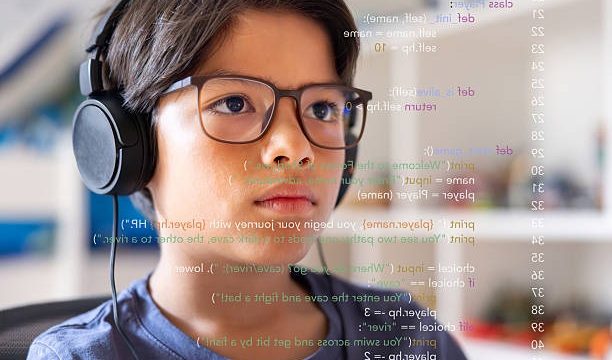
In today’s digital age, coding has become an essential skill, much like reading and writing.
Introducing coding to children can be an exciting journey, one that blends creativity with critical thinking.
Beyond the technical skills, coding fosters problem-solving abilities and encourages a sense of accomplishment. For parents looking to explore this world with their children, there are numerous fun and engaging coding lessons that can ignite a passion for technology and innovation.
A gentle introduction to coding can begin with simple concepts that resonate with kids. Starting with visual programming languages, such as Scratch, can provide a delightful entry point. Scratch allows children to create animations and games by snapping together colorful code blocks, making the learning process feel more like a game than a lesson. This platform encourages creativity while teaching the fundamentals of programming logic, such as loops and conditionals.
As children experiment with Scratch, they learn to think like a coder. They can animate their favorite characters, create interactive stories, or develop simple games. The sense of achievement that comes from seeing their ideas come to life can be incredibly rewarding. With each project, kids gain confidence in their ability to create and innovate.
Many children enjoy storytelling, and coding can seamlessly blend into this passion. Platforms like Tynker and Code.org offer fun coding lessons that incorporate storytelling elements. For instance, kids can create their own stories and characters, using coding to control the narrative. This approach not only makes coding more relatable but also nurtures essential skills in writing and creativity. The process of crafting a story while learning to code can inspire kids to think critically about plot development and character arcs.
Incorporating games into coding lessons can be a wonderful way to maintain engagement. Websites like CodeCombat and LightBot turn coding into an adventure, where children solve puzzles and challenges to progress through levels. These platforms are designed to feel like games, making learning enjoyable. By navigating through various coding challenges, children strengthen their logical reasoning while having fun. The thrill of overcoming obstacles and unlocking new levels can motivate them to continue exploring the world of coding.
Another engaging avenue is robotics. Many children are fascinated by robots, and combining coding with robotics can create an interactive learning experience. Kits such as LEGO Mindstorms or VEX Robotics allow kids to build and program their own robots. This hands-on approach not only makes coding tangible but also encourages teamwork and collaboration when working on group projects. Through trial and error, kids learn about engineering and programming principles, all while having a blast.
As children dive deeper into coding, it’s essential to maintain a balance between structured lessons and free exploration. Encouraging kids to tinker and experiment fosters a sense of curiosity and innovation. It’s important for them to understand that making mistakes is a natural part of the learning process. This mindset helps cultivate resilience and adaptability, qualities that are invaluable in any field.
A small shift toward balance can involve integrating coding with other subjects. For example, coding can enhance lessons in math by demonstrating how algorithms work. Children can visualize mathematical concepts through coding projects, making abstract ideas more concrete. This interdisciplinary approach not only enriches their learning experience but also shows them the practical applications of coding in various fields.
Parents can also take part in their children’s coding journey. Joining in on coding activities not only strengthens the parent-child bond but also allows parents to learn alongside their kids. This shared experience can lead to meaningful conversations about technology, creativity, and problem-solving. There are numerous online resources and community events that offer family-friendly coding activities, providing an opportunity for quality time spent together.
For many families, finding time for coding lessons can be challenging. However, coding doesn’t have to be confined to a structured class or schedule. Simple coding games and activities can be easily integrated into daily routines. For instance, parents can encourage their children to think like coders when solving everyday problems, whether it’s organizing their room or planning a family outing. This approach helps children see coding as a mindset rather than just a set of skills.
The world of coding is continually evolving, and staying updated with trends can enhance the learning experience. There are a plethora of online courses and resources available to both children and parents. Websites like Khan Academy and Codecademy offer interactive lessons that cater to different age groups and skill levels. Exploring these options together can inspire children to pursue their interests further and make learning a lifelong journey.
As kids progress in their coding skills, they may even want to share their creations with others. Encouraging them to showcase their projects at school or community events can be a great confidence booster. Sharing their work allows them to receive feedback and learn from peers, fostering a sense of community and collaboration.
Ultimately, the goal of introducing coding to children is not just to prepare them for future careers in technology, but to nurture their creativity, critical thinking, and problem-solving skills. Fun coding lessons can open doors to a world of possibilities, encouraging kids to express themselves and innovate. By providing a supportive and engaging environment, parents can help their children embark on a fulfilling journey into the digital landscape, fostering a love for learning that will last a lifetime.
In a world where technology is ever-present, giving children the tools to understand and create is a gift that will empower them for years to come. Whether through games, storytelling, or robotics, the journey into coding can be as enriching as it is enjoyable. Embracing this adventure together can lead to wonderful discoveries and cherished memories.