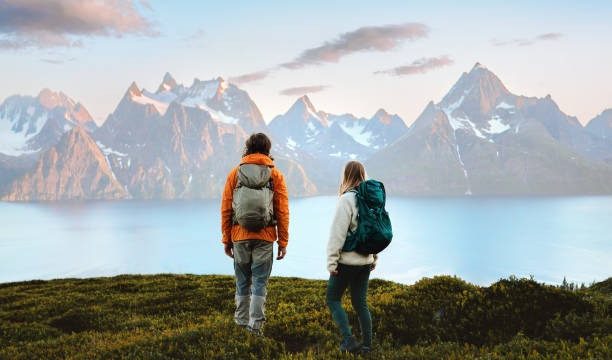
Mountains are more than just stunning backdrops to our adventures; they are powerful forces that shape the very climate we experience.
Rising majestically in the distance, these natural wonders not only captivate our hearts but also play a crucial role in regulating weather patterns and influencing ecosystems.
The intricate relationship between mountains and climate is a fascinating tapestry woven from geology, geography, and biology.
When we think of mountains, we often picture their snow-capped peaks, lush valleys, and rugged terrains. These features are not just beautiful; they also create unique microclimates that can have a significant impact on the surrounding areas. For instance, as moist air rises to cross a mountain range, it cools and condenses, leading to precipitation on the windward side. This phenomenon, known as orographic lift, results in lush forests and vibrant ecosystems on one side, while the leeward side may experience a rain shadow effect, resulting in drier conditions and distinct landscapes.
The interplay of mountains and climate can also be seen in the way they influence temperature. Higher altitudes typically mean cooler temperatures, which can create a variety of climatic zones within a relatively small geographical area. This vertical diversity supports a rich array of flora and fauna, allowing different species to thrive at different elevations. As we explore these mountainous regions, we find not only breathtaking views but also a rich tapestry of life that adapts to the varied conditions.
As we delve deeper into the mountains, we begin to appreciate their role in the water cycle. Snowmelt from mountain ranges is a vital water source for many communities and ecosystems downstream. Rivers that originate from these peaks provide life-giving water to valleys and plains, supporting agriculture, wildlife, and human populations. The seasonal melting of snow is crucial, as it helps to maintain water levels during the warmer months when rainfall may be scarce. This natural reservoir function of mountains is essential for sustaining life in many regions.
Mountains also serve as natural barriers that can influence wind patterns. The orientation and height of a mountain range can redirect winds, creating distinct weather systems on either side. This can result in varying climates even within short distances. For those who live in proximity to these towering giants, the weather can change dramatically from one side of the mountain to the other, fostering diverse lifestyles and agricultural practices.
In recent years, the effects of climate change have become increasingly apparent, and mountains are not immune to these shifts. Rising temperatures can lead to earlier snowmelt and altered precipitation patterns, which in turn can disrupt the delicate balance of ecosystems that depend on consistent water sources. As temperatures rise, higher altitudes are experiencing changes in vegetation, with some species migrating to cooler areas. These shifts can have cascading effects on local wildlife and biodiversity, reminding us of the interconnectedness of our planet’s systems.
The beauty of mountains and their influence on climate also beckons us to consider our relationship with nature. Many of us seek solace in the mountains, finding peace and rejuvenation in their presence. Whether it’s hiking, skiing, or simply soaking in the views, these experiences can foster a deeper appreciation for the environment and the delicate balance that sustains it. Spending time in the mountains encourages us to reflect on our impact on the planet and inspires us to protect these vital ecosystems.
As we navigate our lives, it’s essential to recognize that our actions can either contribute to or mitigate the challenges facing mountainous regions. Sustainable tourism practices, conservation efforts, and responsible resource management are crucial in preserving the natural beauty and ecological integrity of these areas. By supporting local initiatives and being mindful of our footprint, we can help ensure that future generations will also have the opportunity to experience the splendor of mountains and their vital role in shaping our climate.
In this ever-evolving world, the mountains stand as timeless witnesses to the changes around us. Their grandeur reminds us of the power of nature and the importance of living in harmony with our surroundings. As we admire their beauty, let us also commit to understanding and protecting these magnificent structures that not only inspire us but also play a significant role in maintaining the delicate balance of our climate.
In conclusion, the mountains are a testament to the intricate dance between nature and climate. They influence weather patterns, provide essential resources, and support diverse ecosystems. As we explore these majestic landscapes and enjoy the serenity they offer, let us also remember our responsibility to preserve their beauty and significance. The mountains are not just a place to visit; they are a vital part of our planet’s health and, in turn, our own well-being. Embracing this connection can lead to a more profound appreciation for the natural world and inspire us to be stewards of the environment, ensuring that these magnificent formations continue to shape our climate for generations to come.