Geography shapes history in profound ways, influencing the rise and fall of civilizations, the movement of peoples, and the unfolding of cultural narratives.
As we explore this intricate relationship, we can appreciate how the contours of our planet have not only defined boundaries but also forged connections that resonate through time.
Consider the vast, sweeping landscapes of the world. Mountains, rivers, deserts, and plains have all played pivotal roles in human development. The Himalayas, for instance, have long stood as a natural barrier, shaping the cultures of the Indian subcontinent and Tibet. This majestic range has influenced trade routes, migration patterns, and even the spread of religions. The isolation afforded by such formidable geography can lead to distinct cultural evolutions, allowing traditions and languages to flourish in ways that may not have occurred without these natural boundaries.
Rivers have similarly been the lifeblood of civilizations. The Nile, for example, nurtured the ancient Egyptians, providing them with fertile land and a means of transportation. The annual flooding of the river was not just a seasonal event; it was a phenomenon that dictated agricultural cycles and, consequently, the rhythm of life itself. In this way, geography does not merely serve as a backdrop for history; it actively shapes the narratives of societies, dictating how they grow, thrive, and sometimes struggle.
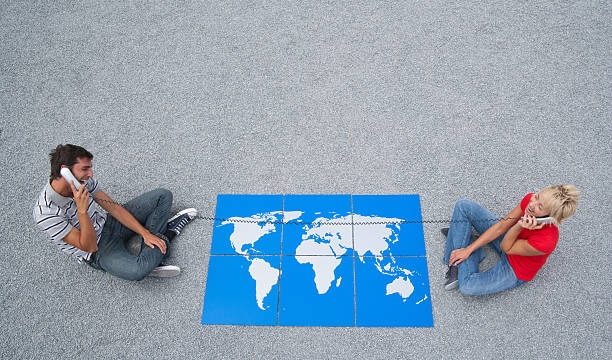
As we think about the role of geography, it’s also essential to recognize how it affects human movement. The Silk Road, a network of trade routes connecting East and West, was not just a pathway for goods but also for ideas and cultures. The geography of this ancient route, spanning deserts and mountains, facilitated not only commerce but also the exchange of philosophies and innovations. It illustrates how geography can create bridges between disparate cultures, fostering a shared human experience that transcends borders.
In contrast, geographical barriers can also lead to isolation. The islands of Japan, for instance, developed a unique culture and identity, largely due to their geographical seclusion. This isolation allowed for the preservation of traditions and practices that might have otherwise been diluted in a more connected environment. However, it also meant that Japan faced challenges when it came to external influences and interactions. The delicate balance between isolation and engagement is a recurring theme in history, shaped largely by geography.
The interplay between geography and history is equally evident in the context of conflict. Natural resources, often dictated by geographical conditions, have been a catalyst for wars and territorial disputes. The fertile crescent, known as the cradle of civilization, has seen its share of conflicts, driven by the competition for arable land and water. The geography of a region can dictate not only the resources available but also the strategic importance of a location in the broader tapestry of global affairs.
As we reflect on these themes, we can also appreciate how geography impacts our daily lives in more subtle ways. The climate of a region can influence the food we eat, the clothes we wear, and the activities we pursue. For example, the Mediterranean climate has fostered a lifestyle centered around outdoor living, with cuisine that emphasizes fresh produce and seafood. In contrast, harsher climates may lead to more communal living, as people band together to survive and thrive.
A small shift toward balance can be seen when we consider how urbanization has altered the relationship between geography and history. As cities expand and populations grow, the landscape is transformed. Urban areas often emerge in locations that capitalize on geographical advantages, such as proximity to water or fertile land. Yet, this rapid development can also lead to environmental challenges that necessitate a reevaluation of our relationship with the land. As we navigate the complexities of modern life, the lessons of geography remind us of the importance of sustainability and mindful living.
In examining the impact of geography on history, it is also vital to acknowledge the role of human agency. While geography provides the canvas, it is people who paint the picture. Societies have the capacity to adapt and innovate in response to their environments, showcasing resilience even in the face of geographical challenges. The ingenuity of the Inca civilization, who built extensive agricultural terraces in the Andes, exemplifies how human creativity can transcend geographical limitations.
As we look ahead, the relationship between geography and history continues to evolve. Climate change presents new challenges and opportunities, reshaping landscapes and prompting migrations. The interconnectedness of our global society means that geographical changes in one region can have ripple effects across the world. Understanding this dynamic interplay is essential as we strive for a future that honors both our history and the planet we inhabit.
In conclusion, geography and history are intimately intertwined, each shaping and reshaping the other in a continuous dance. From the rise of great civilizations to the everyday choices we make, the influence of geography is ever-present. By appreciating this relationship, we can cultivate a deeper understanding of our world and the stories that have emerged from its diverse landscapes. As we navigate our lives, let us remain mindful of the geographical threads that weave through our shared human experience, connecting us all in ways that are both profound and beautiful.