Human Impact on Geography
Every day, we navigate our lives through a world shaped by both nature and human hands.
The landscapes we admire, the cities we inhabit, and even the air we breathe are all influenced by our actions.
As we explore the delicate balance between humanity and geography, it becomes clear that our impact is profound and multifaceted.
The dance between nature and human activity is as old as civilization itself. From the earliest settlements, where communities gathered near rivers for sustenance, to sprawling urban centers that stretch across continents, our presence has transformed the earth in ways both subtle and striking. Yet, as we move forward, it is essential to reflect on how our choices shape the very fabric of the planet.
A small shift toward balance
Consider the way we cultivate the land. Agriculture has been a cornerstone of human life for thousands of years. Early farmers cleared forests and plowed fields to grow crops, altering local ecosystems. While this practice has allowed us to feed billions, it has also led to soil degradation, loss of biodiversity, and deforestation. Today, sustainable farming practices are gaining traction, encouraging a more harmonious relationship between food production and the environment. By adopting methods that respect natural cycles, we can nourish ourselves while nurturing the earth.
Urbanization is another significant force reshaping geography. Cities have emerged as hubs of culture, innovation, and economic activity. However, the rapid growth of urban areas often comes at a cost. Natural habitats are consumed by concrete and asphalt, while pollution and waste can compromise air and water quality. Yet, amidst these challenges, many cities are reimagining their spaces. Green roofs, urban gardens, and parks are sprouting up, offering residents a glimpse of nature even in the heart of bustling metropolises. These efforts not only enhance the quality of life but also work towards restoring ecological balance.
The invisible threads of climate change
Perhaps one of the most pressing issues we face today is climate change, a phenomenon driven largely by human activity. The burning of fossil fuels, deforestation, and industrial practices have led to a rise in greenhouse gas emissions, resulting in shifts in weather patterns and ecosystems. Rising sea levels threaten coastal communities, while extreme weather events disrupt lives across the globe.
Yet, amidst this daunting reality, there is a growing movement toward renewable energy sources and conservation efforts. Communities are coming together to advocate for sustainable practices, from reducing waste to embracing clean energy. These collective actions are not just about mitigating damage; they represent a shift toward a more resilient future. By acknowledging our role in climate change, we can work towards solutions that protect both people and the planet.
The beauty of connection
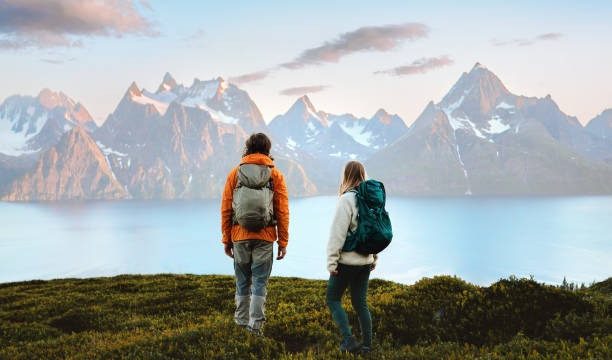
Our relationship with geography is also deeply intertwined with our sense of place and identity. The landscapes we inhabit influence our culture, traditions, and even our well-being. Mountains, rivers, and forests are not merely backdrops; they are integral to our stories. The connections we forge with our environment can foster a sense of belonging and purpose.
As we explore these connections, it becomes apparent that engaging with nature can have profound effects on our mental and emotional health. Studies have shown that spending time outdoors can reduce stress, improve mood, and enhance cognitive function. This understanding encourages us to seek out green spaces, whether in our local parks or through nature retreats.
As we embrace the healing power of nature, we also reinforce our commitment to protecting it. By participating in local conservation efforts, planting trees, or simply advocating for greener policies, we can contribute to a healthier planet. Our actions, no matter how small, can create ripples of change that extend far beyond our immediate surroundings.
A path toward sustainability
The journey toward a sustainable future is not without its challenges, but it is a path worth pursuing. As individuals, we can make choices that reflect our values, such as reducing our carbon footprint, supporting local businesses, and advocating for policies that prioritize the environment.
The beauty of this journey lies in its inclusivity. Everyone can contribute in their own way, whether through lifestyle changes, community involvement, or simply raising awareness. Each step taken is a testament to our collective commitment to ensuring that future generations inherit a world that is vibrant and thriving.
As we navigate the complexities of human impact on geography, it is essential to cultivate a mindset of stewardship. By recognizing the interconnectedness of all living things, we can foster a sense of responsibility toward our planet. This perspective encourages us to cherish the places we call home and to advocate for their well-being.
In conclusion, the relationship between humanity and geography is a tapestry woven from our actions, beliefs, and aspirations. As we reflect on our impact, let us embrace the opportunity to create a more harmonious existence with the world around us. Through mindful choices and a commitment to sustainability, we can honor the beauty of our planet while ensuring its preservation for generations to come. The journey may be long, but together, we can navigate the path toward a balanced and thriving future.