Learning About Geographical Features
In our fast-paced world, it’s easy to overlook the beauty and significance of the natural landscape that surrounds us.
Yet, taking a moment to learn about geographical features can deepen our appreciation for the earth and enhance our connection to it.
Whether it’s the majestic mountains that frame a skyline or the gentle rivers that wind through valleys, each geographical feature tells a story. This exploration can be both enriching and calming, inviting us to find balance in our lives as we connect with the world around us.
Understanding the Basics
Geographical features can be broadly categorized into landforms and bodies of water. Landforms include mountains, hills, plateaus, valleys, and plains, while bodies of water encompass rivers, lakes, seas, and oceans. Each of these elements plays a crucial role in shaping the environment and influencing climate patterns. Learning about these features can enhance our understanding of ecosystems, biodiversity, and even human history.
Mountains, for instance, not only serve as stunning backdrops but also influence weather patterns. The rain shadow effect, where one side of a mountain range receives abundant rainfall while the other remains dry, is a fascinating phenomenon. This can lead to diverse ecosystems on either side of the mountains, showcasing nature’s ability to adapt and thrive in varying conditions.
A gentle exploration of rivers reveals their importance as lifelines for communities. Rivers have historically served as travel routes, sources of irrigation, and centers for trade. They shape the land through erosion and sediment deposition, creating fertile plains that support agriculture. Understanding these dynamics helps us appreciate the delicate balance between human activity and the natural world.
Finding Connection
As we delve into geographical features, we may find ourselves more attuned to our surroundings. Taking a quiet walk in a local park, for example, can reveal the subtle beauty of the landscape. Observing the gentle slopes of hills or the meandering path of a stream can foster a sense of peace. Nature has a remarkable way of grounding us, reminding us of the larger world we are a part of.
In addition to physical landscapes, geographical features can also influence cultural practices and traditions. Many communities have developed customs that honor the mountains, rivers, and valleys that define their home. Learning about these traditions can enrich our understanding of different cultures and foster a sense of global connection. It’s a beautiful reminder that while we may come from different backgrounds, we all share this planet and its wonders.
A small shift toward balance can come from engaging with nature. Whether through hiking, gardening, or simply spending time outdoors, our interactions with geographical features can promote mindfulness. As we breathe in the fresh air and observe the changing seasons, we find ourselves more present and appreciative of the world around us. This connection can inspire us to care for our environment and advocate for its preservation.
Exploring the World
For those with a sense of adventure, exploring geographical features can lead to unforgettable experiences. Traveling to national parks or natural reserves offers a chance to witness breathtaking landscapes firsthand. The vibrant colors of a sunset over a mountain range or the serene stillness of a lake at dawn can leave a lasting impression. These moments remind us of the beauty and diversity of our planet.
Every corner of the earth has its unique geographical features waiting to be discovered. From the towering peaks of the Himalayas to the rolling dunes of the Sahara, each location offers a different perspective on nature’s artistry. Engaging with these environments can inspire a sense of wonder and curiosity, encouraging us to learn more about the earth’s processes and the life it supports.
As we travel, we may also encounter the stories and histories tied to these landscapes. Many geographical features have been revered for centuries, serving as landmarks of cultural significance. Learning about the folklore and traditions associated with these places adds depth to our travels and connects us to the people who have lived alongside these features for generations.
The Role of Education
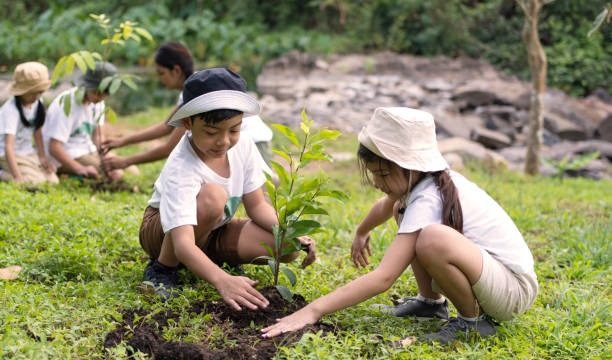
Education plays a vital role in fostering appreciation for geographical features. Schools and community programs often incorporate lessons about the earth’s landscapes, helping to instill a sense of wonder in young minds. By teaching children about the importance of mountains, rivers, and ecosystems, we nurture a generation that values and respects the natural world.
For adults, engaging with geography can be a lifelong journey of discovery. Whether through reading books, attending lectures, or participating in workshops, there are countless opportunities to deepen our understanding. Online resources and documentaries also provide accessible ways to learn about different geographical features and their significance.
As we expand our knowledge, we may also find ourselves more inclined to engage with environmental initiatives. Understanding the challenges facing our planet, such as climate change and habitat loss, can inspire us to take action. Supporting conservation efforts and advocating for sustainable practices can help protect the geographical features we cherish for future generations.
A Personal Journey
Ultimately, learning about geographical features can be a deeply personal journey. Each of us has our unique experiences and connections to the land. Perhaps a childhood visit to a national park ignited a passion for nature, or a hike through a local forest brought a sense of calm during a challenging time. Embracing these moments can guide us toward a greater appreciation for the earth.
As we continue to explore and learn, we may find ourselves more connected to our own sense of place. Understanding the geographical features that define our surroundings can foster a sense of belonging and community. It’s a gentle reminder that we are all part of a larger story, woven together by the landscapes we inhabit.
In conclusion, learning about geographical features is not just an academic pursuit; it is an invitation to connect with the world around us. By taking the time to explore and appreciate the mountains, rivers, and valleys that shape our environment, we cultivate a deeper understanding of our planet and our place within it. This journey can bring balance and harmony to our lives, encouraging us to cherish the beauty of nature and advocate for its preservation.