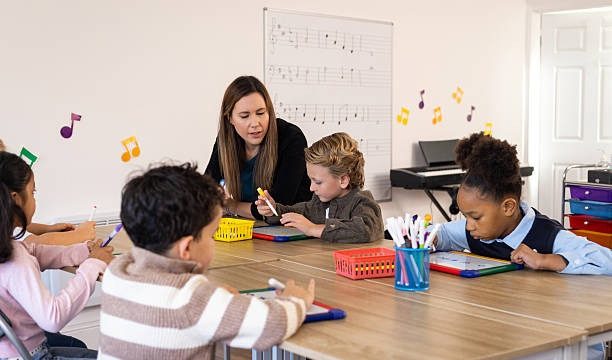
Creating an environment where students feel encouraged to participate is essential for fostering a love of learning and a sense of community.
When students engage actively in their education, they not only absorb knowledge more effectively but also develop essential skills such as critical thinking, teamwork, and communication.
So, how can educators and parents cultivate this spirit of participation in a meaningful way? Here are some thoughtful strategies that can make a difference.
A gentle invitation to share
One of the most effective ways to encourage student participation is by creating an atmosphere where sharing is welcomed and valued. This begins with teachers and mentors offering open invitations for students to express their thoughts and ideas. Simple phrases like “I’d love to hear your perspective” or “What do you think about this?” can go a long way in making students feel that their contributions are important.
Additionally, it is crucial to practice active listening. When students see that their voices matter, they are more likely to engage. Acknowledging their contributions, whether through verbal affirmations or follow-up questions, reinforces their willingness to participate. This gentle encouragement can foster a safe space where students feel comfortable stepping out of their shells.
Cultivating a sense of community
Building a sense of belonging is fundamental to encouraging participation. When students feel like they are part of a community, they are more likely to engage with their peers and the learning process. Creating small groups for discussions or projects can help students connect with each other on a personal level. These small settings often make it easier for quieter students to share their thoughts without the pressure of speaking in front of a large group.
Moreover, incorporating team-building activities can enhance relationships among students. Activities that promote collaboration and trust can break down barriers and create a supportive environment. Whether through icebreakers or collaborative projects, these shared experiences can strengthen bonds and encourage students to participate more actively in class discussions.
Embracing varied learning styles
Recognizing that each student has a unique way of learning is crucial in promoting participation. Some students may thrive in traditional lecture formats, while others may prefer hands-on activities or visual aids. By embracing a variety of teaching methods, educators can cater to different learning styles, making it easier for all students to engage.
For instance, incorporating multimedia resources, such as videos or interactive presentations, can capture students’ attention and encourage participation. Additionally, allowing students to express their understanding through different formats—such as art, presentations, or written reflections—can empower them to contribute in ways that resonate with their strengths.
Creating opportunities for leadership
Encouraging students to take on leadership roles can significantly enhance their participation. When students are given responsibilities, such as leading a discussion or facilitating a group project, they often feel a sense of ownership over their learning. This not only boosts their confidence but also fosters a deeper connection to the material.
Teachers can provide various leadership opportunities, from classroom roles to involvement in school clubs or community projects. These experiences can help students develop their leadership skills while simultaneously encouraging them to participate more actively in their education.
Fostering a growth mindset
Encouraging a growth mindset within the classroom can have a profound impact on student participation. When students believe that their abilities can improve with effort and practice, they are more likely to take risks and engage in their learning. Educators can promote this mindset by celebrating effort and resilience rather than just achievement.
Sharing stories of perseverance and growth can inspire students to embrace challenges rather than shy away from them. Additionally, providing constructive feedback that focuses on improvement rather than just grades can help students see participation as a valuable part of their learning journey.
Encouraging questions and curiosity
A classroom that values curiosity is one where participation flourishes. Encouraging students to ask questions not only helps them engage with the material but also sparks meaningful discussions. Teachers can create a culture of inquiry by modeling curiosity themselves—asking open-ended questions and inviting students to explore topics in depth.
Moreover, allowing time for questions and discussions during lessons can create a more interactive environment. When students feel they can inquire and explore ideas freely, they are more likely to participate actively.
Recognizing and celebrating contributions
Taking the time to recognize and celebrate student contributions can have a lasting impact on their willingness to participate. Acknowledgment can come in various forms, from verbal praise to showcasing student work. When students see that their efforts are appreciated, they are more likely to engage in the future.
Incorporating reflective practices, such as sharing what students enjoyed or learned during a lesson, can also be beneficial. This not only reinforces their participation but also encourages them to think critically about their learning experiences.
Creating a safe space for mistakes
Understanding that mistakes are a natural part of the learning process can help students feel more comfortable participating. When educators create a safe space where errors are seen as opportunities for growth, students are less likely to fear judgment.
Encouraging a culture of experimentation can lead to more vibrant discussions and active participation. Students are more willing to share their thoughts and ideas when they know that their contributions are valued, regardless of whether they are perfect.
In conclusion, fostering student participation is a multifaceted endeavor that requires patience, understanding, and creativity. By creating an inviting atmosphere, building community, embracing diverse learning styles, and recognizing contributions, educators and parents can cultivate a nurturing environment that encourages students to engage fully in their education. With these strategies in place, the classroom can become a vibrant space where every voice is heard, valued, and celebrated.