Education is often seen as a pathway to knowledge, a structured process designed to impart skills and information.
However, there’s a deeper, more nuanced aspect to education that often goes unnoticed: its power to foster innovation and creativity.
This connection is vital in today’s rapidly changing world, where the ability to think outside the box is more important than ever.
As we delve into this topic, it’s essential to recognize that education is not merely about rote memorization or standardized testing. Rather, it is a dynamic environment where ideas can flourish, and young minds can be inspired to explore the uncharted territories of their imagination. The interplay between education and creativity is a dance of encouragement, experimentation, and exploration, creating a rich tapestry of opportunities for students of all ages.
A nurturing environment for ideas
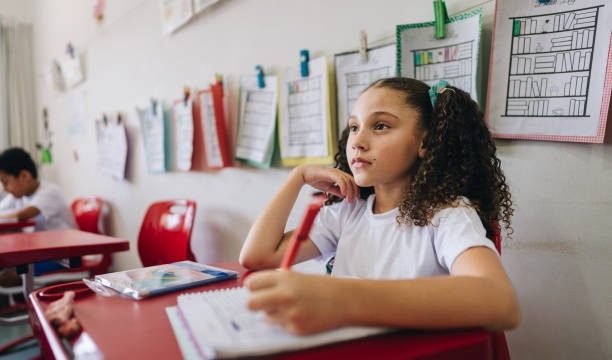
At its core, education provides a nurturing environment where ideas can take root. Classrooms that encourage open dialogue and exploration allow students to share their thoughts without fear of judgment. This sense of safety is crucial; when students feel free to express themselves, they are more likely to engage in creative thinking. Teachers who foster this kind of environment play a pivotal role, guiding students not just to find the right answers but to ask the right questions.
Curiosity is a natural part of being human, and education can either stifle or ignite this curiosity. When students are encouraged to ask “why” and “how,” they begin to see the world through a lens of possibility. This shift in perspective is essential for innovation. An inquisitive mind is a fertile ground for creativity, leading to new ideas and solutions that can change the world.
The role of collaboration
Collaboration is another powerful aspect of education that enhances creativity. In many educational settings, students are encouraged to work together on projects, share their insights, and learn from one another. This collaborative approach not only helps them develop social skills but also exposes them to diverse perspectives. Each student brings their unique experiences and ideas to the table, creating a melting pot of creativity.
When students collaborate, they learn to value different viewpoints, which can lead to innovative thinking. For instance, a group project in a science class may ignite a discussion about sustainable practices, leading to creative solutions that none of the students might have thought of individually. This synergy of minds fosters an atmosphere where imagination can flourish, giving rise to new inventions, artistic expressions, and problem-solving strategies.
Encouraging risk-taking
One of the most significant barriers to creativity is the fear of failure. In traditional educational systems, the emphasis on grades and performance can create a culture of perfectionism. However, education that embraces innovation recognizes that mistakes are often the stepping stones to success. Encouraging students to take risks and embrace failure as part of the learning process can lead to remarkable breakthroughs.
When students are taught that it’s okay to fail, they become more willing to explore unconventional ideas. This mindset shift is critical. It allows them to experiment, iterate, and refine their thoughts until they arrive at something truly innovative. Whether it’s a science experiment that doesn’t go as planned or an art project that evolves over time, these experiences teach resilience and adaptability—key components of creativity.
Incorporating the arts
The integration of the arts into educational curricula is another powerful way to foster creativity. Art, music, theater, and creative writing encourage students to express themselves in diverse ways. These subjects not only stimulate the imagination but also promote critical thinking and problem-solving skills. When students engage with the arts, they learn to see the world through different lenses, enhancing their ability to think creatively.
Moreover, the arts provide a platform for emotional expression, which can be incredibly beneficial for mental well-being. Students who engage in creative activities often report feeling more relaxed and fulfilled. This emotional connection to their work can lead to deeper engagement and a more profound exploration of their ideas, ultimately leading to innovative outcomes.
Lifelong learning and curiosity
Education doesn’t end with a diploma; it’s a lifelong journey that encourages continuous learning and growth. In a world that is constantly evolving, the ability to adapt and innovate is paramount. Education instills a love for learning that extends beyond the classroom. When individuals are encouraged to pursue their interests and explore new fields, they often discover unexpected passions that can lead to innovative ideas.
This spirit of lifelong learning is crucial in fostering creativity. As individuals seek knowledge in various domains, they draw connections between seemingly unrelated concepts, leading to innovative solutions and creative breakthroughs. The more diverse one’s experiences and knowledge, the more tools they have at their disposal to think creatively.
Creating a culture of innovation
Ultimately, education has the power to create a culture of innovation within society. When we prioritize creativity in our educational systems, we equip future generations with the skills they need to tackle complex challenges. This cultural shift begins with educators, parents, and communities recognizing the value of creativity and innovation as essential components of a well-rounded education.
As we move forward, it’s essential to support educational initiatives that emphasize creativity and innovation. This can take many forms, from integrating more hands-on learning experiences to fostering partnerships between schools and local businesses. By working together, we can create an educational landscape that nurtures the next generation of thinkers, dreamers, and innovators.
In conclusion, education is more than just a means to an end; it is a powerful catalyst for innovation and creativity. By fostering a nurturing environment, encouraging collaboration, embracing risk-taking, incorporating the arts, and promoting lifelong learning, we can unlock the full potential of students everywhere. As we continue to evolve in our understanding of education, let’s remember that the greatest innovations often come from the most creative minds, nurtured in an environment that encourages exploration and imagination.