Understanding the diverse learning styles of students is essential for creating a nurturing and effective educational environment.
Each student is unique, bringing their own strengths, preferences, and challenges to the classroom.
By recognizing and adapting to these varied styles, teachers can foster a more engaging and supportive learning experience.
Here, we explore some gentle strategies for teaching students with diverse learning preferences, helping to cultivate an atmosphere where every learner can thrive.
A small shift toward balance
At the heart of effective teaching lies the ability to adapt. Acknowledging that students learn differently is the first step in creating a balanced classroom. Some may be visual learners, absorbing information through images and diagrams, while others might prefer auditory methods, thriving on discussions and lectures. Kinesthetic learners often engage best through hands-on activities, while some students may excel in reading and writing tasks. Embracing this diversity allows educators to tailor their approaches, ensuring that every student has a chance to shine.
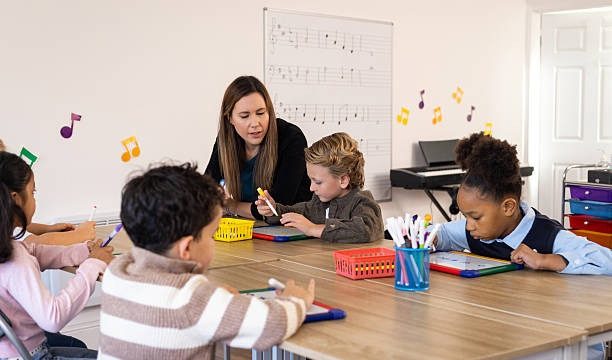
Incorporating varied instructional methods is a powerful way to reach all types of learners. Consider integrating visual aids, such as charts or videos, alongside auditory components like storytelling or music. Kinesthetic activities, such as role-playing or building models, can energize the classroom, while reading assignments can provide depth and context. By weaving together these different elements, you create a rich tapestry of learning that resonates with each student’s individual style.
Creating a welcoming environment
A supportive classroom environment is crucial for encouraging students to express their learning preferences. When students feel safe and valued, they are more likely to engage and participate in their education. Establishing a culture of respect and understanding helps students recognize that their unique learning styles are not just accepted but celebrated.
Encouraging open communication can also promote a sense of belonging. Invite students to share their preferences and experiences, fostering a dialogue that helps everyone understand one another better. This understanding can lead to collaborative projects where students can work together, combining their strengths to achieve common goals. Such teamwork not only enhances learning but also builds important social skills that will benefit students well beyond the classroom.
Nurturing creativity and exploration
Creativity often flourishes when students are given the opportunity to explore their interests. Providing choices in assignments allows students to engage with material in ways that resonate with them. For instance, a history lesson could offer options such as creating a video, writing a story, or designing a poster. This flexibility encourages students to connect with the subject matter on a personal level, deepening their understanding and retention.
Encouraging exploration also means allowing students to pursue topics that ignite their passion. When students are excited about what they’re learning, they are more likely to invest time and energy into their studies. Incorporating project-based learning can be an effective way to stimulate curiosity. By allowing students to investigate real-world problems or questions, you foster critical thinking and independent learning skills.
Fostering collaboration
Collaboration can serve as a bridge connecting different learning styles. Group work encourages students to share their unique perspectives and talents, creating a richer learning experience for everyone involved. By assigning roles based on individual strengths, you can help students learn from one another while also developing their own skills.
Additionally, peer teaching can be a powerful tool. When students explain concepts to one another, they reinforce their own understanding while also catering to different learning styles. This approach not only enhances comprehension but also builds confidence and communication skills. As students engage in collaborative learning, they develop a sense of community that nurtures empathy and support.
Embracing technology
In today’s digital age, technology can play a significant role in addressing diverse learning styles. Educational apps and online resources offer a variety of interactive tools that cater to different preferences. Visual learners may benefit from video tutorials, while auditory learners can explore podcasts or audiobooks. Kinesthetic learners might engage with simulations or gamified learning experiences.
By incorporating technology thoughtfully, educators can provide a personalized learning experience that resonates with each student. Furthermore, technology can help students access resources that align with their interests, promoting self-directed learning. As students explore digital platforms, they also develop essential skills that will serve them well in an increasingly tech-driven world.
Encouraging self-reflection and growth
Teaching students to be aware of their own learning styles fosters a sense of agency and responsibility in their education. Encouraging self-reflection can help students identify what strategies work best for them and how they can advocate for their own learning needs. This practice not only empowers students but also equips them with valuable skills for lifelong learning.
Incorporating regular reflection activities, such as journals or group discussions, allows students to process their experiences and articulate their preferences. This practice can lead to greater self-awareness and a better understanding of how to approach future learning challenges. As students become more attuned to their own styles, they are better equipped to navigate their educational journeys with confidence.
Cultivating a lifelong love for learning
Ultimately, the goal of education is to inspire a love for learning that lasts a lifetime. By embracing diverse learning styles and creating a supportive environment, educators can nurture curiosity and enthusiasm in their students. When students feel valued and understood, they are more likely to develop a positive relationship with learning, carrying that passion with them into the future.
As we strive to meet the needs of all learners, let us remember that education is not a one-size-fits-all endeavor. By celebrating the unique qualities that each student brings to the classroom, we can create a vibrant community where everyone has the opportunity to flourish. Together, we can build a world of learners who are not only knowledgeable but also compassionate, creative, and eager to explore the wonders that life has to offer.