In today’s fast-paced world, education often leans heavily towards traditional academic subjects, leaving the arts somewhat sidelined.
However, integrating arts into education is not merely an act of fostering creativity; it’s a holistic approach that nurtures well-rounded individuals.
The benefits of this integration extend beyond the classroom and into the very fabric of society.
A gentle reminder of the joy of creativity
From the first scribbles on a page to the intricate performances of a school play, art has a unique ability to engage students in ways that traditional subjects may not. When children are encouraged to express themselves through various artistic mediums—be it painting, music, dance, or drama—they often find joy in learning. This joy is essential. It cultivates a love for school and enhances motivation, making students more eager to participate in their education.
Artistic activities allow for exploration and experimentation. They encourage students to think outside the box, fostering a mindset that values curiosity and innovation. When students engage with the arts, they learn that it’s okay to make mistakes and that every misstep can lead to a new discovery. This shift in perspective is invaluable, as it nurtures resilience—an essential trait for navigating both academic challenges and life’s hurdles.
Building connections through collaboration
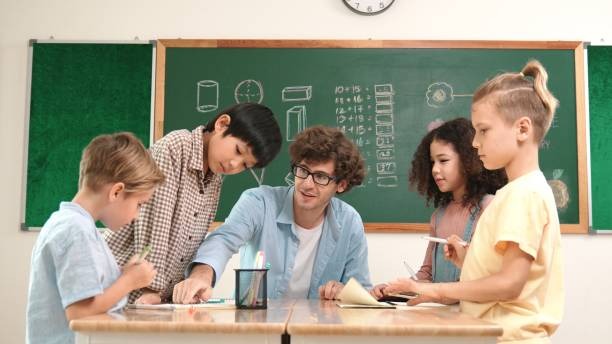
Integrating arts into education also promotes collaboration. Group projects in music, theater, or visual arts require students to work together, share ideas, and communicate effectively. These experiences teach vital social skills that are often overlooked in traditional academic settings. When students collaborate on an artistic endeavor, they learn to appreciate diverse perspectives, fostering empathy and understanding among peers.
Moreover, these collaborative efforts can create a sense of community within the classroom. Students who might struggle with more conventional subjects often find their niche in artistic projects, leading to newfound friendships and support networks. This sense of belonging can significantly enhance a student’s overall educational experience.
Enhancing cognitive skills through creativity
The integration of arts into education offers cognitive benefits that can enhance academic performance in other subjects. Engaging in artistic activities stimulates different areas of the brain, promoting critical thinking and problem-solving skills. For instance, learning to play a musical instrument involves understanding complex patterns and rhythms, which can translate to improved mathematical abilities. Similarly, visual arts require students to analyze and interpret visual information, enhancing their observational skills and attention to detail.
Research suggests that students who participate in the arts often perform better academically. The creative process encourages a deeper understanding of concepts, as students learn to apply their knowledge in innovative ways. This crossover effect highlights the importance of viewing education as an interconnected web of disciplines rather than isolated subjects.
A holistic approach to emotional well-being
The benefits of integrating arts into education extend to emotional well-being as well. Artistic expression provides students with a vital outlet for their feelings, allowing them to process their emotions in a constructive manner. Whether it’s through painting, writing, or performing, the arts can be a therapeutic avenue for self-expression, helping students cope with stress, anxiety, or other challenges they may face.
Moreover, the arts instill confidence in students. As they create and share their work, they experience a sense of accomplishment. This boosts self-esteem and encourages a positive self-image, which is crucial during the formative years of childhood and adolescence. The ability to express oneself creatively can lead to a greater sense of identity and purpose.
Cultivating a lifelong appreciation for the arts
When arts education is integrated into the curriculum, it nurtures a lifelong appreciation for creativity and culture. Students exposed to the arts are more likely to seek out creative experiences throughout their lives, whether that means attending concerts, visiting art galleries, or even dabbling in creative hobbies themselves. This appreciation enriches their lives and contributes to a more vibrant, culturally aware society.
Furthermore, fostering an appreciation for the arts encourages critical thinking about the world around us. Students learn to analyze and interpret various forms of artistic expression, developing a deeper understanding of cultural history and human experience. This cultural literacy is essential in today’s global society, where understanding diverse perspectives is of utmost importance.
A small shift toward balance
Integrating arts into education is not just about enhancing creativity; it’s about creating a balanced educational experience that nurtures the whole person. As we shift toward a more holistic approach to education, it’s essential to recognize the role that the arts play in developing well-rounded individuals.
Schools that embrace arts integration often find that their students are not only more engaged but also more equipped to face the complexities of the world. The skills learned through artistic endeavors—collaboration, critical thinking, emotional intelligence—are invaluable in both personal and professional realms.
As educators, parents, and community members, it is vital to advocate for the inclusion of arts in educational curricula. By doing so, we are not just supporting the next generation of artists; we are cultivating compassionate, innovative thinkers who will contribute positively to society.
In conclusion, the benefits of integrating arts into education are profound and far-reaching. From fostering creativity and collaboration to enhancing cognitive and emotional development, the arts play a crucial role in shaping well-rounded individuals. As we continue to explore the various avenues of education, let’s remember the importance of nurturing creativity and expression, allowing every student to flourish in their unique way. Embracing the arts in education is not just a choice; it’s an investment in our future.