In the ever-evolving landscape of education, teachers are constantly seeking innovative ways to engage their students while promoting effective learning.
One delightful shift in this journey is the growing embrace of reusable teaching tools.
These versatile resources not only reduce waste but also foster creativity and adaptability across all grade levels.
Whether you are a seasoned educator or a parent assisting with home learning, integrating reusable teaching tools into your toolkit can transform the classroom experience into something truly special.
A gentle introduction to reusable teaching tools
Reusable teaching tools serve as a bridge, connecting students to knowledge in an interactive and sustainable way. These tools can take on various forms, from physical items like whiteboards and manipulatives to digital resources that invite exploration and creativity. The beauty of these tools lies in their ability to grow with the learner, adapting to different subjects and age groups while providing endless opportunities for discovery.
Cultivating creativity with manipulatives
For younger students, particularly in early childhood and elementary grades, manipulatives can be a game-changer. Items such as building blocks, counting cubes, and pattern tiles encourage hands-on engagement with mathematical concepts. These tactile experiences help children understand abstract ideas in a concrete way, making learning both enjoyable and effective.
As students progress to higher grades, the same manipulatives can evolve into tools for more complex concepts. For instance, blocks can illustrate basic geometry in elementary school and later serve as a foundation for exploring architectural principles in middle school. This continuity not only solidifies foundational knowledge but also nurtures a sense of curiosity and innovation.
Exploring the world with visual aids
Visual aids are another category of reusable teaching tools that can enhance learning across all grades. Charts, maps, and posters can be used to illustrate various subjects, from geography to science. These resources can be created with simple materials, allowing teachers and students to collaborate in their design.
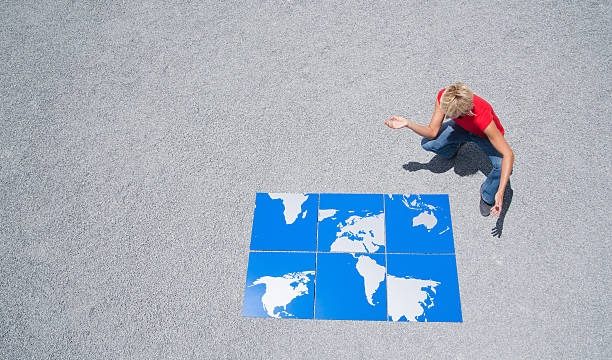
In the classroom, a world map can be a focal point for discussions on different cultures, geography, or even history. Students can add to it as they learn about new countries or historical events, creating a living document that reflects their growing knowledge. When these visual aids are reused and adapted, they become a canvas for exploration, inviting students to engage with the material in a more personal way.
Fostering collaboration with whiteboards
The classic whiteboard is a timeless reusable teaching tool that transcends grade levels. From kindergarten to high school, whiteboards facilitate collaboration, brainstorming, and problem-solving. Teachers can use them for quick assessments, while students can express their ideas and solutions in a dynamic, interactive environment.
In group settings, whiteboards encourage teamwork and communication. Students can work together to solve problems or create presentations, fostering a sense of community and shared learning. The ability to write, erase, and rewrite allows for trial and error, an essential part of the learning process. This fluidity can help students feel more comfortable expressing themselves and taking risks in their learning.
Embracing technology for interactive learning
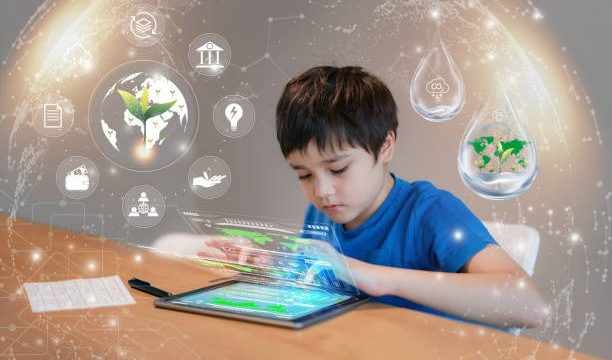
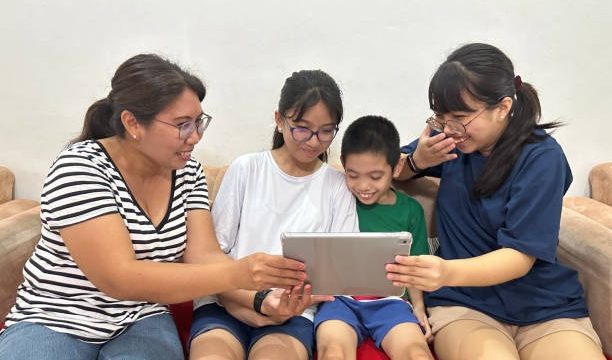
In our digital age, technology offers a myriad of reusable teaching tools that can enhance the learning experience. Interactive platforms and educational apps can be tailored to different subjects and grade levels, providing students with engaging ways to practice skills and explore new concepts.
These tools often come with the added benefit of being adaptable. A single educational app can offer activities for various age groups, allowing educators to meet the diverse needs of their students. Furthermore, technology can facilitate a blended learning approach, combining traditional methods with digital resources, making education more accessible and enjoyable.
The power of storytelling through reusable resources
Storytelling is a powerful educational tool that transcends age and subject matter. Reusable teaching tools such as storyboards, puppets, and props can bring narratives to life, inviting students to engage with literature and concepts in a more profound way.
In younger grades, puppets can transform a simple story into an interactive experience, allowing children to explore characters and themes while developing their own narratives. As students advance, storyboards can be used to map out complex plots, encouraging critical thinking and creativity. The versatility of storytelling tools ensures that they remain relevant and engaging, regardless of the grade level.
Creating a nurturing environment with flexible seating
A classroom’s physical environment plays a crucial role in fostering learning. Flexible seating options, such as bean bags, floor cushions, and standing desks, can be considered reusable teaching tools that promote comfort and engagement. They allow students to choose how they learn best, encouraging a sense of ownership and agency in their education.
This approach can be particularly effective in accommodating different learning styles and needs. A student who thrives in a quiet corner may perform better than one confined to a traditional desk. By creating a space that feels welcoming and adaptable, educators can enhance focus and motivation, paving the way for a more enriching learning experience.
Inspiring a culture of sustainability
Incorporating reusable teaching tools into the classroom not only benefits students but also fosters a culture of sustainability. By choosing resources that can be reused, educators and students alike contribute to reducing waste and promoting eco-friendly practices. This awareness can be integrated into lessons, teaching students about the importance of sustainability in their everyday lives.
As students learn about environmental stewardship, they become more engaged citizens, equipped to make responsible choices in the future. The simple act of using reusable tools can spark discussions about the environment, encouraging critical thinking and a sense of responsibility.
A journey of discovery
Ultimately, the integration of reusable teaching tools in the classroom is more than just a practical choice; it’s a journey of discovery for both educators and students. These tools create opportunities for exploration, collaboration, and creativity, enriching the educational experience in profound ways.
As we continue to navigate the complexities of modern education, embracing reusable teaching tools allows us to cultivate a more engaging and sustainable learning environment. By fostering curiosity and adaptability, we can inspire the next generation to become lifelong learners, ready to explore the world with open minds and hearts.