In today’s diverse educational landscape, it’s essential to recognize that every student brings a unique set of learning preferences and strengths to the classroom.
Understanding and supporting different learning styles can create a more inclusive environment where all students can thrive.
Let’s explore some gentle strategies that educators and caregivers can adopt to nurture these varied learning styles.
A gentle approach to understanding learning styles begins with observation. Each child has their own way of absorbing information, whether they are visual, auditory, kinesthetic, or a combination of these. By paying attention to how students engage with material, educators can gain valuable insights into their preferences. For instance, some students may light up at the sight of colorful diagrams or videos, while others might resonate more with group discussions or hands-on activities. Taking the time to notice these cues can set the stage for a more tailored educational experience.
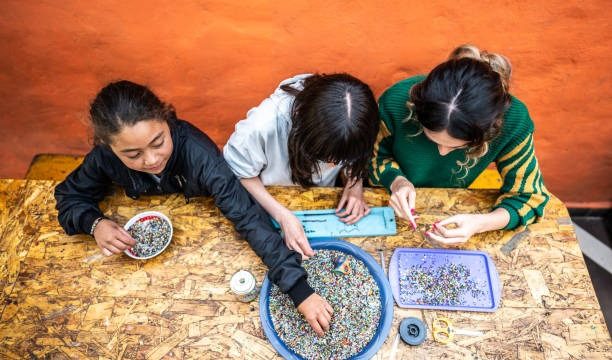
Creating a multi-sensory learning environment can be a wonderful way to cater to different learning styles. Incorporating a variety of materials and activities can help engage all students. For visual learners, using charts, infographics, and videos can make concepts more accessible and enjoyable. On the other hand, auditory learners often benefit from discussions, podcasts, or even music that relates to the subject matter. Kinesthetic learners thrive when they can move and manipulate objects, so including hands-on projects or experiments fosters their engagement and understanding.
Incorporating technology thoughtfully can also enhance learning for students with different styles. Many educational tools and platforms offer interactive elements that appeal to various preferences. For instance, educational apps often combine visuals, sounds, and interactive tasks, making learning a more dynamic experience. Allowing students to choose how they want to engage with technology can empower them and foster a sense of ownership over their learning journey.
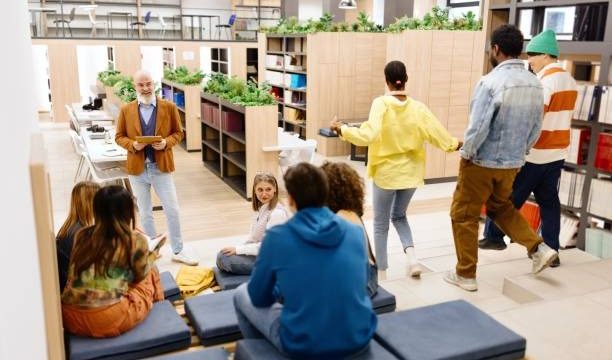
Collaboration can serve as another powerful strategy to support diverse learning styles. Group work encourages students to share their strengths and learn from one another. A visual learner might take the lead on creating a presentation, while an auditory learner facilitates the discussion, and a kinesthetic learner manages the practical aspects of a project. This collaborative environment not only enriches the learning experience but also teaches valuable social skills and teamwork.
A small shift toward balance in teaching methods can also yield significant benefits. While it’s important to cater to individual learning styles, it’s equally vital to expose students to a variety of approaches. This not only helps students become more adaptable but also encourages them to discover new ways of learning. For example, integrating storytelling into lessons can captivate visual and auditory learners alike while providing context for kinesthetic activities that follow. By blending different methods, educators can create a more holistic learning experience.
Encouraging self-directed learning is an empowering strategy that supports students across the spectrum of learning styles. By allowing students to set their own goals and explore subjects that intrigue them, they can take charge of their education. This autonomy fosters motivation and can lead to deeper engagement. Offering choices in assignments or projects, such as allowing students to present their findings in a format of their choice—be it a video, a written report, or a model—can cater to their individual preferences while enhancing their creativity.
Feedback plays a crucial role in supporting students with different learning styles. Providing constructive and personalized feedback helps students understand their progress and areas for improvement. It’s important to approach feedback with kindness and encouragement, reinforcing their strengths while gently guiding them toward growth. This nurturing approach can build confidence and resilience, helping students feel valued and understood.
Creating a supportive classroom culture is essential for all students to flourish. Fostering an environment where mistakes are seen as opportunities for growth can encourage risk-taking in learning. When students feel safe to express themselves and explore different strategies, they are more likely to engage fully with the material. Incorporating regular check-ins or mindfulness practices can also help students feel grounded and connected, enhancing their overall learning experience.
Involving parents and caregivers in the learning process can further enrich the educational experience. Open communication about a child’s learning style and preferences can create a supportive home environment that reinforces classroom strategies. Sharing resources and strategies for at-home learning can empower parents to play an active role in their child’s education. This partnership can be especially beneficial for students who may need additional support in specific areas.
As we navigate the complexities of education, it’s essential to recognize that flexibility and adaptability are key. Embracing a student-centered approach that honors individual learning styles not only enhances academic success but also fosters a love for learning that can last a lifetime. By incorporating these gentle strategies, educators and caregivers can create an enriching environment that celebrates diversity and nurtures each student’s unique journey.
In conclusion, supporting students with different learning styles is a journey that requires patience, empathy, and a willingness to adapt. By observing, engaging, and collaborating, we can create a more inclusive educational experience that honors the unique strengths of every learner. As we continue to explore and understand the many ways in which students learn, we can cultivate a generation of confident, curious, and capable individuals ready to embrace the world around them.