In our fast-paced world, the way we learn and understand complex concepts often requires an element of creativity.
Traditional methods of education, while foundational, sometimes fall short in engaging the mind fully.
This is where simulations come into play, offering an innovative approach to enhance our understanding of various subjects, from science and engineering to social dynamics and personal development.
The beauty of simulations lies in their ability to create a safe space for exploration. Imagine stepping into a virtual environment where you can experiment, fail, and try again without real-world consequences. Whether it’s simulating a chemical reaction in a lab or navigating the complexities of human behavior in a social setting, these experiences provide a hands-on understanding that textbooks alone cannot offer.
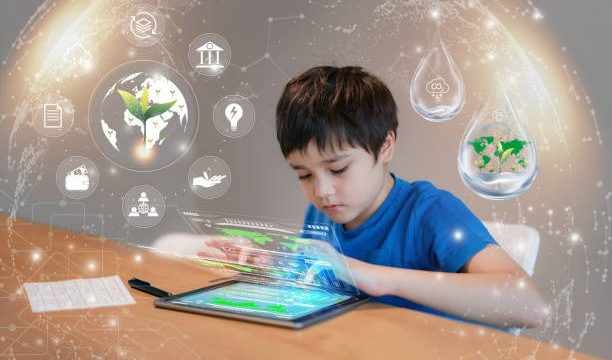
A gentle introduction to this concept can be found in the realm of education. Many educators are beginning to recognize the importance of interactive learning tools. By incorporating simulations into their lesson plans, teachers can facilitate a deeper connection between students and the material. For instance, a biology class might use a simulation to model ecosystems, allowing students to manipulate variables and observe the outcomes. This active engagement fosters curiosity and encourages students to ask questions, leading to a more profound understanding of the subject matter.
Beyond the classroom, simulations are becoming increasingly popular in professional training. Many industries, such as aviation and healthcare, rely on simulations to prepare individuals for real-life scenarios. Pilots train in flight simulators that replicate the experience of flying, while medical professionals practice procedures in virtual environments. This method not only builds skills but also instills confidence, as trainees can refine their abilities in a controlled setting.
In everyday life, simulations can also serve as valuable tools for personal growth. Consider the scenario of someone looking to improve their public speaking skills. By participating in a virtual simulation that mimics a speaking engagement, individuals can practice their delivery, receive feedback, and adjust their approach. This immersive experience can reduce anxiety and enhance performance, ultimately leading to greater success in real-world situations.
The power of simulations extends to decision-making processes as well. When faced with complex choices, simulations can help individuals visualize potential outcomes. For instance, a business professional might use a simulation to model the financial implications of a new project. By adjusting different variables, they can see how changes might impact the bottom line, allowing for more informed decision-making.
As we explore the benefits of simulations, it’s important to acknowledge the role of technology in this evolution. With advancements in virtual reality (VR) and augmented reality (AR), the possibilities for immersive experiences are expanding. These technologies create environments that feel incredibly real, enhancing the sense of presence and engagement. Imagine walking through a historical site or experiencing a scientific phenomenon in a way that feels tangible and immediate. Such experiences can ignite a passion for learning and inspire individuals to delve deeper into their interests.
However, it’s crucial to approach simulations with a balanced mindset. While they offer numerous advantages, they should complement rather than replace traditional learning methods. The richness of human interaction, discussion, and reflection still plays a vital role in the learning process. Simulations can be a powerful addition, but they work best when integrated thoughtfully into a broader educational framework.
As we consider the implications of simulations in our lives, it’s worth reflecting on how we can incorporate them into our personal journeys. Perhaps you’re curious about a new hobby or skill you’ve always wanted to explore. Many platforms offer simulation-based learning experiences that can guide you through the initial stages. Whether it’s cooking, coding, or even gardening, these interactive tools can help you gain confidence and knowledge in a supportive environment.
It’s also important to recognize the emotional aspect of learning through simulations. Engaging in these experiences can elicit a range of feelings, from excitement to frustration, and everything in between. Acknowledging these emotions can lead to a more profound understanding of oneself. As we navigate challenges and celebrate successes within a simulation, we build resilience and adaptability—qualities that serve us well in life beyond the simulation.
In the end, using simulations to enhance understanding is about more than just gaining knowledge; it’s about fostering a mindset of exploration and curiosity. It’s about embracing the journey of learning, with all its ups and downs. By stepping into new experiences, whether through virtual environments or real-life simulations, we open ourselves up to a world of possibilities.
As we move forward in this ever-evolving landscape of learning and personal development, let’s remain open to the myriad of ways we can enhance our understanding. Simulations offer a unique and engaging pathway, inviting us to explore, experiment, and ultimately grow in ways we may have never imagined. So, whether you’re a student, a professional, or simply a lifelong learner, consider how simulations might enrich your journey. Embrace the opportunity to dive deeper into your interests, and allow the experience to guide you toward newfound insights and understanding.