In the ever-evolving landscape of education, finding ways to keep students engaged can sometimes feel like a daunting task.
Traditional methods often fall short in capturing the imagination of young minds, leaving educators seeking fresh approaches that resonate on a deeper level.
One such approach gaining traction is story-based learning, a method that harnesses the power of narrative to foster engagement, understanding, and retention among students.
Story-based learning is more than just a teaching strategy; it’s a way to connect with students on a personal level. By wrapping lessons in stories, educators can create a rich tapestry of experiences that invite students to step into the narrative and explore the subject matter from within. This immersive approach not only enhances comprehension but also sparks curiosity, making learning feel less like a chore and more like an adventure.
The beauty of storytelling lies in its universal appeal. From ancient myths to modern novels, stories have always been a cornerstone of human experience. They resonate with emotions, allowing individuals to see themselves in the characters and situations presented. In the classroom, this emotional connection can transform a mundane lesson into a vibrant exploration of ideas. When students relate to a story, they are more likely to remember the concepts tied to it, as the emotional engagement creates lasting impressions.
A gentle shift toward narrative can begin with simple adjustments in lesson planning. Take, for instance, a history lesson focusing on a particular event. Instead of merely presenting facts and dates, an educator might weave a narrative around the individuals involved, exploring their motivations, challenges, and triumphs. By framing the lesson as a story, students can better grasp the significance of the event and its impact on the world. This method encourages them to think critically about the past, fostering a deeper understanding of historical contexts.
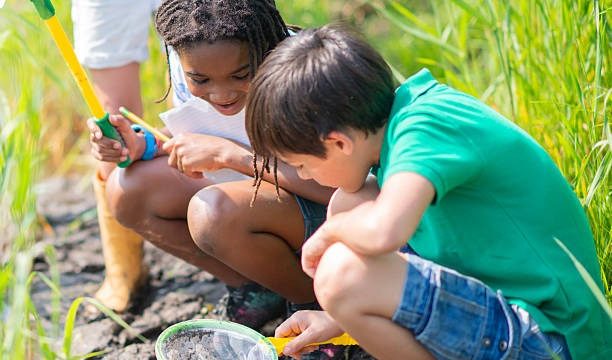
In a similar vein, science lessons can benefit immensely from story-based learning. Imagine teaching students about ecosystems through the eyes of a young explorer navigating a rainforest. By following this character’s journey, students can learn about biodiversity, interdependence, and the delicate balance of nature. This narrative approach not only makes complex concepts more accessible but also instills a sense of wonder and respect for the environment.
As educators embrace story-based learning, it’s essential to consider the diverse backgrounds and experiences of students. Stories can be powerful tools for inclusivity, allowing students from various cultures to see their narratives reflected in the classroom. By integrating multicultural stories into the curriculum, educators can foster a sense of belonging and appreciation for diversity. This not only enriches the learning experience but also helps students develop empathy and understanding towards others.
Creating a classroom environment that encourages storytelling can also empower students to be active participants in their learning journey. By inviting them to share their own stories, educators can cultivate a sense of ownership and pride in their narratives. This practice not only enhances communication skills but also builds confidence, as students learn to articulate their thoughts and experiences. The act of storytelling can serve as a bridge, connecting students with one another and fostering a supportive community.
In the age of technology, incorporating digital storytelling into the classroom can further enhance student engagement. With tools like video, podcasts, and interactive presentations, students can express their narratives in innovative ways. This not only caters to various learning styles but also prepares students for a world where digital literacy is paramount. By blending traditional storytelling with modern technology, educators can create a dynamic learning experience that resonates with today’s youth.
As we navigate the complexities of education, it’s crucial to remember that learning is a deeply personal journey. Each student comes with their own unique story, shaped by experiences, interests, and aspirations. By embracing story-based learning, educators can honor these individual narratives, allowing students to see the relevance of their education in the context of their own lives. This alignment between personal experience and academic content can foster a love for learning that extends beyond the classroom.
Moreover, the benefits of story-based learning extend beyond engagement. Studies have shown that narratives can enhance critical thinking and problem-solving skills. When students immerse themselves in a story, they are often faced with dilemmas that require thoughtful consideration and decision-making. This experiential learning encourages them to analyze situations from multiple perspectives, honing their ability to navigate complexities in real life.
As we continue to explore the potential of story-based learning, it’s important to remain open to experimentation. Educators can draw inspiration from various genres, incorporating elements of fiction, non-fiction, poetry, and even visual arts to create multifaceted learning experiences. The key lies in being adaptable and responsive to the needs of the students, ensuring that the stories told are relevant and engaging.
In conclusion, story-based learning offers a refreshing perspective on education, one that prioritizes connection and engagement. By weaving narratives into the fabric of the curriculum, educators can inspire students to embark on their own learning adventures, fostering a sense of curiosity and wonder. As we embrace this approach, we not only enrich the educational experience but also cultivate a generation of thinkers, creators, and empathetic individuals ready to navigate the world with confidence. The journey of learning can indeed be a beautiful story, waiting to unfold in every classroom.