In a world that often emphasizes individual achievement, the power of collaboration can sometimes be overlooked, especially in educational settings.
For learners with dyslexia, fostering a supportive environment that encourages collaboration and peer support can make a significant difference in their academic journey.
By embracing this approach, we not only nurture their learning experiences but also cultivate a sense of belonging and community.
The journey of a dyslexia learner can be filled with unique challenges. Reading difficulties, struggles with spelling, and problems with organization are often part of their daily lives. However, when these learners come together with their peers, the atmosphere shifts from one of isolation to one of shared understanding and encouragement. This transformation can be as simple as creating study groups, engaging in group discussions, or participating in collaborative projects. The essence of this shift lies in the recognition that learning is not a solitary endeavor; rather, it thrives in a supportive community.
Creating a nurturing environment begins with understanding. When peers take the time to learn about dyslexia and its implications, they are better equipped to offer support. This knowledge fosters empathy and a deeper connection. For instance, when students recognize that their classmate may need extra time to process information or might benefit from alternative methods of learning, they become more patient and accommodating. This understanding can lead to a more inclusive atmosphere where every learner feels valued and respected.
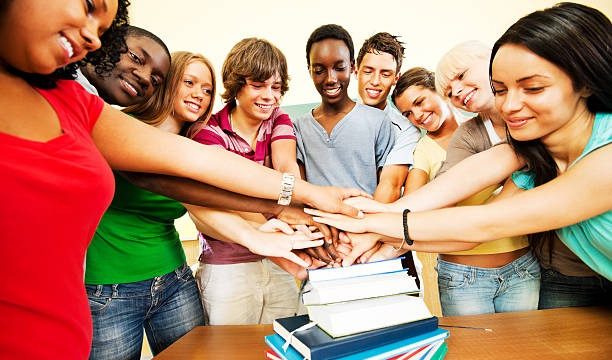
Encouraging collaboration can also be a way to build confidence among dyslexia learners. When students work together, they can share their strengths and compensate for each other’s weaknesses. A learner who may struggle with reading might excel in creative thinking or problem-solving. By collaborating on projects, students can leverage each other’s skills, allowing everyone to shine in their own way. This not only boosts their self-esteem but also reinforces the idea that everyone has something valuable to contribute.
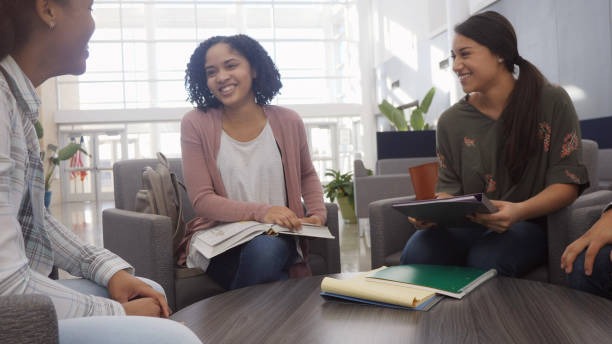
Friendship plays a crucial role in the learning experience. When learners with dyslexia are supported by their peers, they feel more comfortable expressing their challenges and celebrating their victories. These friendships can blossom in study groups, where students gather to tackle assignments together. In these settings, learners can share strategies that have worked for them, whether it’s using graphic organizers to outline their thoughts or utilizing technology that assists with reading. The exchange of ideas can be incredibly empowering, transforming daunting tasks into manageable ones.
A small shift toward balance can be found in the way educators facilitate group work. Teachers can create opportunities for students to collaborate by designing assignments that require teamwork. This not only alleviates pressure on individual learners but also encourages them to communicate openly. When students are placed in diverse groups, they can learn from one another’s experiences, fostering an environment where differences are appreciated rather than feared. This balance not only enhances learning but also cultivates a culture of respect and inclusivity.
Peer mentoring programs can be an excellent way to encourage collaboration and support among learners. In these programs, older students or peers who have successfully navigated similar challenges can offer guidance and encouragement. By sharing their experiences, they can provide insights that resonate with younger learners. This mentorship can be incredibly impactful, as it creates a bridge between different levels of experience while reinforcing the idea that no one is alone in their journey.
Moreover, incorporating technology can enhance collaboration among dyslexia learners. Various tools are available that facilitate group work, enabling students to communicate and collaborate effectively, even outside the classroom. Online platforms can host discussions, share resources, and create a space for students to brainstorm ideas together. This accessibility allows for continuous support and fosters a sense of community, even in a virtual environment.
Encouraging collaboration and peer support also extends beyond academic settings. Social activities and clubs can provide additional opportunities for dyslexia learners to connect with their peers. Whether it’s joining a book club, participating in sports, or engaging in creative arts, these activities allow students to bond over shared interests. Such connections can reduce feelings of isolation and promote a sense of belonging, which is invaluable for personal growth and development.
Ultimately, the goal of fostering collaboration and peer support for dyslexia learners is to create an environment where they can thrive. By emphasizing the importance of teamwork and mutual understanding, we can help these learners navigate their challenges with confidence. It’s about building a community that celebrates diversity and recognizes the unique contributions of each individual.
As we move forward, let’s remember that the journey of learning is not just about mastering skills; it’s also about building relationships and fostering a sense of belonging. By encouraging collaboration and peer support, we can create a nurturing environment where dyslexia learners feel empowered to embrace their strengths, face their challenges, and flourish both academically and socially. In this collective journey, we not only uplift the learners but also enrich our communities, making them more inclusive and vibrant for everyone.