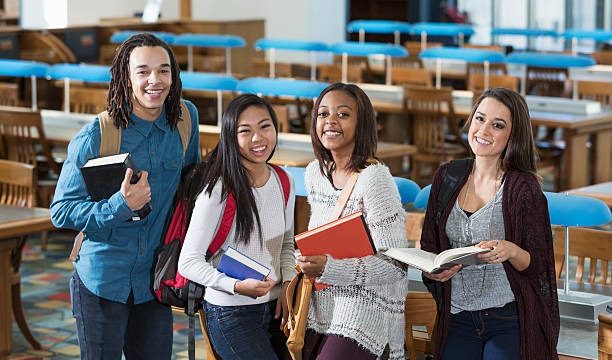
In today’s diverse educational landscape, the conversation around supporting students with varied abilities is more important than ever.
Each child brings a unique set of skills, interests, and challenges to the classroom.
Embracing this diversity not only enriches the learning environment but also fosters a sense of belonging among all students.
As educators, parents, and community members, we have a shared responsibility to cultivate spaces where every learner can thrive.
Understanding diverse abilities is a journey, one that requires patience and an open heart. Children may face challenges in different areas, whether it’s in learning, communication, or social interactions. These differences can stem from a variety of factors, including neurodevelopmental conditions, physical disabilities, or even emotional and behavioral challenges. Recognizing that these abilities exist on a spectrum is crucial, as it paves the way for tailored support and understanding.
Creating an inclusive classroom begins with awareness and education. Teachers and staff can benefit from professional development opportunities that focus on the best practices for accommodating diverse learners. Understanding the principles of Universal Design for Learning (UDL) can be particularly transformative. UDL encourages educators to provide multiple means of engagement, representation, and action and expression. This approach not only supports students with disabilities but enhances the educational experience for all learners.
A gentle shift toward a more inclusive mindset can begin in the early stages of education. When children are introduced to the concept of diversity from a young age, they learn to appreciate differences rather than fear them. Activities that promote empathy, kindness, and collaboration can be seamlessly woven into the curriculum. Simple storytelling sessions featuring characters with various abilities can spark meaningful conversations, allowing children to explore and discuss what it means to be different.
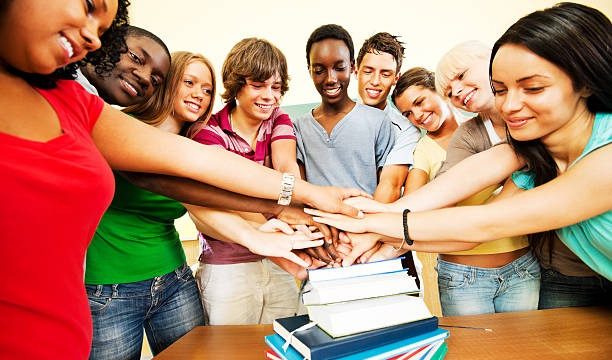
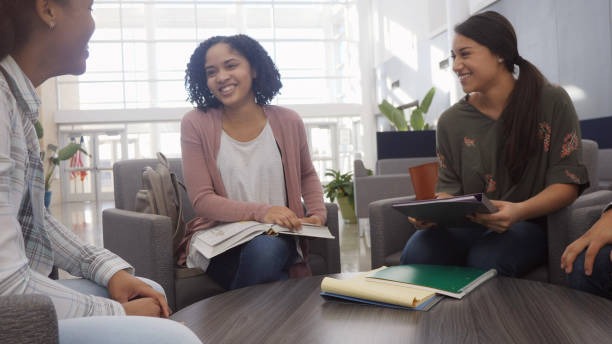
In the classroom, fostering a sense of community is essential. This can be achieved through cooperative learning experiences, where students work together to solve problems or complete projects. Such activities not only promote social skills but also allow students to see the value in each other’s contributions. When children collaborate, they learn to appreciate diverse perspectives and abilities, building a foundation for mutual respect.
Another important aspect of supporting students with diverse abilities is recognizing the role of families. Parents and guardians are invaluable partners in this journey. Open communication between educators and families can lead to a deeper understanding of each child’s needs and strengths. Schools can host workshops and information sessions to empower families with strategies for supporting their children at home. When families feel included in the educational process, it creates a powerful support network that can enhance a child’s learning experience.
Creating individualized learning plans is another way to cater to the unique needs of students. These plans take into account each child’s strengths, challenges, and interests, allowing for personalized instruction. It’s important to remember that flexibility is key. What works for one student may not be effective for another, so being open to adjustments is essential. Regular check-ins and assessments can help educators gauge progress and make necessary modifications to ensure that every child is supported effectively.
The physical environment of a classroom also plays a significant role in supporting diverse learners. A well-organized and sensory-friendly space can make a world of difference. Consideration for seating arrangements, lighting, and available resources can create a more welcoming atmosphere for all students. Incorporating elements like quiet corners or calming sensory tools can help students who may feel overwhelmed or anxious during the school day.
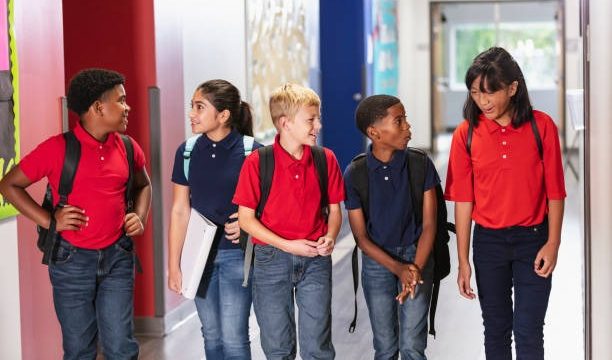
As we navigate the complexities of education, it’s important to highlight the value of peer mentorship. Older students can serve as mentors for younger or less experienced peers, fostering a sense of connection and community. This not only benefits the mentees but also enhances the leadership and communication skills of the mentors. Creating opportunities for students to learn from one another can lead to enriching experiences that transcend traditional educational boundaries.
Moreover, incorporating technology can be a powerful tool for supporting diverse abilities in the classroom. Assistive technologies and educational apps can provide personalized learning experiences and enhance engagement. Technology can bridge gaps, offering alternative ways for students to express their knowledge and creativity. The key is to ensure that technology is used thoughtfully and purposefully, complementing traditional teaching methods rather than replacing them.
While the journey of supporting students with diverse abilities can be challenging, it is also incredibly rewarding. Celebrating the small victories, whether it’s a child mastering a new skill or forming a friendship, is what makes this work meaningful. As educators and community members, we can create a culture of appreciation for growth, resilience, and diversity.
In conclusion, supporting students with diverse abilities in education requires a collective effort rooted in empathy, understanding, and collaboration. By embracing diversity and fostering inclusivity, we can create enriching environments where all students feel valued and empowered. Let us continue to advocate for practices that celebrate each learner’s unique journey, paving the way for a brighter, more inclusive future in education. Together, we can make a difference in the lives of our children, nurturing their potential and helping them shine.