In the vibrant world of education, classrooms are a mosaic of diverse learners, each bringing their unique strengths, challenges, and perspectives.
This diversity is a beautiful reflection of our society, yet it also presents a complex challenge for educators.
How can teachers effectively engage and support students of varying abilities within the same space? The answer lies in embracing differentiated strategies that cater to the individual needs of each learner, creating a harmonious environment where everyone can thrive.
The essence of differentiated instruction is rooted in understanding that no two students are alike. Each child has their own pace of learning, preferred styles, and areas of interest. By recognizing these differences, educators can tailor their teaching methods to foster a sense of belonging and accomplishment among all students. This approach not only enhances academic success but also nurtures self-esteem and motivation.
Creating a welcoming atmosphere is a vital first step. When students feel safe and valued, they are more likely to engage with the learning process. Simple gestures, such as greeting each student by name or incorporating their interests into lessons, can make a profound difference. Imagine a classroom where the walls are adorned with student artwork or where discussions revolve around topics that resonate with their lives. This sense of community lays the groundwork for effective differentiation.
A gentle shift toward balance involves recognizing that academic content can be approached in various ways. One effective method is through tiered assignments, where tasks are designed at varying levels of complexity. For instance, in a literature lesson, some students might explore themes in a story through a creative project, while others may delve deeper into character analysis through written reflections. This flexibility allows students to engage with the material at a level that feels appropriate for them, fostering both challenge and confidence.
Another valuable strategy is the use of learning centers. These are designated areas in the classroom where students can engage in different activities that cater to their individual learning preferences. For example, one center might focus on hands-on experiments for kinesthetic learners, while another offers reading materials for those who thrive on textual engagement. By rotating through these centers, students can explore various aspects of a topic, reinforcing their understanding while also honing their personal skills.
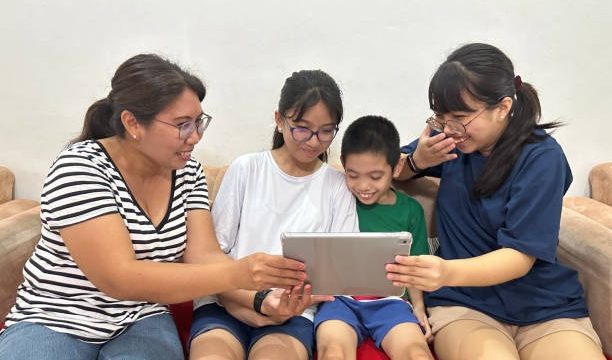
Incorporating technology can also play a significant role in differentiation. Educational apps and online resources offer a wealth of opportunities for personalized learning. Students can work at their own pace, accessing materials that suit their skill level and interests. This not only empowers them to take charge of their learning journey but also enables teachers to monitor progress and adjust their instruction accordingly. When technology is used thoughtfully, it becomes a bridge that connects diverse learners to a shared goal of understanding.
Encouraging collaboration among students is another cornerstone of a differentiated classroom. Group work can be a powerful tool for learning, as it allows students to share their strengths and learn from one another. By thoughtfully grouping students based on their abilities or interests, teachers can create dynamic learning experiences that foster peer support and social skills. In this environment, a struggling student might gain clarity from a peer, while a more advanced learner can reinforce their understanding by teaching others.
Assessment in a differentiated classroom should also reflect the varied ways students demonstrate their understanding. Traditional tests can be limiting, so incorporating alternative assessment methods can provide a fuller picture of student learning. Portfolios, presentations, and project-based assessments allow students to showcase their knowledge in ways that resonate with them. This approach not only values individual strengths but also encourages creativity and critical thinking.
As we consider the emotional landscape of a mixed-ability classroom, it’s essential to cultivate a growth mindset among students. Encouraging them to view challenges as opportunities for growth can transform their learning experience. Simple phrases like, “I can learn from this mistake,” or “I’m getting better every day,” can instill resilience and determination. When students understand that effort and perseverance are valued, they are more likely to embrace challenges rather than shy away from them.
The journey of differentiation is not without its challenges. It requires a commitment to continuous learning and adaptation from educators. Professional development opportunities can be invaluable, providing teachers with the tools and strategies they need to effectively address the diverse needs of their students. Collaboration with colleagues can also foster a sense of community among educators, allowing them to share successes and brainstorm solutions together.
Ultimately, the goal of differentiated strategies is to create a classroom environment where every student feels empowered to learn and grow. It’s about celebrating the unique contributions of each individual while guiding them toward their fullest potential. As educators embrace these strategies, they not only enhance the academic experience but also contribute to the development of well-rounded, confident individuals who are prepared to navigate the complexities of the world beyond the classroom.
In this beautiful tapestry of learning, every thread counts. By fostering an inclusive, supportive environment and utilizing differentiated strategies, teachers can make a lasting impact on their students’ lives. The journey may be complex, but the rewards—seeing students flourish, grow, and embrace their unique paths—are immeasurable. As we move forward, let’s continue to embrace the richness of diversity in our classrooms, ensuring that every learner finds their place and shines brightly.