Creating a nurturing and encouraging environment in the classroom is essential for fostering positive behavior among students.
When children feel safe, respected, and valued, they are more likely to engage actively in their learning and develop the social skills necessary for life beyond the classroom walls.
It’s a gentle dance of understanding, patience, and creativity that can transform a typical classroom into a thriving community of learners.
One of the cornerstones of encouraging positive behavior is establishing clear expectations. Children thrive on structure, and when they know what is expected of them, they are more likely to meet those expectations. This doesn’t mean laying down strict rules but rather fostering an understanding of the values and behaviors that are celebrated within the classroom. For instance, discussing the importance of kindness, respect, and teamwork can help students internalize these principles, creating a sense of ownership over their actions.
A small shift toward balance can make a significant difference in how students respond to expectations. Instead of focusing solely on what not to do, educators can highlight positive behaviors and celebrate them. This might involve recognizing students who demonstrate kindness or cooperation during group activities. When positive behavior is acknowledged, it encourages not only the individual who is praised but also others who witness the recognition. This ripple effect can cultivate a culture of positivity and support within the classroom.
Creating a warm and inviting atmosphere is another essential ingredient in promoting positive behavior. The physical environment can greatly influence a child’s mood and willingness to engage. A classroom that is bright, organized, and filled with student work can inspire pride and ownership. Incorporating elements that reflect the students’ interests and cultures can also foster a sense of belonging. When children feel like their classroom is a reflection of themselves, they are more inclined to participate and behave positively.
In addition to a welcoming environment, establishing strong relationships with students is crucial. When educators take the time to understand their students as individuals, they can tailor their approach to meet each child’s unique needs. This may involve one-on-one check-ins, where teachers ask about a student’s interests or how they are feeling that day. Such gestures build trust and rapport, making students feel valued and understood. When children perceive that their teacher genuinely cares about them, they are more likely to respond positively.
Encouraging positive behavior also means teaching emotional intelligence. Helping students recognize and articulate their feelings can empower them to manage their emotions effectively. Simple practices, such as incorporating mindfulness exercises or sharing stories that touch on various emotions, can be incredibly beneficial. When children learn to identify their feelings, they can better navigate conflicts and challenges, leading to a more harmonious classroom environment.
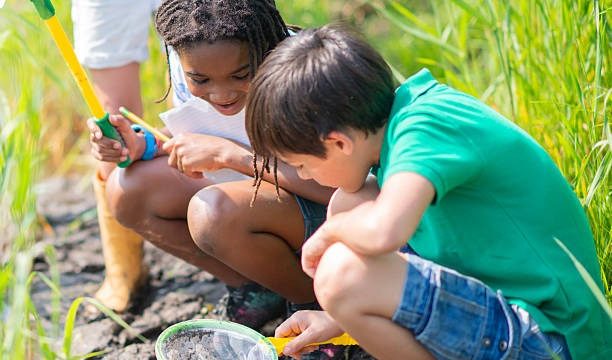
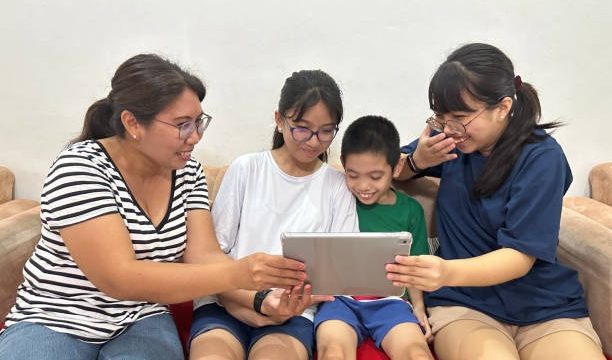
Incorporating collaborative activities into daily routines can also enhance positive behavior. Group projects or team-building exercises not only foster a sense of community but also teach essential social skills. Through collaboration, students learn to communicate effectively, resolve conflicts, and appreciate diverse perspectives. Teachers can facilitate these experiences by providing guidance and support, ensuring that every child feels included and valued.
A gentle reminder of the power of routine can also help in cultivating positive behavior. Consistent daily routines provide children with a sense of security and predictability. When students know what to expect, they can focus on their learning rather than feeling anxious about what comes next. Routines can include morning meetings, where students share thoughts or feelings, or end-of-day reflections that encourage them to think about what they learned. These practices can reinforce positive behavior and create a sense of closure.
As educators, it’s essential to be mindful of our language. The way we communicate with students can significantly impact their behavior. Using positive, affirming language encourages children to strive for their best. Instead of saying, “Don’t talk while I’m speaking,” a more constructive approach might be, “I appreciate your attention while I’m sharing.” This subtle shift not only conveys the expectation but also reinforces the value of respect and attentiveness.
Celebrating achievements, no matter how small, is another powerful way to encourage positive behavior. Recognizing students for their efforts, whether it’s completing an assignment or showing kindness to a peer, can boost their confidence and motivation. This celebration can take many forms, from verbal praise to displaying student work prominently in the classroom. By highlighting successes, educators can create a positive feedback loop that encourages continued good behavior and academic effort.
It’s also important to remember that mistakes are a natural part of learning. When students misstep, it’s crucial to approach the situation with empathy and understanding. Instead of focusing solely on the behavior, educators can engage in conversations that help students reflect on their actions and understand the impact on others. This approach not only promotes accountability but also teaches valuable lessons about empathy and growth.
In conclusion, encouraging positive behavior in the classroom is a multifaceted endeavor that requires patience, creativity, and compassion. By establishing clear expectations, fostering strong relationships, and creating an inviting environment, educators can cultivate a space where students feel empowered to thrive. It’s about nurturing a sense of community that values kindness, respect, and collaboration, allowing every child to flourish both academically and socially. Through these gentle practices, we can inspire the next generation to not only be successful learners but also compassionate individuals who contribute positively to the world around them.