Creating a green classroom is a wonderful way for teachers to foster an environment that is not only conducive to learning but also promotes sustainability and respect for the planet.
As educators, we have a unique opportunity to inspire the next generation to think about their impact on the world.
By integrating green practices into our classrooms, we can cultivate a culture of mindfulness and responsibility.
Here are some gentle suggestions to help you transform your classroom into a vibrant, eco-friendly space.
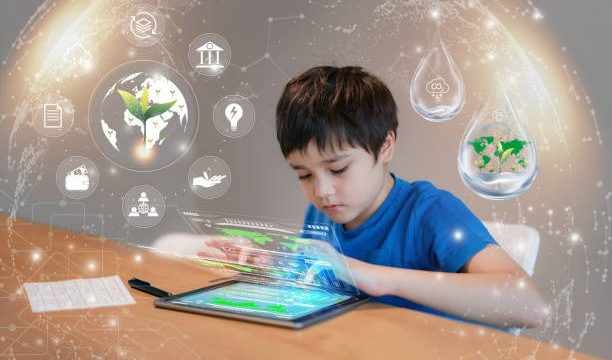
A nurturing environment begins with small changes. One of the simplest ways to create a green classroom is to assess your current use of resources. Consider what materials you use on a daily basis. Are there opportunities to reduce waste? For instance, opting for digital assignments instead of paper can significantly cut down on paper use. Encourage students to submit their work electronically, which not only saves paper but also teaches them valuable digital skills.
In addition, think about your classroom supplies. Many everyday items can be replaced with eco-friendly alternatives. Look for non-toxic art supplies, recycled paper, and biodegradable materials. By choosing products that are kind to the environment, you set an example for your students about making conscious choices. Moreover, involving your students in the selection process can help them feel invested in the classroom’s eco-friendly mission.
Creating a green classroom also means rethinking how we approach energy use. Simple adjustments, such as turning off lights when they’re not needed or utilizing natural light whenever possible, can make a significant difference. Encourage students to be mindful of energy consumption by discussing the importance of conservation. You might even consider designating a “light monitor” each week who is responsible for ensuring that lights are off when the classroom is empty. This small role can empower students and instill a sense of responsibility.
Incorporating plants into your classroom can further enhance the green atmosphere. Plants not only improve air quality but also add a touch of nature to your space. Consider introducing easy-to-care-for varieties like spider plants or pothos. Students can take turns watering and caring for the plants, fostering a sense of connection to nature and responsibility. Additionally, discussing the role of plants in our ecosystem can lead to meaningful lessons about biodiversity and sustainability.
A small shift toward balance can be achieved through recycling and composting. Set up clearly labeled bins for recycling paper, plastic, and other materials. Teaching students about the importance of recycling can be a powerful lesson in environmental stewardship. For composting, consider starting a small bin for organic waste from snacks or lunch. This not only reduces waste but also opens up discussions about how composting enriches soil and supports plant growth.
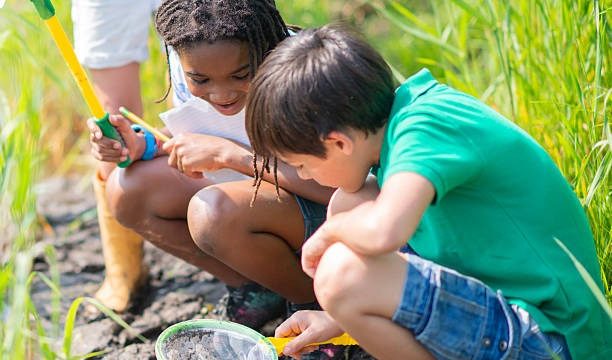
Connecting with the local community can also enhance your green classroom initiative. Look for opportunities to partner with local environmental organizations or participate in community clean-up events. Inviting guest speakers from these organizations to share their knowledge can enrich your students’ understanding of environmental issues. Such partnerships can bring real-world context to classroom lessons, making the learning experience more impactful.
Incorporating sustainability into your curriculum can spark curiosity and creativity. Consider weaving environmental themes into subjects like science, art, and even mathematics. For example, a science project could involve researching local ecosystems or studying the impact of pollution. In art, students could create pieces using recycled materials. This interdisciplinary approach not only teaches important concepts but also encourages students to think critically about their environment.
Creating a green classroom is also about fostering a sense of community and cooperation among students. Encourage collaborative projects that focus on sustainability. Perhaps students can work together to create a garden, either in the classroom or in a community space. Gardening teaches valuable lessons about patience, responsibility, and the importance of nurturing living things. Plus, it can be a delightful way for students to witness the growth process firsthand.
A calm and inviting atmosphere can greatly enhance the learning experience. Consider using soft colors and natural materials in your classroom decor. Incorporating elements like wood, plants, and textiles made from organic materials can create a serene environment that promotes focus and well-being. Allowing students to personalize their space with eco-friendly crafts can also make the classroom feel more welcoming.
As you implement these green ideas, remember the importance of reflection. Encourage students to think about their own habits and how they can contribute to a more sustainable world. Regular discussions about environmental issues can foster a sense of global citizenship. By nurturing this awareness, you empower students to take action beyond the classroom, leading to a more conscious and caring approach to the world around them.
In conclusion, creating a green classroom is a journey that begins with small, intentional steps. By fostering an environment that values sustainability, we can inspire our students to develop a lifelong commitment to protecting the planet. Each effort, no matter how small, contributes to a larger movement toward environmental stewardship. As teachers, we have the privilege of shaping young minds, and by embracing these green classroom ideas, we can equip our students with the tools they need to make a positive impact on the world.