In the world of education, fostering student engagement is an essential part of creating a vibrant and effective learning environment.
When students feel connected to the material and motivated to participate, they are more likely to absorb knowledge and develop critical thinking skills.
Here, we explore some lesson ideas that can breathe life into your classroom, encouraging students to dive deeper into their learning experiences.
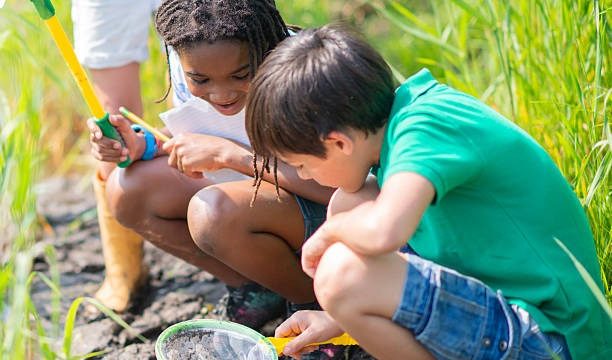
A gentle approach to inquiry-based learning can spark curiosity and ownership among students. This method invites learners to ask questions and explore topics that resonate with them personally. Instead of presenting information as a series of facts to memorize, you might start a lesson by posing an intriguing question related to the subject matter. For example, in a science class, you could ask, “What would happen if the Earth stopped spinning?” This opens the door for students to investigate concepts related to gravity, time, and even the implications of such a scenario. The key is to allow students to guide their exploration, encouraging them to seek answers through research, discussion, and experimentation.
Another effective strategy is incorporating storytelling into your lessons. Humans are naturally drawn to stories; they resonate on an emotional level and can help clarify complex ideas. You might frame a history lesson around a particular individual’s journey, sharing their struggles and triumphs. This not only makes the content relatable but also invites students to connect with the material personally. They can imagine themselves in the shoes of historical figures, fostering empathy and a deeper understanding of the events that shaped our world.
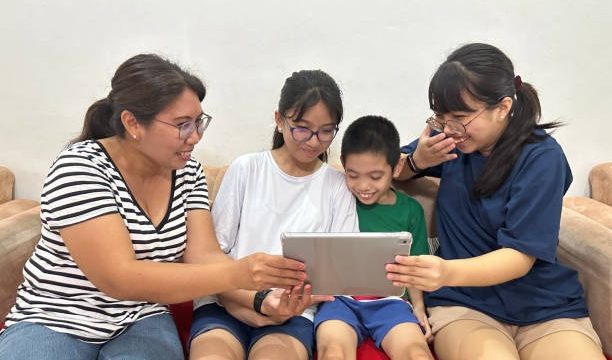
To create a collaborative atmosphere, consider integrating group projects that emphasize teamwork and collective problem-solving. When students work together, they learn to communicate effectively, respect diverse perspectives, and develop critical social skills. You could assign a project where students must design a sustainable city, encouraging them to think about environmental impacts, resource management, and community needs. As they brainstorm and collaborate, students take ownership of their learning and feel a sense of accomplishment when they present their ideas to the class.
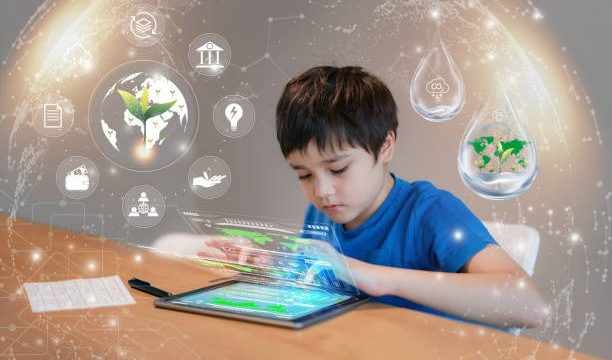
Incorporating technology into lessons can also enhance engagement, particularly for digital natives. Using multimedia tools, such as videos, podcasts, or interactive simulations, can make learning more dynamic and accessible. For instance, in a literature class, you might have students create a short film based on a novel they are studying. This allows them to interpret the text creatively while honing their technological skills. By blending traditional literature with modern technology, you can captivate students’ attention and encourage them to explore the material from new angles.
A small shift toward balance can be achieved by incorporating mindfulness practices into your classroom routine. Taking a few minutes at the beginning or end of a lesson for deep breathing or reflection can help students center themselves and prepare for learning. This practice not only promotes focus but also encourages emotional regulation, which is vital for effective engagement. By fostering a calm atmosphere, you create a space where students feel safe to express their thoughts and ideas.
Incorporating real-world connections can significantly enhance student engagement. When students see how their studies relate to the world around them, they become more invested in the learning process. You might invite guest speakers from various professions to share their experiences and how they apply classroom knowledge in real life. For example, a mathematician could explain how they use mathematical principles in their daily work, making abstract concepts more tangible. This not only enriches students’ understanding but also inspires them to envision their future careers.
Exploring the arts can also play a vital role in engaging students. Integrating creative expression into lessons allows students to explore their interests and talents. For example, if you are teaching about ecosystems in a biology class, you might encourage students to create a visual art piece that represents the interconnectedness of species. This approach not only deepens their understanding of the subject but also allows them to express their creativity and perspective, making the learning experience more personal and meaningful.
Creating a classroom environment that values student voice is essential for fostering engagement. Encouraging students to share their opinions and ideas helps them feel respected and valued. You might implement regular class discussions or feedback sessions, where students can express what they enjoy about the lessons and what they would like to explore further. This collaborative dialogue empowers students, making them active participants in their learning journey.
Another gentle yet effective method is to incorporate movement into your lessons. Research shows that physical activity can enhance cognitive function and retention. Consider starting a lesson with a brief movement break or integrating kinesthetic activities related to the subject matter. For example, in a geography class, students could create a large map on the floor using tape, allowing them to physically walk through different regions and understand geographical relationships. This approach not only breaks up the monotony of sitting but also promotes a more engaged and motivated learning experience.
Lastly, nurturing a growth mindset within your classroom can profoundly influence student engagement. Emphasizing the importance of effort, resilience, and learning from mistakes can help students embrace challenges rather than shy away from them. You might share stories of famous figures who faced setbacks and ultimately succeeded, reinforcing the idea that persistence is key to achievement. By cultivating an environment where mistakes are seen as opportunities for growth, you empower students to take risks and actively engage with their learning.
In conclusion, fostering student engagement requires creativity, empathy, and a willingness to adapt. By incorporating inquiry-based learning, storytelling, collaborative projects, technology, mindfulness, real-world connections, the arts, student voice, movement, and a growth mindset, educators can create a rich tapestry of learning experiences. As students feel more connected and invested in their education, they not only enhance their understanding of the material but also develop a lifelong love for learning. Embracing these ideas can lead to a more dynamic, inclusive, and inspiring classroom environment, where every student feels empowered to thrive.