In today’s world, where sustainability is becoming increasingly important, classrooms have a unique opportunity to make a positive impact.
Schools are not just places for academic learning; they are also environments where habits are formed and values are instilled.
By focusing on reducing waste, educators and students alike can contribute to a healthier planet while fostering a sense of responsibility and community.
Here are some thoughtful tips to help reduce classroom waste.
Creating a culture of awareness is one of the first steps to minimizing waste in the classroom. It’s essential to engage students in conversations about the importance of sustainability and the impact of waste on the environment. By discussing topics such as recycling, composting, and the benefits of reusing materials, students can begin to understand the broader implications of their daily choices. This awareness can lead to a sense of ownership over their actions, encouraging them to think critically about their consumption habits.
One practical approach to reducing waste is to assess and modify the materials used in the classroom. Traditional supplies, such as paper and plastic, can contribute significantly to waste. Instead of relying solely on disposable items, consider incorporating reusable materials into daily activities. For example, using whiteboards for practice instead of worksheets can drastically cut down on paper usage. Additionally, providing students with personal reusable containers for snacks and drinks can minimize single-use plastics.
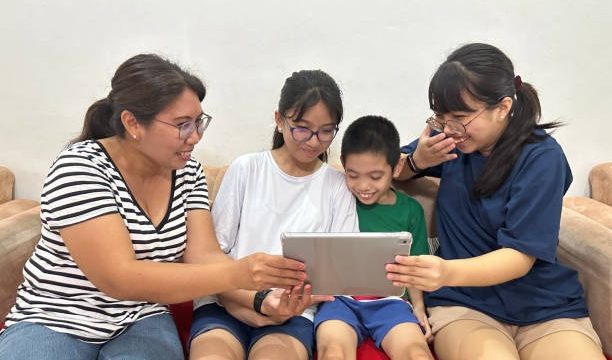
A small shift toward balance can also be achieved by embracing digital tools. With the rise of technology in education, many resources are available that allow for paperless communication and assignment submissions. Digital platforms can facilitate collaboration and sharing of resources, reducing the need for printed handouts. Encouraging students to take notes digitally can also lessen the amount of paper used in the classroom. This not only helps the environment but also prepares students for a future where technology plays an integral role in their lives.
Another effective way to reduce waste is by introducing a recycling program tailored to the classroom’s needs. Simple steps like placing clearly labeled recycling bins next to trash cans can encourage students to think twice before throwing items away. It’s also beneficial to teach students about what can and cannot be recycled, as confusion often leads to contamination of recycling streams. By making recycling a regular practice, students can develop habits that extend beyond the classroom and into their homes and communities.
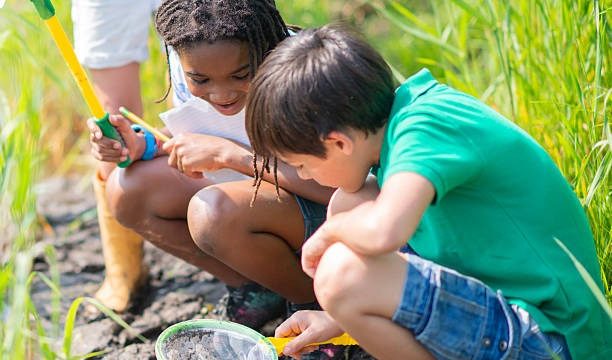
Exploring the concept of composting can also be a delightful addition to classroom waste reduction efforts. If space allows, setting up a small compost bin for organic waste, such as fruit peels or leftover snacks, can teach students about the natural cycle of decomposition. This hands-on experience can be both educational and engaging, showing students how waste can be transformed into nutrient-rich soil. It’s a wonderful way to connect lessons on biology and ecology with real-world applications.
Incorporating sustainability into classroom projects can also inspire creativity while reducing waste. Consider organizing art projects that utilize recycled materials. Students can create sculptures, collages, or even functional items from what would otherwise be discarded. This not only fosters creativity but also reinforces the idea that waste can have a second life. Celebrating these projects in a classroom display can further emphasize the value of resourcefulness and innovation.
Cultivating a mindful approach to purchasing school supplies is another essential aspect of waste reduction. When it comes time for back-to-school shopping or replenishing classroom supplies, opting for eco-friendly products can make a significant difference. Encourage the use of items made from recycled materials or those that are biodegradable. By prioritizing quality over quantity, educators can help students understand the importance of making informed choices that benefit the environment.
Engaging families in the waste reduction journey can amplify the impact of classroom initiatives. Sending home information about the school’s efforts to reduce waste and suggesting similar practices for families can create a ripple effect. Encourage parents to participate in discussions about sustainability during school events or workshops. When families are involved, students are more likely to embrace these values and carry them into their daily lives.
Creating opportunities for students to reflect on their waste reduction efforts can also enhance their learning experience. Consider incorporating journal entries or discussions that allow students to share their thoughts on what they have learned about sustainability. Providing a space for reflection can deepen their understanding and encourage them to take pride in their contributions to waste reduction.
As educators, it’s essential to remember that change doesn’t happen overnight. Small, consistent efforts can lead to significant impacts over time. By fostering a culture of sustainability within the classroom, teachers can equip students with the knowledge and skills to make environmentally conscious choices. Together, these small shifts can create a more sustainable future for generations to come.
In conclusion, reducing classroom waste is a journey that involves awareness, creativity, and community engagement. By implementing thoughtful practices and encouraging open discussions about sustainability, educators can inspire students to take an active role in preserving the environment. Every small effort counts, and as classrooms embrace these changes, they not only reduce waste but also cultivate a generation of environmentally responsible individuals. The classroom can become a powerful platform for change, where students learn not only about academic subjects but also about their role in caring for the planet.