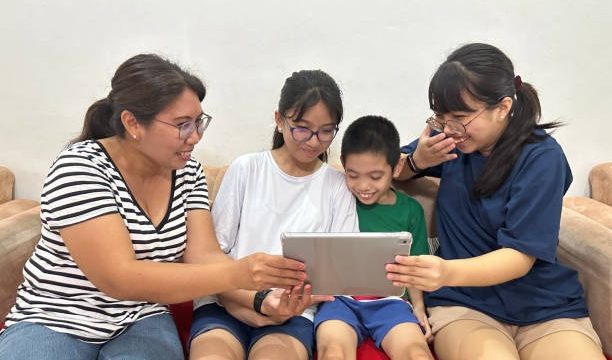
Teaching reading fluency can be a rewarding journey, filled with moments of discovery and joy.
As parents, educators, or caregivers, fostering a love for reading in children not only supports their academic growth but also nurtures their imagination and creativity.
In this exploration, we will share some gentle yet effective tips to help you guide young readers toward fluency, creating a positive and engaging experience.
A gentle approach to reading
Reading fluency encompasses several skills, including the ability to read smoothly, accurately, and with expression. It’s about more than just recognizing words; it’s about understanding and enjoying the rhythm of language. One of the most effective ways to cultivate this fluency is through a gentle and patient approach. Instead of focusing solely on the mechanics of reading, create an environment that celebrates the joy of stories.
Encouraging a love for stories can begin with the simple act of reading aloud. Choose engaging books that capture a child’s imagination, and read them together. As you turn the pages, allow your enthusiasm to shine through. Use different voices for characters, and pause to discuss the illustrations. This not only makes reading fun but also helps children understand the narrative flow and emotional cadence of the text.
Creating a cozy reading nook
Setting the stage for reading can significantly influence a child’s willingness to engage with books. Consider creating a cozy reading nook—a small, inviting space filled with cushions, soft lighting, and a variety of books. This dedicated area can become a sanctuary for exploration, where children feel comfortable diving into different worlds through stories.
Encourage children to pick books that intrigue them, whether they are fiction, non-fiction, or poetry. The key is to provide a range of options that cater to their interests. When children feel at ease in their reading environment, they are more likely to spend time exploring texts, which naturally leads to improved fluency over time.
Modeling fluent reading
Children often learn by imitation, making it essential for caregivers and educators to model fluent reading. When you read aloud, demonstrate the rhythm and intonation that come with fluent reading. Emphasize punctuation, pausing appropriately to enhance understanding. This modeling provides a clear example for children, helping them grasp how to convey meaning through their own reading.
Additionally, consider integrating shared reading experiences. Take turns reading passages, allowing children to hear fluent reading while also participating. This collaborative approach fosters a sense of partnership, making the learning process feel less daunting and more enjoyable.
The power of repetition
Repetition can be a powerful tool in developing reading fluency. When children read the same text multiple times, they become more familiar with the words and phrases, allowing them to read with greater confidence and ease. Choose books that resonate with them, and revisit these stories together.
Repetitive reading can take various forms. You might choose to read a favorite story several times in one week or explore a series of books with similar themes. As children become increasingly comfortable with the text, encourage them to read aloud to family members or even pets. This not only reinforces their skills but also builds their confidence in a low-pressure setting.
Incorporating technology mindfully
In our digital age, technology can be a helpful ally in promoting reading fluency. There are numerous apps and online resources designed to support literacy development. However, it’s essential to approach technology mindfully. Select interactive tools that encourage reading rather than passive consumption.
Audiobooks, for instance, can be a delightful way to expose children to fluent reading. Listening to stories read by skilled narrators can help children develop an ear for expression and pacing. After listening, invite them to discuss the story, encouraging them to share their thoughts and feelings. This connection between listening and comprehension is vital in nurturing their reading journey.
Celebrating progress, big and small
As children progress in their reading skills, it’s important to celebrate their achievements, no matter how small. Positive reinforcement can significantly impact their motivation and self-esteem. Create a system that acknowledges their efforts, whether through verbal praise or a simple sticker chart.
When children feel recognized for their hard work, they are more likely to continue pushing themselves. Emphasize that fluency is a journey, and it’s perfectly okay to stumble along the way. By focusing on the joy of reading rather than perfection, you create a supportive atmosphere that encourages growth and exploration.
Connecting reading to everyday life
Reading doesn’t have to be confined to books alone. Integrate literacy into everyday activities to make it a natural part of life. Engage children in reading signs, labels, and menus during outings. Invite them to help with grocery lists or recipes, turning everyday tasks into fun reading opportunities.
By showing children how reading is woven into daily life, you help them understand its practicality and relevance. This connection can inspire them to seek out reading experiences beyond the confines of traditional texts, further enhancing their fluency.
A nurturing environment for exploration
Ultimately, teaching reading fluency is about creating a nurturing environment where children feel safe to explore and express themselves. Encourage curiosity and creativity in their reading experiences. Allow them to ask questions, make predictions, and share their interpretations.
Remember that each child’s journey is unique, and there’s no one-size-fits-all approach. Adapt your methods to suit their individual needs and interests. With patience, encouragement, and a focus on the joy of reading, you can help children develop the fluency they need to navigate the world of books and beyond.
As you embark on this journey, cherish the moments spent together, lost in the pages of a story. The laughter, the questions, and the shared discoveries will not only enhance their reading skills but also create lasting memories that foster a lifelong love for reading. Embrace this adventure, and watch as your young readers flourish.