Math often carries a reputation for being a daunting subject, filled with complex equations and abstract concepts that seem to swirl in a fog of confusion.
Yet, at its core, math is a beautiful language that describes the world around us.
To help students embrace this language and find joy in numbers, it’s essential to cultivate an environment where math feels engaging and fun.
Here are some thoughtful ways to transform the math experience for students.
Creating a welcoming atmosphere is a gentle yet powerful approach to making math enjoyable. When students feel safe and supported, they are more likely to explore, ask questions, and express their thoughts without the fear of making mistakes. This supportive environment can be fostered through positive reinforcement and encouraging dialogue. When a student solves a problem, no matter how small, celebrating that achievement can build their confidence and spark further interest in the subject.
Incorporating games into the math curriculum can also work wonders. Games have a unique ability to turn learning into an adventure, making the process feel less like a chore and more like play. Board games, card games, and even digital platforms can be wonderful tools to engage students. For example, using math-based games that involve strategy and problem-solving can help students practice their skills while having fun. This playful approach not only enhances learning but also strengthens social skills and teamwork.
Another delightful way to make math relatable is by linking it to real-life situations. When students see how math applies to their everyday lives, it can ignite their curiosity. Simple activities, such as cooking, shopping, or planning a trip, can provide practical applications for math concepts. For instance, measuring ingredients in a recipe can introduce fractions, while budgeting for a shopping list can bring addition and subtraction into play. These experiences help students understand that math is not just a subject in school; it’s a valuable tool they can use in their daily lives.
Connecting math with art and creativity can also breathe new life into the subject. Math and art share a beautiful relationship, and exploring this connection can lead to exciting discoveries. Activities like creating geometric art, exploring symmetry, or even studying patterns in nature can make math visually appealing. Encouraging students to express their understanding of mathematical concepts through creative projects can foster a deeper appreciation for both disciplines. This integration of creativity can show students that math isn’t just about numbers; it’s also about imagination and innovation.
Storytelling is another enchanting way to engage students with math. Incorporating narratives into math lessons can help students relate to the concepts on a personal level. For instance, presenting a math problem as a story, where characters face challenges that require mathematical solutions, can captivate students’ attention. This approach not only makes math more relatable but also encourages critical thinking and problem-solving skills. By weaving math into stories, students can see themselves as active participants in the learning process.
Encouraging a growth mindset is crucial in the journey of making math enjoyable. Helping students understand that mistakes are a natural part of learning can alleviate the pressure they often feel. When students view challenges as opportunities to grow rather than obstacles to avoid, they are more likely to engage with the material. Acknowledging effort and persistence rather than just correct answers promotes resilience and a love for learning. This mindset shift can transform the way students approach math, turning anxiety into excitement.
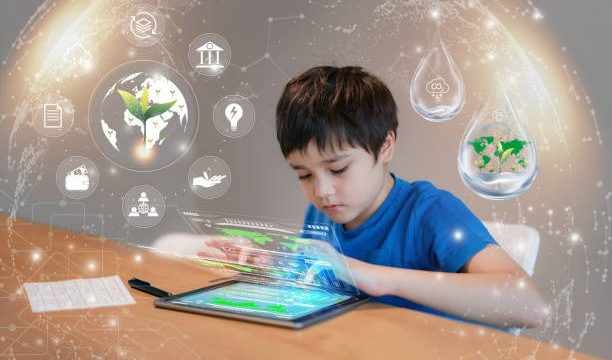
Technology can also play a significant role in making math fun. With a multitude of educational apps and online resources available, students can explore math concepts at their own pace and in a way that resonates with them. Interactive platforms that gamify learning can make practice feel less like a task and more like an engaging experience. Additionally, virtual reality and simulations can provide immersive experiences that bring abstract concepts to life, allowing students to visualize and interact with math in innovative ways.
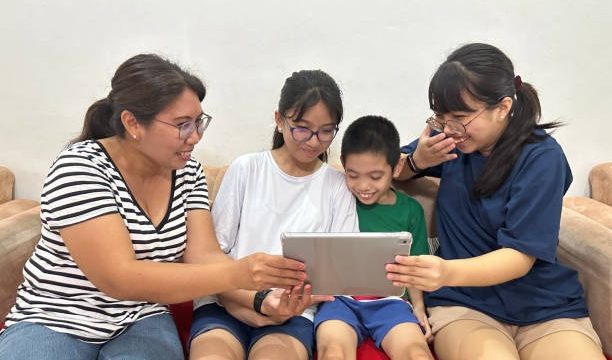
Collaboration among students can cultivate a sense of community and shared learning. Group activities and projects encourage students to work together, share ideas, and support each other. This cooperative learning environment not only makes math more enjoyable but also helps students develop communication and interpersonal skills. When students collaborate on problem-solving, they can learn from one another’s perspectives and approaches, enriching their understanding of the material.
It’s also important to recognize the individual learning styles of students. Personalizing the learning experience can make a significant difference in how students engage with math. Some may thrive with visual aids, while others might prefer hands-on activities or auditory explanations. Taking the time to understand these preferences can lead to more effective teaching strategies and a more inclusive environment. When students feel that their unique needs are acknowledged, they are more likely to participate actively and enthusiastically.
Finally, fostering a love for math can be greatly enhanced by introducing students to the stories of mathematicians and the history of math itself. Learning about the great minds who contributed to the field can inspire students and show them the human side of math. Understanding the challenges these individuals faced and the creative solutions they devised can motivate students to pursue their own mathematical journeys with passion and curiosity.
In conclusion, making math fun and engaging for students is a multifaceted endeavor that requires creativity, empathy, and a willingness to adapt. By nurturing a supportive environment, incorporating games and real-life applications, blending math with art, and fostering collaboration, we can transform the way students perceive and engage with math. Ultimately, the goal is to inspire a genuine love for learning, empowering students to embrace the beauty of mathematics as a vital part of their lives. With patience and innovation, we can guide the next generation toward a brighter, more enthusiastic relationship with math.