In today’s fast-paced world, encouraging students to take charge of their own learning journey can feel like a daunting task.
Yet, fostering independent learning is not only beneficial for academic growth but also essential for personal development.
When students learn to motivate themselves, they acquire skills that will serve them well throughout their lives.
So, how can we inspire this sense of independence in our students?
Creating a nurturing environment is a vital first step. A space that feels safe and welcoming can significantly influence a student’s willingness to explore and learn. This does not merely refer to a physical classroom but extends to the emotional and psychological atmosphere as well. When students feel valued and supported, they are more likely to take risks in their learning. Encouraging open dialogue allows them to express their thoughts and questions freely, fostering a sense of belonging and ownership over their education.
Another important aspect is to cultivate curiosity. Encouraging students to ask questions and pursue their interests can ignite a passion for learning. It’s beneficial to provide opportunities for exploration beyond the standard curriculum. Whether it’s through project-based learning, field trips, or even simple discussions about topics that intrigue them, nurturing curiosity can lead students to discover their own motivations. When they find joy in learning, the desire to learn independently often follows naturally.
A small shift toward balance can also make a significant difference. Students today often juggle various responsibilities, from academics to extracurricular activities. Encouraging them to find a healthy balance can help them prioritize their learning. Teaching time management skills and the importance of setting realistic goals can empower students to take ownership of their schedules. When they learn to balance their commitments, they can dedicate time to pursue their interests and academic goals independently.
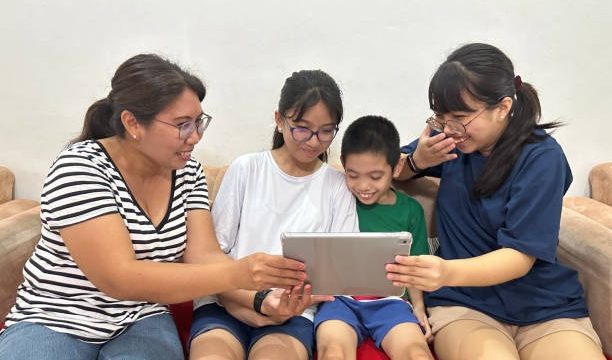
Incorporating technology can also play a pivotal role in fostering independent learning. The digital age offers an abundance of resources that students can tap into. Encouraging them to explore online courses, educational videos, and interactive learning platforms can enhance their understanding of subjects in a way that feels engaging and relevant. Technology can serve as a bridge, connecting students with global resources and diverse perspectives, making learning more dynamic and self-directed.
Another gentle approach is to model independent learning behaviors. As educators or mentors, demonstrating how we engage with our own learning can inspire students. Sharing personal stories about our own struggles and triumphs can humanize the process of learning. When students see that even their teachers embrace the challenges of learning, they may feel more motivated to take similar steps. This shared experience can create a sense of camaraderie, reminding them that learning is a lifelong journey for everyone.
Encouraging self-reflection is another key component in promoting independent learning. Teaching students to evaluate their own progress and set personal goals fosters a sense of accountability. Gentle prompts for reflection, such as journaling or discussions about what they enjoyed or found challenging, can help them develop a deeper understanding of their learning styles and preferences. When students learn to assess their own experiences, they become more adept at identifying what works for them, leading to greater independence in their educational pursuits.
Fostering a growth mindset is essential in motivating students to learn on their own. It’s important to emphasize that intelligence and abilities are not fixed traits but can be developed through effort and perseverance. Encouraging students to embrace challenges as opportunities for growth, rather than obstacles, can shift their perspective. When they understand that mistakes are a natural part of the learning process, they may be more inclined to take initiative and pursue knowledge independently.
Creating opportunities for collaboration can also help students feel more confident in their ability to learn independently. Group projects or study circles can provide a supportive environment where students share ideas and resources. This collaborative spirit not only enhances learning but also builds a sense of community. When students work together, they can motivate each other and share strategies for independent learning, reinforcing the idea that they are not alone in their educational journey.
Recognizing and celebrating achievements, no matter how small, can further motivate students to pursue independent learning. Positive reinforcement can boost their confidence and encourage them to take on new challenges. Whether it’s through verbal praise, showcasing their work, or simply acknowledging their efforts, celebrating their successes can inspire them to continue striving for growth. When students see that their hard work is valued, they are more likely to take initiative in their own learning.
Ultimately, the goal is to cultivate a love for learning that extends beyond the classroom. Encouraging students to explore their passions, pursue their interests, and take responsibility for their education can lead to a more fulfilling and enriching learning experience. By creating a supportive environment, nurturing curiosity, and promoting self-reflection, we can guide students toward becoming independent learners who are not only prepared for their academic journeys but are also equipped for life beyond the classroom.
In this journey of fostering independent learning, patience and understanding are key. Each student is unique, with their own pace and style of learning. By providing gentle guidance and encouragement, we can help them discover their intrinsic motivation. The rewards of independent learning are profound, not only for academic success but for personal growth and resilience in the face of life’s challenges. As we inspire students to take charge of their learning, we ultimately empower them to become lifelong learners, equipped with the skills to navigate an ever-changing world.