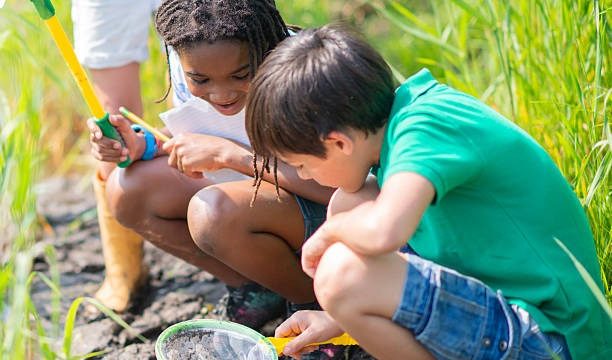
In a world that often emphasizes immediate results and fixed abilities, cultivating a growth mindset can feel like a radical act of kindness toward ourselves and our students.
The concept, popularized by psychologist Carol Dweck, encourages individuals to see challenges as opportunities for growth rather than obstacles to be avoided.
As educators, fostering this mindset in our classrooms can create a nurturing environment where students feel empowered to explore, learn, and thrive.
A gentle transition toward understanding
At its core, a growth mindset is about believing that intelligence and abilities can be developed through dedication and hard work. In teaching, this concept becomes a guiding principle. It invites us to create a learning atmosphere that celebrates effort, resilience, and the joy of learning from mistakes. By shifting our focus from grades and outcomes to the learning process itself, we allow students to embrace challenges and view failure as a stepping stone toward success.
Creating a supportive environment
One of the most significant ways to foster a growth mindset is by establishing a classroom culture that prioritizes support and encouragement. This begins with our language. The words we choose can either uplift or discourage. Instead of praising students solely for their intelligence, we can highlight their effort, persistence, and strategies. For instance, rather than saying, “You’re so smart,” try, “I’m proud of how hard you worked on this project.” This subtle shift encourages students to associate success with effort and perseverance, rather than innate ability.
Encouraging curiosity and exploration
Fostering a growth mindset also involves nurturing curiosity. When students feel safe to explore new ideas and ask questions without fear of judgment, they are more likely to engage deeply with the learning material. Encourage them to take risks in their learning journey. This could be through open-ended assignments that allow for creative thinking or classroom discussions that invite diverse perspectives. By valuing questions just as much as answers, we can help students see learning as a continuous process rather than a destination.
Embracing mistakes as learning opportunities
In a growth-oriented classroom, mistakes should not be viewed as failures but as essential components of the learning process. When students make errors, it’s an opportunity for reflection and growth. As educators, we can model this by sharing our experiences with failure and how we overcame challenges. By demonstrating vulnerability and resilience, we teach students that it’s okay to stumble and that each misstep is a chance to learn something new. This approach not only eases the fear of failure but also fosters a sense of belonging and community.
Cultivating a love for feedback
Feedback is a powerful tool in the learning process, yet many students fear criticism. To cultivate a growth mindset, we must help students view feedback as a valuable resource rather than a personal attack. Encourage a culture where constructive feedback is welcomed and sought after. This can be achieved through peer reviews, where students learn to give and receive feedback in a supportive manner. By framing feedback as a way to improve and grow, we can help students see it as an integral part of their educational journey.
Modeling a growth mindset ourselves
As educators, we are not just teachers; we are role models. Our attitudes and behaviors significantly influence our students. By demonstrating a growth mindset in our own challenges, we can inspire them to adopt the same approach. Share your learning experiences, whether they involve trying something new, facing setbacks, or pursuing professional development. When students see their teachers embracing growth, they are more likely to mirror that attitude in their own lives.
Encouraging goal-setting and reflection
Another effective strategy for nurturing a growth mindset is to guide students in setting personal goals and reflecting on their progress. Encourage them to think about what they want to achieve and the steps they can take to get there. Reflection is equally important; it allows students to assess their learning experiences and recognize their growth over time. Journaling can be a wonderful tool for this, providing a space for students to articulate their thoughts, feelings, and insights.
Building resilience through challenges
Resilience is a key aspect of a growth mindset. To develop this quality, we can present students with challenges that are appropriately difficult. It’s essential to strike a balance between pushing students out of their comfort zones and ensuring they feel supported. When they encounter obstacles, remind them of past successes and the strategies they used to overcome difficulties. By reinforcing their ability to persevere, we help them build the confidence to tackle future challenges.
Fostering collaboration and teamwork
In a classroom that values growth, collaboration becomes vital. Working together allows students to share diverse perspectives and learn from one another. Group projects or peer tutoring can create a sense of community where students feel safe to express their ideas and learn from their peers. This collaborative spirit not only fosters a growth mindset but also prepares students for the interconnected world they will navigate beyond the classroom.
Celebrating progress, not just outcomes
Finally, it’s essential to celebrate progress along the learning journey. Recognizing small victories can boost students’ motivation and reinforce the idea that growth takes time and effort. Whether it’s acknowledging a student’s improvement in a skill or their commitment to a challenging project, these celebrations can help students appreciate their hard work and dedication. By focusing on progress rather than perfection, we create an environment where learning is a lifelong pursuit.
In nurturing a growth mindset through teaching, we are not just shaping students’ academic journeys; we are equipping them with essential life skills that extend far beyond the classroom. By fostering resilience, curiosity, and a love for learning, we empower our students to embrace challenges and view failures as opportunities for growth. As educators, we have the unique privilege of guiding the next generation toward a mindset that will serve them well in all aspects of their lives. With kindness and intentionality, we can create a learning environment that celebrates the beauty of growth.