In the heart of every successful classroom lies a harmonious flow of communication.
It’s not just about the exchange of information; it’s about creating a nurturing environment where students feel valued, understood, and engaged.
Whether you are a teacher, a student, or a parent, enhancing communication in the classroom can lead to a more enriching educational experience.
Let’s explore some thoughtful strategies to improve classroom communication, fostering connection and understanding among everyone involved.
A gentle approach to listening
Effective communication begins with listening. Often, we think of communication as a two-way street, but the first step is to truly hear what others are saying. In a classroom setting, this means teachers should cultivate an atmosphere where students feel comfortable sharing their thoughts and feelings. Encourage open dialogue by actively listening to students’ questions, concerns, and insights. Make eye contact, nod in understanding, and respond thoughtfully. When students see that their voices matter, they are more likely to engage in conversations and contribute to discussions.
Creating safe spaces for expression
Every classroom is unique, filled with diverse voices and perspectives. To enhance communication, it’s crucial to create a safe space where students can express themselves without fear of judgment. Establishing ground rules for discussions can help foster respect and understanding. Encourage students to share their ideas and opinions, reminding them that differing viewpoints are not only welcome but celebrated. This nurturing environment allows students to feel empowered to speak up and share their thoughts, enriching the overall classroom experience.
Finding common ground
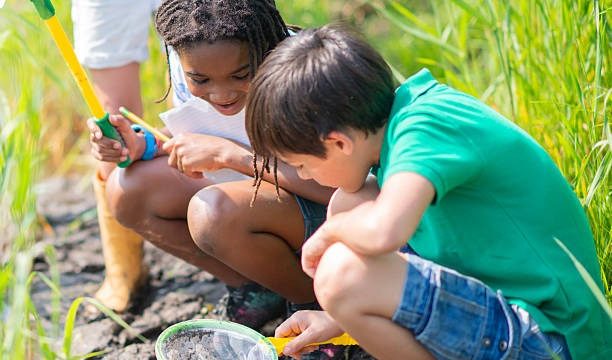
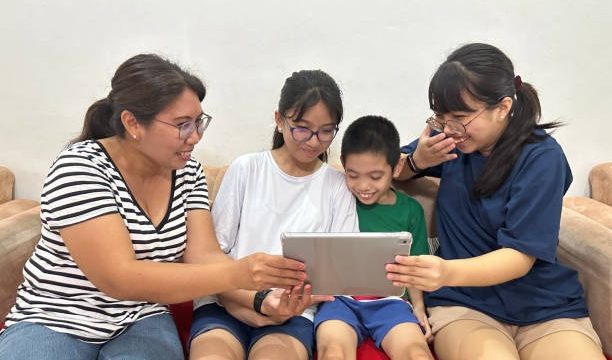
Building rapport among students is essential for effective communication. One way to do this is by finding common ground. Engage students in collaborative activities that require teamwork and cooperation. Group projects, discussions, and peer reviews can help students connect over shared interests and experiences. When they work together, they learn to communicate better, understanding the importance of compromise and collaboration. These interactions can also strengthen friendships and create a sense of belonging, making it easier for students to share their thoughts in the future.
Encouraging non-verbal communication
Communication isn’t limited to spoken words. Non-verbal cues, such as body language, facial expressions, and gestures, play a significant role in how messages are conveyed and received. Teachers can encourage students to be aware of their non-verbal communication and to interpret the signals of their peers. Activities like role-playing or drama exercises can help students become more attuned to these cues. By exploring non-verbal communication, students can enhance their understanding of one another, leading to deeper connections and more effective interactions.
The power of feedback
Constructive feedback is a vital aspect of improving communication in the classroom. It helps students understand their strengths and areas for growth. Teachers should provide feedback that is specific, actionable, and encouraging. Rather than simply pointing out what needs improvement, focus on what students did well and how they can build on that success. Encourage peer feedback as well, allowing students to learn from one another. This exchange not only enhances communication skills but also fosters a culture of support and collaboration.
Embracing technology
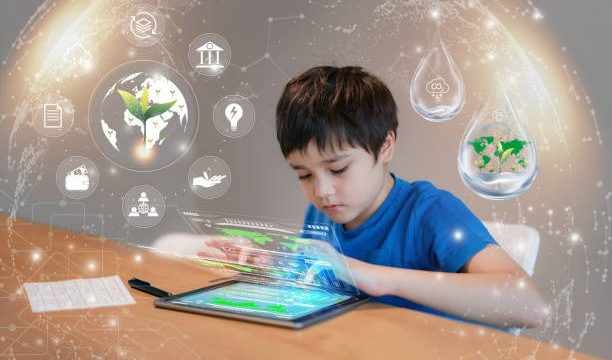
In today’s digital age, technology can be a valuable ally in improving classroom communication. Various online platforms and tools can facilitate discussions, share resources, and enhance collaboration. Consider using discussion boards, video conferencing, or collaborative documents to encourage participation, especially for students who may feel shy in traditional settings. Technology can bridge gaps and create opportunities for students to express themselves in ways that feel comfortable to them. However, it’s essential to strike a balance, ensuring that technology enhances communication rather than replacing face-to-face interactions.
Nurturing emotional intelligence
Emotional intelligence, or the ability to understand and manage one’s emotions while empathizing with others, plays a crucial role in effective communication. Teachers can help students develop their emotional intelligence by incorporating social-emotional learning into the curriculum. Activities that promote self-awareness, empathy, and relationship-building can enhance students’ understanding of themselves and their peers. When students learn to navigate their emotions and recognize the feelings of others, they become more adept at communicating in a respectful and compassionate manner.
A focus on clarity and simplicity
In an educational environment, clarity is key. When conveying information, whether through verbal instruction or written materials, strive for simplicity. Use clear language and avoid jargon that may confuse students. Encourage questions and be open to clarifying any misunderstandings. This approach not only improves comprehension but also fosters a culture of inquiry where students feel comfortable seeking clarification and engaging in discussions.
Fostering a culture of appreciation
Finally, creating a culture of appreciation can significantly enhance communication within the classroom. Celebrate achievements, both big and small, and acknowledge the efforts of students. This recognition fosters a positive atmosphere where students feel valued and motivated to share their thoughts and ideas. Simple gestures, like a warm compliment or a note of encouragement, can go a long way in building a supportive community.
In conclusion, improving classroom communication is a multifaceted endeavor that requires patience, empathy, and creativity. By nurturing listening skills, creating safe spaces, and embracing diverse communication methods, we can foster an environment where every voice is heard and valued. As we embark on this journey of connection, let us remember that effective communication is not just a skill; it is a vital component of a thriving educational experience. Together, we can build classrooms that resonate with understanding and compassion, paving the way for a brighter future for all.