In a world that increasingly values connection and understanding, the ability to navigate social interactions is more important than ever.
For many individuals, particularly children and those on the autism spectrum, developing these essential social skills can be a challenging journey.
One engaging and effective approach to fostering these skills is through role-playing.
This playful yet meaningful method allows participants to step into various social scenarios, helping them learn and practice interactions in a safe environment.
The beauty of role-playing lies in its simplicity. It can take many forms, from informal games with friends to structured activities in educational settings. The essence of role-playing is to simulate real-life situations, enabling individuals to experiment with different responses and behaviors. This experiential learning not only builds confidence but also encourages empathy and understanding of others’ perspectives.
Creating a safe space for exploration is crucial. When individuals feel comfortable, they are more likely to engage fully in the activity. This can be achieved by setting a relaxed atmosphere where everyone understands that mistakes are part of the learning process. Emphasizing that there are no right or wrong answers opens the door for creative expression and personal growth. The goal is not perfection but rather the opportunity to learn and develop social awareness.
A small shift toward balance can make a significant difference in how role-playing activities are approached. By incorporating a mix of structured scenarios and spontaneous improvisation, participants can experience a broad range of social situations. For instance, role-playing can start with a predefined script, focusing on specific interactions like greeting someone new or resolving a conflict. As individuals gain confidence, they can transition into more fluid scenarios where they create their dialogues and responses on the spot. This blend of structure and freedom allows for deeper engagement and understanding.
One of the most enriching aspects of role-playing is the opportunity for reflection. After each scenario, taking a moment to discuss what went well and what could be improved fosters a deeper understanding of social dynamics. Encouraging participants to share their feelings about the experience can lead to valuable insights. Questions such as “How did you feel when you approached someone new?” or “What might you do differently next time?” can spark meaningful conversations that enhance self-awareness and emotional intelligence.
Role-playing can also be a wonderful way to introduce and practice non-verbal communication cues. Body language, facial expressions, and tone of voice are integral components of social interactions. By acting out different roles, participants can learn to recognize and respond to these subtle signals. For example, practicing how to convey enthusiasm or empathy through body language can be a game-changer in real-life situations. This heightened awareness can lead to more effective and meaningful interactions outside the role-playing environment.
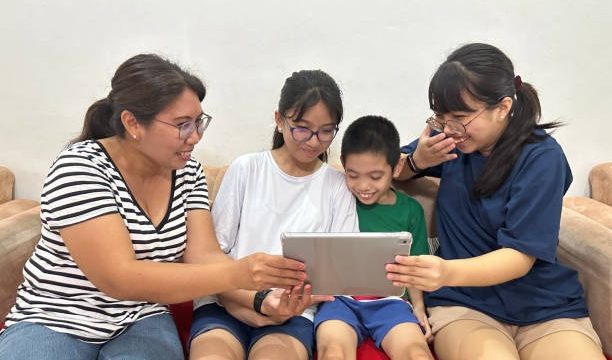
Another significant benefit of role-playing is its ability to foster teamwork and collaboration. Engaging in group activities encourages individuals to work together, sharing ideas and perspectives. This collaborative spirit can enhance social bonds and create a sense of community. When participants support each other in role-playing exercises, they learn the value of cooperation and the importance of diverse viewpoints. Such experiences can cultivate a sense of belonging, which is vital for emotional well-being.
For parents and educators, integrating role-playing into daily routines can be a delightful way to enhance social skills. It can be as simple as setting aside time for family game nights where everyone takes on different characters or creating scenarios related to real-life challenges. For instance, role-playing a visit to the doctor or a first day at school can help alleviate anxiety and prepare individuals for upcoming experiences. This proactive approach not only builds confidence but also equips individuals with the tools they need to navigate the world around them.
As technology continues to shape our interactions, incorporating digital tools into role-playing can also be beneficial. Virtual reality applications and interactive storytelling platforms offer immersive experiences that can take role-playing to new heights. These tools can provide unique scenarios and environments, allowing individuals to practice social skills in diverse contexts. While traditional methods are invaluable, exploring new technologies can enhance engagement and broaden the learning experience.
Ultimately, the heart of role-playing lies in its ability to connect people. It is an opportunity for individuals to step into each other’s shoes, fostering empathy and understanding. The lessons learned through these playful interactions can extend far beyond the activity itself. As participants practice social skills, they also develop a deeper appreciation for the nuances of human interaction, which can lead to more fulfilling relationships.
In a world that often feels disconnected, the power of role-playing to teach social skills offers a gentle reminder of our shared humanity. By creating supportive environments where individuals can explore, experiment, and reflect, we can nurture the social skills that foster connection and understanding. Whether through structured activities, spontaneous play, or digital experiences, role-playing serves as a bridge to a more empathetic and socially aware future. Embracing this approach can lead to a deeper understanding of ourselves and others, enriching our lives in countless ways.