In today’s ever-evolving educational landscape, the concept of an inclusive classroom is gaining significant attention.
It’s not just about having diverse students in one room; it’s about fostering an environment where every child feels valued, understood, and empowered to learn.
For teachers, this means developing a unique set of competencies that go beyond traditional teaching methods.
Embracing these competencies can transform classrooms into vibrant learning spaces where all students thrive.
A gentle understanding of diversity
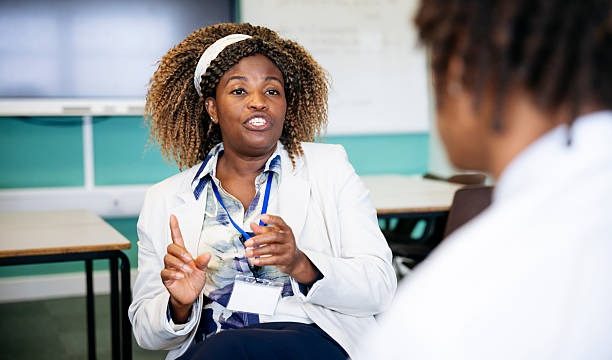
At the heart of inclusive practices lies a deep understanding of diversity. Every student comes with their own background, experiences, and learning styles. Teachers need to cultivate an awareness of these differences and recognize that each student has unique strengths and challenges. This understanding begins with empathy—taking the time to listen and learn about each child’s individual journey. By doing so, teachers can create a more personalized approach to instruction, catering to the varied needs of their students.
Creating a welcoming environment
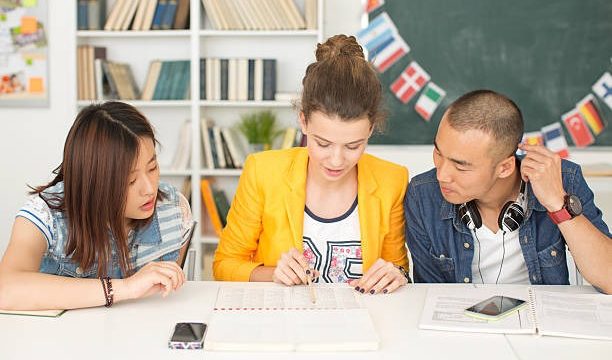
An inclusive classroom is one where students feel safe and comfortable to express themselves. Teachers play a crucial role in establishing this environment. Simple yet effective practices can make a significant difference. Greeting students warmly as they enter the classroom, using inclusive language, and decorating the space with diverse materials can set a positive tone. It’s about making every student feel seen and appreciated, which in turn fosters a sense of belonging.
Adapting teaching strategies
Flexibility is a vital competency for teachers in inclusive settings. Different students may require different approaches to learning. This might mean differentiating instruction, where teachers provide various avenues for students to engage with the material. For instance, some students might benefit from hands-on activities, while others may excel through discussion or written assignments. Being open to adapting teaching methods ensures that all students have the opportunity to succeed in ways that resonate with them.
Fostering collaboration among peers
Inclusion is not just about the teacher-student relationship; it also involves building a community within the classroom. Encouraging collaboration among students can enhance social skills and foster a sense of teamwork. Group projects, peer tutoring, and collaborative learning activities allow students to learn from one another and appreciate their diverse perspectives. Such interactions can promote understanding and respect, which are essential components of an inclusive environment.
Building strong relationships with families
An inclusive classroom extends beyond the school walls. Teachers who engage with families create a supportive network that benefits students. Building relationships with parents and caregivers can provide valuable insights into a child’s background and needs. Regular communication, whether through newsletters, conferences, or informal chats, can help bridge the gap between home and school. When families feel included in the educational process, it creates a more cohesive support system for the child.
Continuous professional development
To remain effective in inclusive practices, teachers must commit to lifelong learning. The field of education is ever-changing, and staying informed about the latest research, strategies, and tools is essential. Participating in workshops, attending conferences, and collaborating with colleagues can provide fresh perspectives and ideas. Moreover, seeking feedback from peers and mentors can foster growth and self-awareness, allowing teachers to refine their practices continually.
Embracing cultural competence
Cultural competence is another essential competency for educators in inclusive classrooms. It involves recognizing and respecting the diverse cultural backgrounds of students. Teachers can incorporate culturally relevant materials into their lessons, celebrating the rich tapestry of experiences that each student brings. By doing so, they validate students’ identities and promote a sense of pride in their heritage. This not only enhances learning but also nurtures an appreciation for diversity among all students.
Encouraging self-advocacy
Empowering students to advocate for themselves is a powerful aspect of inclusive education. Teachers can create opportunities for students to voice their needs, preferences, and concerns. Encouraging self-advocacy helps students develop confidence and ownership over their learning experiences. This might be as simple as allowing students to choose topics for projects or encouraging them to express their preferred learning styles. When students feel they have a say in their education, they are more likely to engage and invest in their learning.
Reflecting on practice
Reflection is a cornerstone of effective teaching, especially in inclusive settings. Taking time to consider what works and what doesn’t can lead to meaningful improvements. Teachers can maintain a reflective journal, engage in peer observations, or participate in collaborative discussions with colleagues. This practice not only enhances their teaching strategies but also reinforces their commitment to inclusivity. By continually reflecting on their approach, teachers can adapt and grow, ensuring that they meet the diverse needs of their students.
A small shift toward balance
Ultimately, the journey toward creating an inclusive classroom is an ongoing process. It requires dedication, patience, and a willingness to learn. Teachers who embrace these competencies not only enhance their own professional growth but also create a nurturing environment where every child can flourish. As they cultivate an inclusive classroom, they contribute to a broader movement of understanding, acceptance, and respect in education. In doing so, they not only teach academic skills but also lay the foundation for a more compassionate and inclusive society.
In conclusion, teacher competencies for inclusive classroom practices are about more than just techniques; they encompass a holistic approach to education that values every student’s unique contributions. By fostering understanding, building relationships, and remaining flexible and reflective, teachers can create classrooms that are truly inclusive. This commitment to inclusivity not only enhances learning experiences for students but also enriches the educational community as a whole, paving the way for a brighter future for all learners.