Helping Students Learn Through Experience
In a world that often emphasizes grades and standardized tests, the true essence of learning can sometimes get lost.
While academic performance is important, the experience gained through hands-on learning can be transformative.
This approach not only enhances knowledge retention but also nurtures essential life skills. As we explore the significance of experiential learning, we can uncover ways to help students engage more deeply and meaningfully with their education.
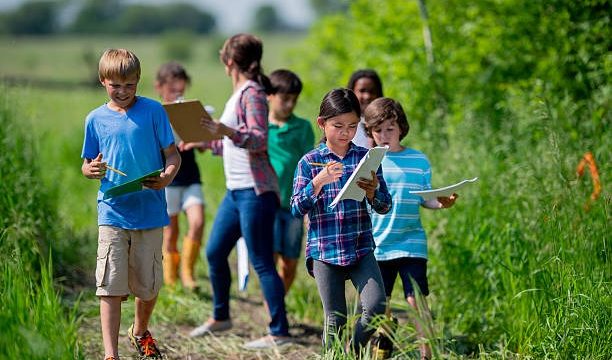
The beauty of learning through experience lies in its ability to connect theory with practice. Imagine a classroom where students don’t just read about ecosystems in a textbook but instead spend a day exploring a local nature reserve. They observe wildlife, collect samples, and even engage in discussions about environmental conservation. This immersive experience fosters a deeper understanding of the subject matter and creates lasting memories that textbooks alone cannot provide.
Creating opportunities for experiential learning requires a shift in perspective. It invites educators to step away from traditional teaching methods and embrace a more dynamic approach. By incorporating field trips, hands-on projects, and community service into the curriculum, teachers can spark curiosity and inspire students to take ownership of their learning. When students are actively involved, they become more invested in their education, leading to a richer and more fulfilling learning experience.
A nurturing environment is essential for experiential learning to flourish. Students thrive when they feel safe and supported, allowing them to take risks and explore new ideas. Encouraging open dialogue and collaboration among peers fosters a sense of belonging, making the learning process more enjoyable. When students feel valued, they are more likely to engage fully in their experiences, leading to deeper insights and personal growth.
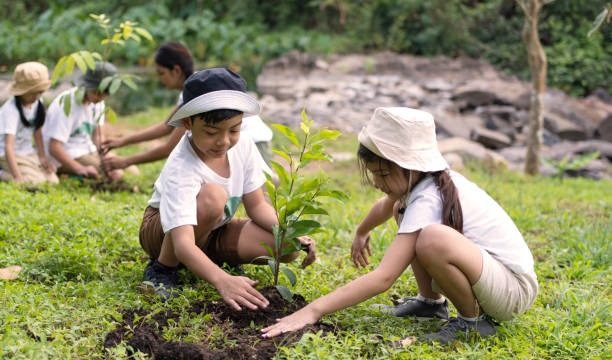
Incorporating real-world problems into the learning process can also enhance the relevance of education. For instance, students might tackle issues related to sustainability within their community. By researching local challenges, brainstorming solutions, and implementing their ideas, they can see the direct impact of their efforts. This kind of engagement not only reinforces academic concepts but also cultivates critical thinking, creativity, and problem-solving skills.
The role of mentorship in experiential learning cannot be understated. When students have access to mentors—be it teachers, community leaders, or professionals in their field of interest—they gain invaluable guidance and support. Mentors can share their experiences, provide insights, and help students navigate challenges. This connection not only enriches the learning process but also helps students envision their future paths, making education feel more relevant and attainable.
Another compelling aspect of experiential learning is its ability to cater to diverse learning styles. Every student is unique, and what resonates with one may not resonate with another. By providing a variety of hands-on experiences, educators can reach a broader spectrum of learners. Whether through visual arts, science experiments, or collaborative projects, students can engage with the material in ways that resonate with them personally. This flexibility can lead to a more inclusive and effective learning environment.
Reflection is a key component of experiential learning. After engaging in a hands-on activity, taking the time to reflect on the experience allows students to process what they’ve learned. This can be done through discussions, journaling, or creative projects. Reflection helps solidify knowledge and encourages students to connect their experiences to broader concepts. Moreover, it cultivates self-awareness, allowing students to recognize their strengths, areas for growth, and personal interests.
As we consider the future of education, it’s vital to recognize the role of technology in enhancing experiential learning. Virtual reality, for instance, offers students the opportunity to explore distant lands, historical events, or complex scientific phenomena from the comfort of their classroom. Online platforms can facilitate collaboration with peers from around the globe, broadening perspectives and enriching learning experiences. By integrating technology thoughtfully, educators can create a more engaging and interactive learning environment.
The benefits of experiential learning extend beyond academic achievement. Students who engage in hands-on experiences often develop stronger interpersonal skills, resilience, and adaptability. They learn to work collaboratively, communicate effectively, and approach challenges with a solutions-oriented mindset. These life skills are invaluable, preparing students for success not only in their studies but also in their future careers and personal lives.
As parents and educators, we have a unique opportunity to foster a love for learning that extends beyond the classroom. Encouraging curiosity and exploration at home can further enhance the impact of experiential learning. Simple activities like visiting a museum, gardening, or cooking together can spark interest and promote a sense of wonder about the world. These shared experiences create lasting bonds and enrich the educational journey.
In conclusion, helping students learn through experience is a powerful approach that nurtures both academic and personal growth. By creating opportunities for hands-on learning, fostering supportive environments, and encouraging reflection, we can inspire students to engage deeply with their education. As we embrace this holistic approach, we empower the next generation to become lifelong learners, equipped with the skills and knowledge to navigate an ever-changing world. Let us celebrate the beauty of experiential learning, recognizing that the journey is just as important as the destination.