In the bustling world of education, the focus often lands on the students—their needs, their challenges, and their successes.
However, an equally important aspect deserves our attention: the teachers themselves.
The competencies that educators bring to the classroom are pivotal in shaping student achievement, creating an environment where learning flourishes and potential is realized.
A nurturing atmosphere
At the heart of effective teaching lies the ability to cultivate a nurturing atmosphere. When students feel safe and valued, they are more likely to engage, take risks, and express their thoughts. Teachers who prioritize emotional intelligence create classrooms where empathy reigns. This emotional connection allows students to thrive, as they know their teachers genuinely care about their well-being and growth.
Moreover, a teacher’s ability to establish rapport with students can significantly influence their academic performance. When educators take the time to understand each student’s unique background, interests, and challenges, they can tailor their approaches to meet individual needs. This personalized attention can spark a love for learning that extends far beyond the classroom walls.
The art of communication
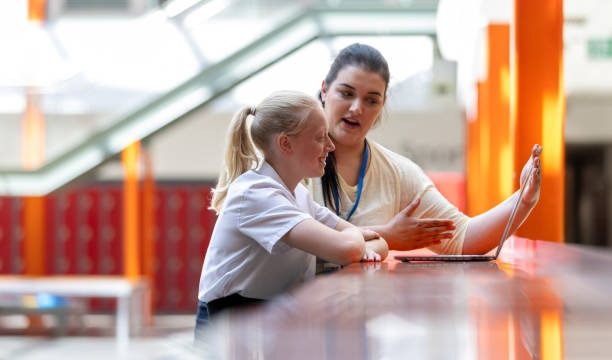
Effective communication is another cornerstone of teaching competencies. It goes beyond simply delivering information; it involves listening, understanding, and responding to students in a way that resonates with them. Teachers who master this art can break down complex concepts into digestible pieces, making learning accessible.
In a world filled with distractions, clarity in communication helps students stay focused and engaged. When educators articulate their expectations and provide constructive feedback, students gain a clearer understanding of their progress. This fosters a growth mindset, encouraging them to embrace challenges as opportunities rather than obstacles.
Adaptability in the classroom
The landscape of education is ever-evolving, and adaptability has become a crucial competency for teachers. With advancements in technology and diverse learning styles in play, educators must be flexible in their teaching methods. Embracing change not only keeps lessons relevant but also demonstrates to students the importance of resilience and adaptability in their own lives.
Teachers who are open to trying new strategies and tools can better meet the varied needs of their students. Whether it’s integrating technology into lessons or incorporating different learning modalities, a willingness to adapt can make all the difference in student engagement and comprehension.
Fostering collaboration
Collaboration is not just a buzzword; it’s a vital skill that teachers can model for their students. When educators work together, sharing ideas and resources, they create a richer learning environment. This collaborative spirit extends into the classroom as well, where students learn to value teamwork and cooperation.
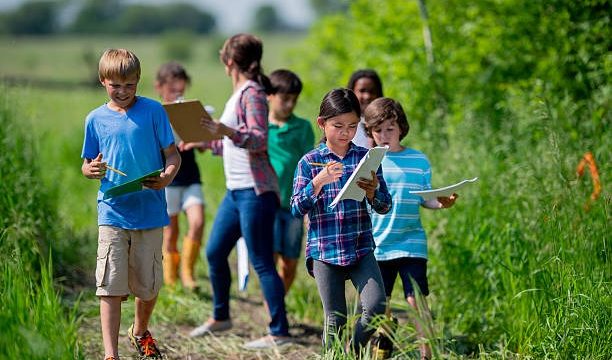
By encouraging group work and peer-to-peer learning, teachers help students develop essential social skills. These interactions foster a sense of community, allowing students to learn from one another and appreciate diverse perspectives. In turn, this collaborative approach to learning can lead to deeper understanding and retention of information.
A commitment to lifelong learning
In the world of education, the learning never truly ends. Great teachers embody a commitment to lifelong learning, demonstrating to their students that curiosity and growth are lifelong pursuits. This mindset encourages students to view education as an ongoing journey rather than a destination.
When educators engage in professional development, pursue new knowledge, and reflect on their practices, they model the importance of growth and improvement. This not only enhances their teaching but also inspires students to adopt a similar approach to their own learning.
Creating a positive learning environment
The physical classroom environment plays a significant role in student achievement. Teachers who are mindful of their classroom layout, resources, and overall ambiance can create spaces that inspire creativity and focus. A well-organized and visually appealing environment can spark curiosity and motivate students to engage with the material.
Additionally, fostering a culture of respect and inclusivity within the classroom encourages all students to participate. When teachers set clear expectations for behavior and promote a sense of belonging, students are more likely to feel comfortable expressing their ideas and opinions. This inclusivity not only enhances individual confidence but also enriches classroom discussions.
Building strong relationships with families
The connection between home and school is a vital component of student success. Teachers who actively engage with families create a supportive network that extends beyond the classroom. Open lines of communication with parents and guardians help foster a sense of partnership in the educational journey.
When families are involved in their children’s education, students often experience increased motivation and achievement. By sharing updates, celebrating successes, and addressing challenges together, educators can create a holistic support system that nurtures student growth. This collaborative relationship reinforces the idea that education is a shared responsibility, and everyone plays a role in a child’s success.
Celebrating diversity and inclusion
In today’s diverse classrooms, it’s essential for teachers to embrace and celebrate differences. Acknowledging and valuing the unique backgrounds and experiences of each student enriches the learning experience for everyone. When teachers integrate diverse perspectives into their lessons, they foster an environment of respect and understanding.
By creating a curriculum that reflects various cultures, histories, and viewpoints, teachers help students develop empathy and appreciation for diversity. This not only enhances social awareness but also prepares students to thrive in a global society.
In the end, the competencies that shape student achievement are multifaceted and interconnected. Educators who cultivate nurturing environments, communicate effectively, adapt to change, and foster collaboration play a critical role in shaping the future of their students. As we continue to support and uplift our teachers, we ultimately pave the way for generations of learners to achieve their full potential. In this shared journey, everyone—teachers, students, and families—plays a vital role in creating a brighter future.