In today’s interconnected world, understanding cultural contexts has become more important than ever, especially for students who are navigating their educational journeys.
The ability to appreciate and engage with diverse perspectives can enrich learning experiences and foster deeper connections among peers.
However, for many students, grasping the nuances of different cultures can feel overwhelming. This article explores gentle ways to help students understand cultural contexts, creating a more inclusive and harmonious learning environment.
A gradual introduction to diversity can make a significant difference. Schools and educators can create opportunities for students to engage with various cultures through literature, art, music, and history. By introducing students to stories and experiences from different backgrounds, they begin to see the world through a broader lens. This can be as simple as incorporating books from diverse authors into the classroom reading list or showcasing artwork from different cultures during art classes. These small yet meaningful changes can open students’ eyes to the richness of human experience.
Encouraging open discussions about cultural differences can also foster understanding. Creating a safe space where students feel comfortable sharing their thoughts and experiences is essential. Teachers can facilitate conversations by asking open-ended questions that invite students to express their feelings about different cultures. This not only allows students to articulate their thoughts but also encourages active listening and empathy among peers. When students share their own cultural backgrounds, it can lead to a greater appreciation for the diversity within their own classroom.
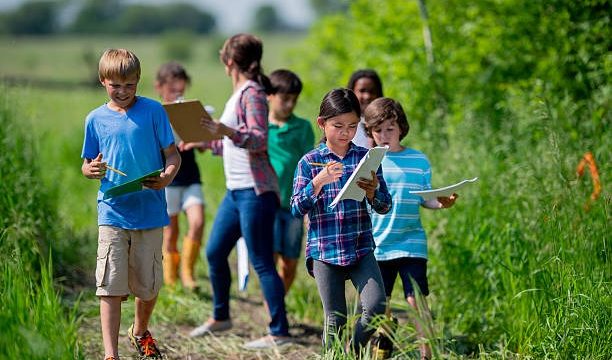
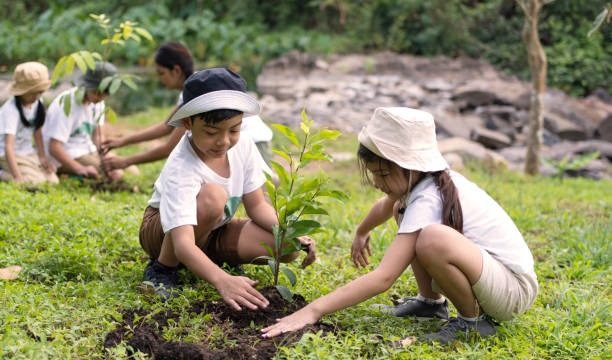
Experiential learning is another powerful tool for bridging cultural gaps. Field trips, cultural festivals, and community service projects can provide students with firsthand experiences that deepen their understanding of different cultures. For instance, visiting a local cultural center or museum can offer insights into traditions, customs, and histories that students may not encounter in textbooks. Engaging in community events allows students to interact with individuals from various backgrounds, breaking down barriers and fostering friendships.
Learning a new language can also enhance students’ appreciation of cultural contexts. Language is a gateway to understanding a culture’s values, beliefs, and traditions. Schools can offer language classes or encourage students to explore language learning apps. Even basic knowledge of a language can help students connect with others and gain insights into different ways of life. It’s a beautiful reminder that communication goes beyond words; it’s about connection and understanding.
Incorporating technology into cultural education can further enrich students’ experiences. Virtual exchanges and online cultural programs allow students to connect with peers from around the world. Through video calls, collaborative projects, and social media, students can engage with different cultures in real-time. This not only broadens their perspectives but also helps them develop a global mindset, essential for success in today’s world.
As students learn about cultural contexts, it’s important to encourage critical thinking. Discussing current events, social issues, and cultural practices can help students analyze and reflect on their own beliefs and biases. Teachers can guide discussions that challenge stereotypes and encourage students to think critically about the information they encounter. This approach nurtures a sense of responsibility and awareness, helping students become informed global citizens.
A small shift toward balance is often necessary when discussing cultural contexts. It’s essential to present a variety of perspectives and avoid portraying any culture as monolithic. Emphasizing the diversity within cultures can help students appreciate the complexity of human experiences. This can be achieved by highlighting different voices within a culture, showcasing various art forms, or discussing contemporary issues that affect particular communities.
Mentorship can play a crucial role in helping students navigate cultural contexts. Connecting students with mentors from diverse backgrounds can provide them with valuable insights and guidance. These relationships can offer students a safe space to ask questions, share experiences, and gain a deeper understanding of different cultures. Mentors can inspire students to embrace diversity and encourage them to explore their own cultural identities.
As students grow in their understanding of cultural contexts, it’s vital to celebrate their journeys. Recognizing students’ efforts to engage with different cultures can boost their confidence and motivation. Schools can create cultural appreciation days, where students showcase their learning through presentations, performances, or art displays. Celebrating these moments fosters a sense of belonging and encourages students to continue exploring the world around them.
It’s important to remember that understanding cultural contexts is an ongoing journey. Encourage students to remain curious and open-minded as they navigate the complexities of culture. This mindset not only enhances their educational experiences but also prepares them to engage in a diverse world with empathy and respect.
Ultimately, helping students understand cultural contexts is about creating a nurturing environment where curiosity and appreciation thrive. By incorporating diverse perspectives into the curriculum, encouraging open discussions, and providing experiential learning opportunities, we can guide students on their journeys toward cultural understanding. As they explore the richness of human experience, they will develop the skills and empathy needed to build bridges across cultures, fostering a more inclusive and harmonious world for all.