In a world that is increasingly interconnected, the ability to communicate in more than one language is becoming more valuable than ever.
Teaching children to be bilingual not only opens doors to new cultures and experiences but also enhances cognitive development and social skills.
One of the most effective and enjoyable ways to nurture bilingualism is through play.
Play is a natural part of childhood, serving as a vehicle for exploration and discovery. When it comes to bilingual teaching, incorporating play can make the learning process engaging and effective. Let’s explore how you can use play to foster bilingual skills in a warm and inviting way.
Creating a playful environment
The first step in using play for bilingual teaching is to create an environment that encourages exploration in both languages. This can be as simple as having bilingual books, toys, and games readily available. Consider dedicating a specific area in your home or classroom where children can immerse themselves in both languages. This space should be filled with materials that inspire curiosity, such as puzzles, storybooks, and art supplies—all labeled in both languages to facilitate learning.
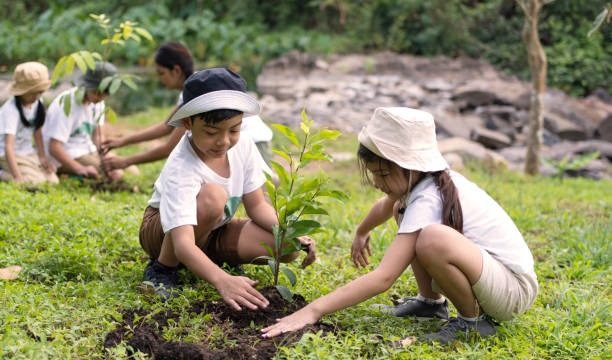
Incorporating language into everyday activities is another wonderful way to make bilingualism a part of daily life. Whether it’s cooking together, gardening, or even cleaning up, you can narrate the activities in both languages. This casual exposure helps children absorb vocabulary and phrases naturally, much like they would in a play scenario.
The magic of role play
Role play is a particularly engaging way to teach language skills. Children love to step into different roles, whether they are pretending to be a chef, a teacher, or even a character from their favorite story. You can encourage them to act out scenes in both languages, switching back and forth to reinforce vocabulary and sentence structure. For example, you might set up a pretend restaurant where they can take orders in one language and serve food in another.
This kind of imaginative play not only makes learning fun but also helps children understand context and usage. They can learn how to ask for help, express needs, or engage in simple conversations—all while having a great time. Moreover, role play allows for creativity, giving children the freedom to express themselves in both languages without the fear of making mistakes.
Games that inspire learning
Games are another fantastic way to promote bilingualism through play. Consider traditional games like charades, where children can act out words or phrases in either language, helping them build vocabulary in a stress-free environment. Board games that involve wordplay or storytelling can also be adapted for bilingual use, encouraging children to think and communicate in both languages.
Incorporating technology can further enhance this experience. There are numerous educational games and apps designed to support bilingual learning. These interactive tools can provide children with instant feedback and create a sense of achievement as they progress through different levels. Just remember to balance screen time with physical play to maintain a holistic approach.
Storytime adventures
Storytelling is a timeless method of teaching, and it becomes even more powerful when shared in two languages. Create special storytime sessions where you read books in both languages, allowing children to hear the rhythm and flow of each one. You can start with simple bilingual books that have the text side by side, making it easier for children to relate the two languages.
Encourage children to retell stories in their own words, perhaps even adding their own twists or endings. This not only fosters comprehension but also helps them practice language structure and narrative skills. If possible, invite children to illustrate their stories, providing a visual element that can aid memory retention and understanding.
Connecting through music and movement
Music and movement are universal languages that transcend cultural barriers. Singing songs in both languages can be a delightful way to teach vocabulary and pronunciation. Many children’s songs have simple, repetitive lyrics that make them easy to learn and remember. You can even create your own bilingual songs that incorporate common phrases or vocabulary words.
Dance and movement games can also reinforce language learning. As children move and play, you can call out instructions or describe actions in both languages. This not only helps them associate words with physical actions but also adds an element of fun that keeps them engaged.
Nurturing social interactions
Interaction with peers is a crucial aspect of language development. Arrange playdates or group activities where children can practice their bilingual skills with others. This social element can motivate them to use both languages more freely and confidently. Games that require teamwork or collaboration can encourage communication in both languages, further reinforcing their learning.
Consider community resources as well. Many local libraries, cultural centers, or schools offer bilingual story hours or playgroups. These can provide children with valuable opportunities to hear and practice both languages in a supportive environment.
The journey of bilingualism
As you embark on this journey of bilingual teaching through play, it’s important to remember that every child learns at their own pace. Celebrate the small victories, whether it’s a new word learned or a sentence spoken in the second language. The goal is to foster a love for learning and exploration, allowing children to embrace both languages joyfully.
In the end, using play for bilingual teaching is not just about language acquisition; it’s about building connections, exploring cultures, and nurturing creativity. As children engage in playful learning, they develop not only language skills but also the confidence to navigate a diverse world. By integrating play into bilingual education, you are providing children with a rich tapestry of experiences that will last a lifetime.
So, gather those toys, books, and games, and let the adventure begin. The world is a big place, and with the gift of bilingualism, your child will have the keys to explore it fully.