In the ever-evolving landscape of education, the concept of scaffolding instruction has emerged as a transformative approach that nurtures academic growth.
This method, which draws its inspiration from the construction world, offers a supportive framework that allows learners to build their knowledge and skills gradually.
Just as scaffolding provides a temporary structure to aid in the construction of a building, educational scaffolding provides the necessary support to help students reach new heights in their learning journey.
At its core, scaffolding instruction is about meeting students where they are and guiding them toward greater independence. It recognizes that every learner comes with a unique set of experiences, strengths, and challenges. By understanding these individual differences, educators can tailor their approaches to create an environment where all students feel valued and capable of achieving their goals.
A gentle shift toward understanding
One of the key elements of effective scaffolding is the establishment of a safe and nurturing classroom environment. When students feel comfortable expressing their thoughts and asking questions, they are more likely to engage with the material and take risks in their learning. This sense of safety fosters a culture of curiosity and exploration, allowing learners to delve deeper into subjects that interest them.
Educators can create this supportive atmosphere by encouraging open dialogue and providing constructive feedback. Instead of focusing solely on correct answers, teachers can celebrate the thought processes that lead to those answers. This approach not only promotes critical thinking but also reinforces the idea that learning is a journey filled with opportunities for growth.
The art of gradual release
A fundamental principle of scaffolding is the gradual release of responsibility from the teacher to the students. At the beginning of a lesson, educators may take a more active role, guiding students through complex concepts and modeling problem-solving strategies. As students become more comfortable with the material, teachers can gradually step back, allowing learners to take the lead in their educational experience.
This transition can be likened to teaching someone to ride a bike. Initially, a parent or mentor may hold the bike steady and provide support, but as the rider gains confidence and balance, they are encouraged to pedal on their own. In the classroom, this gradual release not only builds students’ confidence but also empowers them to become self-directed learners who can tackle challenges independently.
Connecting learning to real life
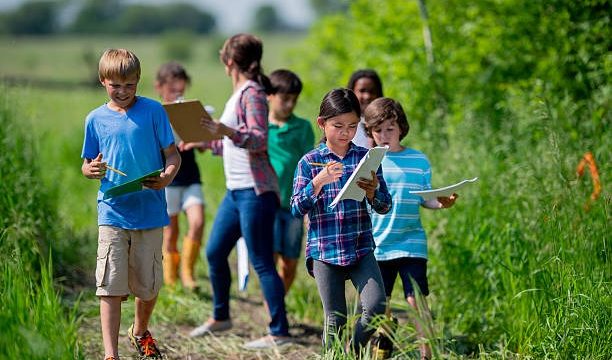
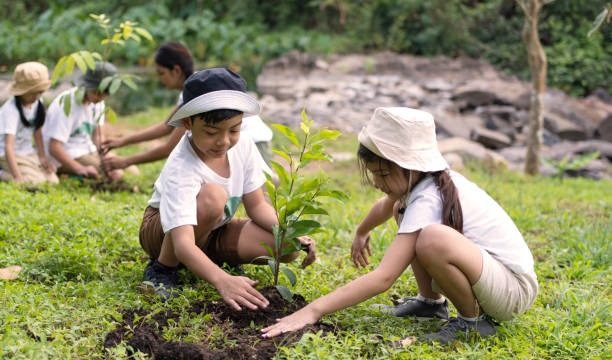
Another vital aspect of scaffolding instruction is making connections between academic content and students’ real-life experiences. When learners see the relevance of what they are studying, they are more likely to engage with the material and retain information. This can be achieved through project-based learning, where students explore topics that resonate with their interests and communities.
For instance, a science lesson on ecosystems could be enriched by having students investigate the local environment, perhaps even collaborating with local organizations to address real-world issues. By linking classroom learning to tangible experiences, educators can ignite a passion for knowledge that extends beyond the confines of the classroom.
Nurturing collaboration and community
Scaffolding instruction also emphasizes the importance of collaboration among students. Group work and peer interactions can enhance learning by allowing students to share diverse perspectives and problem-solving strategies. In these collaborative settings, learners can support each other, creating a sense of community that fosters both academic and social growth.
When students work together, they develop essential skills such as communication, empathy, and teamwork. These skills are invaluable not only in the classroom but also in life beyond school. By nurturing a collaborative spirit, educators help students understand the power of working together toward common goals.
The role of reflection
Reflection is a cornerstone of the scaffolding process. Encouraging students to take time to think about their learning experiences allows them to identify what strategies worked, what challenges they faced, and how they can improve in the future. This practice of reflection cultivates a growth mindset, where students view challenges as opportunities for learning rather than obstacles to success.
Teachers can facilitate this reflective process by incorporating journaling, discussions, or self-assessment activities into their lessons. By giving students the tools to evaluate their own progress, educators empower them to take ownership of their learning journey.
A holistic approach to growth
Ultimately, scaffolding instruction is about fostering academic growth in a holistic manner. It’s not just about improving test scores or mastering content; it’s about nurturing the whole child. This approach recognizes the emotional, social, and cognitive aspects of learning and aims to create well-rounded individuals who are prepared for the complexities of the world.
In this way, scaffolding instruction aligns with a broader understanding of education as a means of personal development. It encourages students to cultivate their interests, build strong relationships, and develop a sense of purpose. As educators embrace this philosophy, they contribute to shaping confident, capable individuals who are ready to navigate the challenges of the future.
In conclusion, scaffolding instruction is a powerful tool for promoting academic growth and fostering a love of learning. By creating a supportive environment, gradually releasing responsibility, connecting learning to real-life experiences, nurturing collaboration, and encouraging reflection, educators can guide students on a meaningful journey of discovery and development. In this nurturing atmosphere, students are not just learners; they become active participants in their own education, ready to embrace the opportunities that lie ahead.