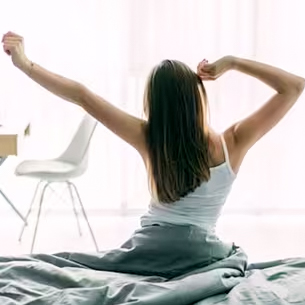
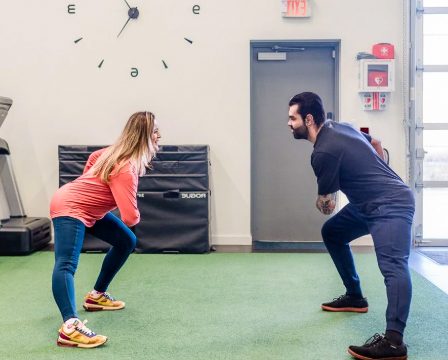
Spending time at home should be an opportunity to relax, recharge, and feel comfortable in your own space.
Yet, even in familiar surroundings, poor posture habits can develop without notice.
Slouching on the couch, leaning forward while using a tablet, or sitting in awkward positions for hours can lead to stiffness, tension, and fatigue.
Maintaining good posture at home not only supports physical comfort but also contributes to mental relaxation and overall wellness. By adopting mindful posture practices and making simple adjustments to seating and movement, anyone can create a home environment that encourages comfort and ease.
Understanding the fundamentals of good posture is essential for staying relaxed. When seated or reclining, the spine should maintain its natural curves. The lower back retains a gentle inward curve, while the upper back has a slight outward curve. Shoulders remain relaxed, and the head sits comfortably over the shoulders, avoiding a forward tilt. Feet should rest flat on the floor or on a supportive surface, and hips should remain level to prevent slumping. Even while relaxing, awareness of these principles helps prevent unnecessary strain and supports long-term comfort.
Choosing the right seating is a cornerstone of relaxed home posture. Sofas, chairs, and even recliners should support the natural curves of the spine. Adding cushions or lumbar supports behind the lower back maintains alignment and reduces pressure. Seat height and depth should allow the body to rest comfortably without causing the knees or hips to bend awkwardly. When lounging, using pillows to support the head or arms helps prevent shoulder tension. Thoughtful seating choices allow the body to remain upright or slightly reclined in a way that encourages both comfort and natural alignment.
Reclining slightly can aid relaxation while supporting posture. Leaning back at a gentle angle reduces the load on the lower back and allows muscles to rest without collapsing into a slouched position. Keeping the feet flat on the floor or elevated slightly with a footrest or cushion helps distribute weight evenly. Even when lying down, maintaining alignment with supportive pillows under the neck and knees prevents tension in the back and hips. A home environment that allows for slight reclining encourages both comfort and postural awareness.
Engaging core muscles subtly while seated or reclining helps maintain posture naturally. Core engagement does not mean sitting rigidly; instead, it involves gently activating the abdominal and lower back muscles to support the spine. This practice prevents muscles from tiring and helps the body hold alignment effortlessly. Over time, subtle core engagement during relaxation strengthens postural muscles and reduces the likelihood of stiffness or fatigue after long periods of sitting or lying down.
Foot positioning and leg support influence relaxation and alignment. Crossing legs for prolonged periods, keeping feet dangling, or sitting in asymmetrical positions can create tension in the hips and lower back. Keeping both feet flat on a stable surface or elevating the legs slightly encourages neutral alignment. Footrests, cushions, or ottomans can provide additional support, allowing the body to remain relaxed without compromising posture. Proper leg positioning supports comfort while preventing strain in the lower back and hips.
Movement is essential even when relaxing at home. Remaining static for long periods can cause muscles to stiffen and circulation to slow. Gentle stretches, light rotations of the shoulders and neck, or short walking breaks between periods of sitting or lounging restore energy and release tension. Even brief movements help maintain flexibility and comfort, making it easier to sustain relaxed, upright posture. Incorporating movement into home routines enhances both physical comfort and mental ease.
Mindful breathing reinforces relaxation and supports posture. Slouched or tense positions often lead to shallow breathing, which can reduce oxygen flow and increase fatigue. Focusing on deep, steady breaths encourages the chest to open naturally, engages the core lightly, and promotes an upright or balanced reclining posture. Mindful breathing also helps release tension from the shoulders, neck, and back, creating a sense of calm that complements posture awareness.
Work and leisure activities at home influence posture as well. Using a laptop, tablet, or phone for long periods often encourages forward-leaning or hunching. Placing devices at eye level, using supportive stands, or sitting with the device on a table instead of the lap helps maintain a neutral head and shoulder position. Whether reading, typing, or browsing, positioning materials to support alignment reduces strain and makes relaxation more sustainable.
Incorporating ergonomic aids enhances comfort without compromising the relaxed environment. Small pillows, lumbar rolls, supportive cushions, and adjustable laptop stands help maintain posture while sitting or reclining. These tools allow the body to rest while supporting spinal curves, shoulders, and neck. Ergonomic accessories make it easier to relax fully while ensuring that posture remains balanced and natural.
Stretching key areas of the body further supports relaxation. Gentle stretches for the chest, shoulders, hip flexors, and back relieve tension that develops during prolonged sitting or lounging. Performing stretches periodically, even while watching television or reading, prevents stiffness and enhances comfort. Stretching complements posture practices, creating a more enjoyable and sustainable relaxation experience.
Mental awareness enhances the physical benefits of good posture at home. Fatigue, stress, or distraction can lead to slouching or tension even in comfortable settings. Checking in with the body, noticing areas of discomfort, and adjusting alignment reinforces awareness and helps maintain relaxation without strain. Over time, mindful attention to posture becomes habitual, allowing the body to settle naturally into comfortable and supported positions.
Hydration and light snacks contribute indirectly to comfort and posture. Dehydration or low energy can cause fatigue, which may lead to slumping or loss of alignment. Drinking water regularly and consuming small, balanced snacks support energy levels and make it easier to maintain relaxed, upright posture. General wellness practices complement posture awareness, enhancing the overall sense of ease at home.
In conclusion, staying relaxed at home does not mean neglecting posture. Maintaining spinal alignment, supporting the lower back, positioning feet correctly, engaging the core subtly, and allowing for gentle movement all contribute to comfort and long-term well-being. Mindful breathing, ergonomic aids, and proper device placement further reinforce healthy alignment while creating a calming environment.
Good posture at home promotes physical ease, mental relaxation, and energy conservation. Each conscious adjustment and supportive habit contributes to a balanced, comfortable, and sustainable posture. By combining awareness, proper seating, movement, and relaxation practices, anyone can create a home environment that nurtures both the body and mind. Maintaining posture while relaxing ensures that comfort does not come at the cost of strain, allowing the body to rest fully while remaining healthy and supported.