Carrying children is one of the most rewarding experiences for parents and caregivers, but it can also present challenges for the body.
Whether lifting toddlers, holding infants, or supporting older children during long walks, poor posture can lead to back strain, shoulder tension, and fatigue.
Developing safe and mindful habits for carrying children not only protects the caregiver’s body but also allows children to feel secure and comfortable.
By combining awareness, proper technique, and simple adjustments, it is possible to carry children safely while maintaining good posture.
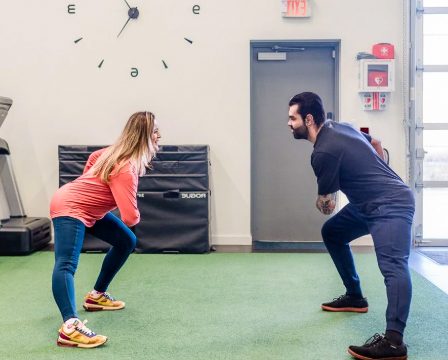
The foundation of safe carrying begins with body awareness. Before lifting a child, take a moment to notice your stance, the position of your feet, and how your weight is distributed. Standing with feet hip-width apart provides a stable base, while slightly bending the knees allows the legs to support the lift rather than straining the back. Engaging the core muscles gently helps stabilize the spine and provides balance. Awareness of your body’s alignment is the first step in protecting your posture and making the lift smooth and controlled.
When picking up a child, it is important to use the legs rather than the back. Squatting or bending at the knees while keeping the spine neutral prevents excessive forward rounding that can stress the lower back. Holding the child close to the chest reduces leverage strain and improves control. Bringing the child toward your center of gravity allows your body to carry the weight efficiently, reducing fatigue in the arms and shoulders. A mindful lift ensures that both caregiver and child are supported safely.
The position of the child in your arms influences posture and comfort. Supporting the child’s bottom with one hand while gently cradling the back or torso with the other creates stability. For infants, holding them high on the chest or shoulder provides secure support while maintaining upright alignment. For toddlers, using a hip carry allows one leg to straddle your hip while the child sits securely, keeping their weight close to your body. Adjusting the position to match the child’s size and needs helps maintain your own posture while keeping the child comfortable.
Carrying aids can be helpful tools for maintaining good posture. Baby carriers, slings, and backpacks distribute weight evenly across the shoulders and torso, reducing localized strain. Choosing a carrier that provides support for both the child and caregiver ensures that weight is balanced, allowing the spine to remain neutral and the shoulders relaxed. Proper adjustment of straps and seating positions in carriers is key to avoiding tension and promoting comfort during extended carrying periods.
Frequent changes in carrying positions reduce fatigue and support posture. Switching the child from one arm to the other, alternating between hip carry and chest carry, or taking brief breaks to hold the child in a seated or supported position allows muscles to rest and recover. These micro-adjustments prevent overuse of specific muscle groups and encourage balanced engagement of the core, arms, and back. Movement variety helps maintain energy and reduces discomfort for both caregiver and child.
Breathing while carrying is often overlooked but essential. Deep, steady breaths engage the diaphragm and core, helping to stabilize the torso and support upright posture. Many caregivers unconsciously hold their breath when carrying children, which can lead to increased tension in the shoulders and back. Focusing on relaxed, mindful breathing allows the body to remain calm and responsive while carrying, reducing fatigue and enhancing overall comfort.
Posture awareness during daily tasks while holding a child is equally important. Whether bending to pick up toys, reaching for items, or walking around the house, maintaining a neutral spine and soft knees protects the back. Avoid twisting the torso abruptly or leaning forward excessively. Instead, pivot with your feet, bend from the knees, and adjust the child’s position as needed. Conscious adjustments in posture prevent strain and create safer habits over time.
Strengthening key muscles supports caregivers in carrying children safely. Core muscles, including the abdominals and lower back, provide stability, while shoulder and arm muscles handle the weight efficiently. Gentle exercises such as standing leg lifts, shoulder rolls, and light resistance work improve endurance and support posture. Strengthening muscles gradually enhances the ability to carry children without compromising alignment, making daily activities more comfortable and sustainable.
Stretching after carrying children helps relieve tension and maintain flexibility. Gentle chest openers, shoulder stretches, and back extensions release tight muscles accumulated from lifting and holding. Even brief stretches performed while the child plays nearby or during a break in the day can prevent stiffness and reinforce proper posture. Incorporating stretching into routine activities keeps the body limber, reducing discomfort and maintaining overall alignment.
Mindful walking while carrying children improves balance and safety. Engaging the core, keeping the child close, and maintaining an upright stance allows for smooth, controlled movement. Avoid leaning too far forward or backward, which can destabilize both caregiver and child. Paying attention to foot placement, surface conditions, and surroundings enhances stability, ensuring a safe and comfortable experience for both parties.
Using visual and mental cues can support safe posture while carrying. Imagining the spine as a tall column, the shoulders relaxed and down, and the child’s weight centered over the hips helps maintain awareness. Mental reminders to breathe, soften the shoulders, and engage the core provide consistent feedback to the body. Visualization reinforces alignment, helping posture become more automatic over time.
Environmental adjustments contribute to safe carrying habits. Keeping commonly used items within easy reach, avoiding cluttered floors, and providing supportive seating when needed reduces the need for awkward bending or stretching. A safe, organized space allows caregivers to move freely while maintaining upright alignment, decreasing the risk of strain or injury.
Patience and mindfulness are essential components of posture practice when carrying children. Recognize that fatigue is natural and that small breaks or position adjustments are part of safe habits. Consistency in posture awareness and mindful carrying over time strengthens both the body and confidence. By approaching carrying tasks with intention and care, caregivers can protect their posture while providing comfort and security to children.
Ultimately, carrying children safely requires a combination of awareness, alignment, strength, and mindful movement. Small, intentional adjustments in stance, lifting technique, and weight distribution significantly reduce strain on the back, shoulders, and arms. By integrating posture-conscious practices into daily routines, caregivers support their own health while ensuring children are held securely and comfortably.
Through mindful habits, stretching, strengthening, and thoughtful positioning, posture confidence while carrying children grows naturally. Each lift, step, and adjustment reinforces alignment, balance, and stability, making daily caregiving both safe and enjoyable. By paying attention to the body and practicing these gentle techniques, caregivers can maintain comfort and confidence, creating a nurturing environment for both themselves and the children they care for.