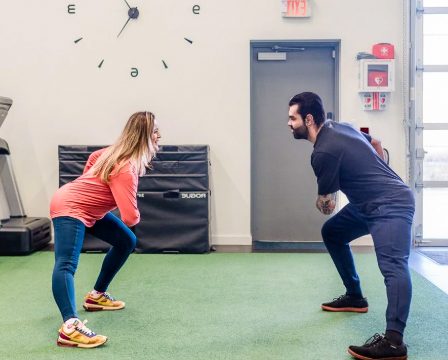
Household chores are a part of daily life that often go unnoticed in terms of physical strain.
Tasks like washing dishes, vacuuming, laundry, cooking, and tidying up may seem simple, but they involve repetitive movements, prolonged standing, and bending that can affect posture over time.
Maintaining a relaxed posture while performing chores is essential for reducing fatigue, preventing muscle strain, and keeping the body aligned and comfortable.
By adopting mindful habits and gentle techniques, household tasks can be completed efficiently without unnecessary tension or discomfort.
The foundation of relaxed posture during chores begins with awareness of body alignment. Many people unconsciously round their shoulders, tilt the head forward, or arch the lower back while completing daily tasks. Checking in with the body and making small adjustments helps maintain a natural spinal curve. Keeping the shoulders back and down, engaging the core lightly, and balancing the weight evenly across the feet creates a stable foundation. Proper alignment not only reduces muscle tension but also makes movements more efficient and less tiring.
Foot positioning plays an important role in maintaining relaxed posture. When standing to wash dishes, fold laundry, or cook, distributing weight evenly on both feet prevents unnecessary strain on the lower back and hips. Avoid locking the knees or shifting weight excessively to one leg, as this can lead to imbalance and fatigue. Slightly bending the knees while keeping the feet grounded provides stability and supports a relaxed, upright stance. Small adjustments in foot positioning can significantly improve comfort during chores.
Engaging the core muscles subtly while performing tasks protects the lower back and supports alignment. Activating the abdominal muscles lightly helps maintain an upright posture without stiffening the body. Whether lifting laundry baskets, reaching for shelves, or bending to pick up items, a strong but relaxed core ensures that the spine remains supported and movements are efficient. Over time, this habit strengthens the muscles that maintain posture and reduces the likelihood of slouching or overcompensation.
Bending and reaching with awareness prevents tension. Instead of hunching over counters or bending only at the waist, bend the knees slightly and hinge from the hips. When reaching for items on high shelves, use a stable step stool rather than overstretching or leaning forward. These small adjustments protect the spine, shoulders, and neck while keeping movements smooth and relaxed. Proper bending and reaching techniques also minimize fatigue, allowing household chores to feel less strenuous.
Using ergonomically friendly tools can enhance relaxed posture. Lightweight vacuum cleaners, adjustable mop handles, and comfortable kitchen utensils reduce the need for awkward positions and excessive force. Tools that are easy to grip and handle encourage smooth, fluid movements and prevent unnecessary tension in the wrists, shoulders, and back. Even small changes in equipment can make a noticeable difference in how relaxed and comfortable tasks feel.
Micro-breaks and stretching during chores support posture and comfort. Pausing briefly to roll the shoulders, stretch the arms, or release tension in the neck keeps muscles from tightening. Gentle stretches for the chest, shoulders, and lower back counteract repetitive movements and bending. Incorporating these small moments of relief prevents stiffness from accumulating and ensures that the body remains aligned throughout the day. Stretching while cleaning or cooking can be as simple as reaching overhead, opening the chest, or turning the torso gently.
Breathing deeply and consciously during household tasks also promotes relaxation. Shallow or rapid breathing often accompanies tension and can contribute to fatigue. By taking slow, diaphragmatic breaths, the chest and abdomen remain engaged, and the body can stay relaxed even during repetitive chores. Conscious breathing encourages better circulation, reduces muscle tightness, and enhances the overall sense of ease while performing tasks.
Pacing oneself prevents overexertion and supports relaxed posture. Many people rush through chores, which often leads to hunched shoulders, stiff muscles, and strain. Breaking tasks into manageable segments, taking brief rests, and moving at a steady rhythm allows muscles to remain relaxed and the spine supported. Mindful pacing also creates a sense of flow, making chores feel less like a chore and more like a series of achievable, comfortable actions.
Carrying items correctly is essential for relaxed posture. Lifting laundry baskets, grocery bags, or storage containers improperly can lead to rounded shoulders or a strained lower back. Distribute weight evenly, hold items close to the body, and bend the knees rather than the back when lifting. Conscious handling of loads reduces tension and encourages upright alignment, allowing muscles to work efficiently without fatigue.
Seated tasks, such as folding laundry or peeling vegetables, also benefit from relaxed posture habits. Sit on a supportive chair with feet flat on the floor, back upright, and shoulders relaxed. Avoid leaning forward excessively or hunching over the task. Small adjustments, such as using a cushion for lower back support or keeping items within comfortable reach, can make seated chores more comfortable and reduce strain.
Incorporating gentle mobility exercises into the routine enhances comfort while performing household chores. Simple movements that open the chest, rotate the shoulders, or stretch the spine prepare the muscles for activity and help maintain a relaxed, aligned posture throughout tasks. For example, shoulder rolls between vacuuming sessions or torso twists after washing dishes can keep muscles loose and promote natural alignment.
Hydration and energy management indirectly affect posture during chores. Proper hydration keeps muscles flexible and joints lubricated, while balanced meals provide energy for sustained activity. Feeling tired or dehydrated often encourages slouching, stiff muscles, or poor posture. Staying nourished and hydrated helps maintain upright, relaxed positioning during daily tasks.
Mindful habits also extend to multitasking and transitions between chores. When moving from one task to another, such as lifting laundry after finishing dishes or carrying groceries into the kitchen, taking a moment to reset posture can prevent cumulative strain. Pausing to stand tall, adjust shoulders, and engage the core before starting the next activity ensures the body remains relaxed and aligned throughout the day.
Finally, patience and consistency are key in developing relaxed posture habits. It takes time for the body to adjust to new movement patterns and for muscles to respond effectively. Regularly practicing awareness, proper bending and reaching, core engagement, stretching, breathing, and mindful pacing builds lasting habits. Over time, maintaining relaxed posture during household chores becomes automatic, reducing tension and increasing comfort.
In conclusion, household chores do not need to be a source of fatigue or discomfort. By focusing on awareness, spinal alignment, core engagement, proper bending and lifting, ergonomic tools, micro-breaks, breathing, and pacing, chores can be performed with ease and comfort. Even seated tasks benefit from upright, supported posture, while hydration, energy management, and mindful transitions enhance overall alignment.
Incorporating these simple techniques consistently allows the body to remain relaxed, muscles to support proper alignment, and joints to move efficiently. Over time, household chores become less taxing, posture improves, and everyday movements feel natural and comfortable. By approaching chores with mindfulness and intention, it is possible to complete daily tasks with minimal strain while supporting long-term health and well-being.