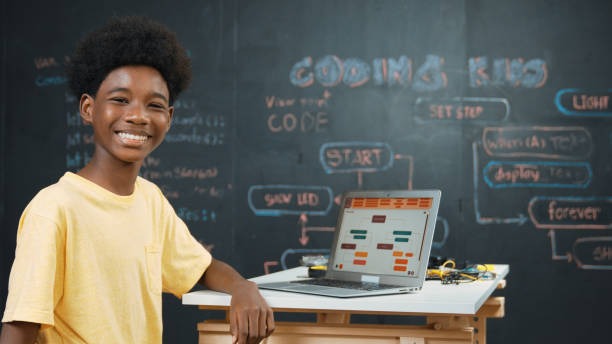
In today’s fast-paced digital world, coding is becoming a fundamental skill for children, much like reading and writing.
Introducing coding to young minds can be an exciting journey, filled with creativity and problem-solving.
It’s an opportunity to empower children to express their ideas through technology, creating a pathway for innovation and understanding in a tech-driven society. The beauty of coding lies in its ability to be both educational and fun. Here, we explore some easy coding exercises that can ignite a spark of interest in children and help them develop a love for technology.
A gentle introduction to coding can start with simple and engaging exercises. One of the most delightful ways to introduce coding concepts is through storytelling. Children have vivid imaginations, and weaving coding into their favorite stories can make the learning process feel like a natural extension of their play. For instance, you can ask them to create a simple story using a coding platform like Scratch. They can design characters, write dialogues, and even animate their stories. This not only teaches them the basics of programming but also enhances their creativity and narrative skills.
As children engage with coding, they often discover the joy of building something from scratch. A small project that can be both simple and rewarding is designing a basic game. Platforms like Scratch offer user-friendly interfaces where children can drag and drop coding blocks to create interactive experiences. Encourage them to think about the game’s theme, rules, and characters. This exercise nurtures critical thinking and problem-solving skills as they learn to troubleshoot and refine their ideas.
Another gentle approach to coding is through robotics. Many educational kits are available that allow children to build and program their own robots. These kits often come with user-friendly software that guides them through the process. As they assemble their robots and program them to perform tasks, children gain hands-on experience with coding while also learning about engineering and design principles. This tactile experience can be incredibly fulfilling and can foster a deeper understanding of how technology works.
Incorporating coding into everyday activities can also be a fun way to engage children. For instance, you can turn cooking into a coding exercise by asking them to follow a recipe as if it were a coded instruction manual. Each step can be seen as a command, teaching them the importance of sequencing and logical thinking. This method not only makes coding relatable but also enriches their understanding of how systems function in daily life.
Exploring coding through art is another delightful avenue. Children can use coding to create digital art, allowing them to combine creativity with technology. Platforms like Tynker or Code.org provide tools that enable children to draw and animate with code. Encouraging them to experiment with colors, shapes, and movements can lead to a beautiful intersection of creativity and technical skills. This approach not only boosts their confidence but also reinforces the idea that coding is a tool for self-expression.
As children dive deeper into coding, introducing them to concepts like algorithms can be both enlightening and enjoyable. A fun exercise could involve creating a treasure hunt where they must write down the steps to find a hidden object. This exercise can help them understand the importance of clear instructions and logical sequences, mirroring the way algorithms function in programming. It’s a playful way to reinforce critical thinking while fostering a sense of adventure and curiosity.
A small shift toward balance can be achieved by integrating coding with collaborative projects. Encourage children to work together on coding exercises, whether it’s building a game, creating an animated story, or even developing a simple website. Collaboration fosters communication skills and teamwork while allowing them to learn from each other. This social aspect of coding can make the experience more enjoyable and less isolating, reinforcing the idea that technology can bring people together.
As the journey of learning to code unfolds, it’s essential to celebrate the small victories. Each completed project, no matter how simple, deserves recognition. This positive reinforcement can motivate children to continue exploring and learning. Encourage them to share their projects with family and friends, creating a supportive environment where they feel proud of their accomplishments. This sense of achievement can significantly boost their confidence and enthusiasm for coding.
While the world of coding can seem daunting, it’s important to approach it with a sense of playfulness and curiosity. The key is to keep the exercises light-hearted and enjoyable, allowing children to explore at their own pace. As they engage with coding, they will inevitably face challenges, but these moments can be valuable learning experiences. Encourage them to embrace mistakes as opportunities for growth, fostering a mindset that values persistence and resilience.
In conclusion, easy coding exercises for children can be a delightful blend of creativity, problem-solving, and fun. By integrating coding into storytelling, robotics, everyday activities, art, and collaborative projects, we can create a rich learning environment that nurtures young minds. This journey not only equips them with essential skills for the future but also encourages a love for technology and innovation. As we guide them through this exciting landscape, let’s remember to celebrate their achievements, no matter how small, and foster a lifelong passion for learning.