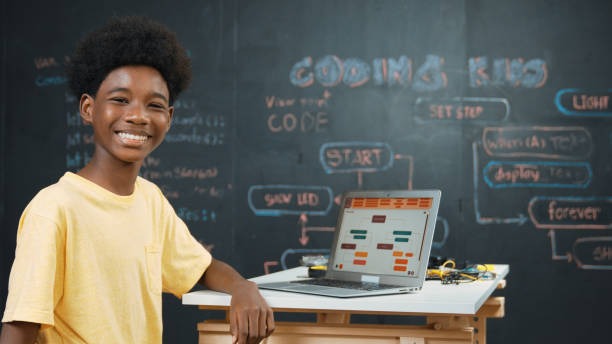
In today’s digital age, coding has become an essential skill, not just for tech enthusiasts but for everyone.
Introducing children to coding at a young age can be a delightful journey filled with creativity and exploration.
It’s not just about learning a new language; it’s about developing problem-solving skills, encouraging logical thinking, and nurturing a sense of accomplishment. Let’s explore some simple and fun coding lessons that can spark curiosity and joy in young minds.
A gentle introduction to coding can begin with the concept of play. Children are naturally drawn to games and interactive experiences, so why not harness that enthusiasm? There are numerous platforms designed specifically for kids, offering engaging activities that make learning to code feel less like a chore and more like a game. Websites like Scratch provide a vibrant environment where children can create their own animations and stories. By dragging and dropping visual blocks, they can see instant results, which keeps them motivated and excited.
As children immerse themselves in these coding environments, they learn the basics of programming without even realizing it. They start to understand sequences, loops, and events, which are foundational concepts in coding. This playful approach allows them to experiment freely, leading to a deeper understanding of how coding works. The joy of creating their own projects fosters a sense of ownership and pride, encouraging them to explore further.
Incorporating storytelling into coding lessons can enhance the experience even more. Children love stories, and combining narrative with coding can lead to captivating projects. For instance, they can craft their own interactive story using code, where choices made by the user affect the outcome. This not only hones their coding skills but also sharpens their creativity and critical thinking. The ability to weave a narrative while coding can transform the way they perceive both storytelling and technology.
Another delightful way to introduce coding is through robotics. Many children are fascinated by robots, and using them as a medium for learning can be incredibly effective. Simple robot kits, which are often designed for beginners, allow children to build and program their own robots. This hands-on experience provides a tangible connection between coding and real-world applications. Watching a robot respond to their commands can be an exhilarating moment, reinforcing their understanding of cause and effect.
As children delve into coding, it’s also essential to create a supportive environment. Encouragement and patience from parents or educators can significantly impact a child’s learning journey. When they encounter challenges, having someone to guide them through problem-solving can make all the difference. Celebrating small victories—like successfully completing a project or debugging a piece of code—can boost their confidence and inspire them to take on more complex tasks in the future.
The beauty of coding lies in its accessibility. With countless free resources available online, children can learn at their own pace. Platforms like Code.org offer engaging activities tailored for various age groups. These lessons often feature popular characters and themes, making learning even more enjoyable. By exploring these resources, children can discover their interests and delve deeper into specific areas of coding, whether it’s game development, web design, or even animation.
In addition to online platforms, there are many offline activities that can foster coding skills. Consider organizing coding clubs or workshops where children can collaborate on projects. These social interactions not only make learning fun but also help them develop teamwork and communication skills. Working together, they can share ideas, troubleshoot problems, and celebrate each other’s successes. The camaraderie built in these settings can create lasting friendships and a supportive community around coding.
As the world becomes increasingly digital, coding has the potential to empower children in ways we may not fully grasp yet. It encourages them to think critically, approach problems creatively, and express themselves through technology. By introducing coding through fun and simple lessons, we can help shape a generation of innovators and thinkers who are comfortable navigating the digital landscape.
Fostering a love for coding can also lead to an appreciation for other subjects. Many coding concepts overlap with mathematics, logic, and even art. As children learn to code, they may find themselves more engaged in their math classes, as they see the practical applications of what they’re learning. Similarly, coding can inspire artistic expression, as they design graphics or animations. This interconnectedness can enrich their overall educational experience, making learning feel more holistic and relevant.
As we guide children on this coding journey, it’s essential to remind them that it’s okay to make mistakes. In fact, mistakes are a valuable part of the learning process. Each error offers an opportunity to learn and grow. Encouraging a growth mindset will help them remain resilient and curious, traits that will serve them well in all areas of life.
In conclusion, coding can be a wonderful adventure for children, filled with fun, creativity, and discovery. By introducing simple and engaging lessons, we can ignite their passion for technology and empower them with skills that will be invaluable in the future. Whether through games, storytelling, robotics, or collaborative projects, the possibilities are endless. Let’s nurture their curiosity and watch them flourish in this exciting digital world.