In today’s fast-paced world, where technology permeates every aspect of our lives, coding has become an essential skill.
But when it comes to teaching coding to kids, many parents feel daunted by the intricacies of programming languages.
The good news is that introducing coding to children can be both simple and fun.
By creating a playful learning environment, we can help kids embrace coding as a creative outlet rather than a daunting task.
The beauty of coding lies in its ability to foster problem-solving skills, creativity, and logical thinking. When children engage with coding, they are not just learning how to communicate with computers; they are also developing a mindset that encourages exploration and innovation. The journey into coding can be a delightful adventure, filled with curiosity and excitement.
One of the best ways to introduce coding to kids is through interactive games and apps designed specifically for young learners. There are numerous platforms that transform coding into a playful experience. Through colorful graphics and engaging storylines, children can learn programming concepts without even realizing they’re doing so. For instance, platforms like Scratch allow kids to create animated stories and games by snapping together blocks of code, making the process feel like assembling a puzzle.
Encouraging creativity is key to making coding appealing. When children see coding as a means to bring their ideas to life, they become more invested in the learning process. It’s important to create opportunities for them to express themselves through their projects. Whether it’s designing a simple game, crafting an animated short film, or building a website, the possibilities are endless. By fostering a space where their creativity can flourish, we help them connect with coding on a deeper level.
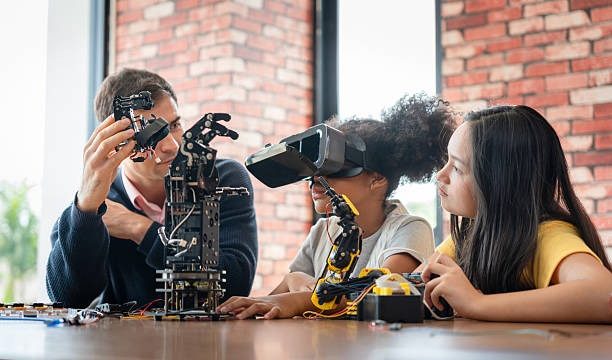
A gentle introduction to coding concepts can also take place outside of screens. Activities such as coding games using everyday objects can be a fun way to grasp fundamental ideas. For example, using colored cards to represent different commands can help children understand sequencing and loops. Picture a small group of kids working together to create a “human robot” that follows a series of instructions based on the cards they hold. This kinesthetic approach not only makes learning enjoyable but also reinforces teamwork and communication skills.
As children begin to grasp the basics, it’s important to celebrate their progress, no matter how small. Each step forward should be acknowledged, as this builds confidence and encourages further exploration. Sharing their creations with friends and family can be a great way to reinforce their achievements. When kids see others excited about their work, it motivates them to continue learning and experimenting with coding.
Finding a community can also enhance the coding experience for kids. Many local libraries and community centers offer coding workshops or clubs where children can collaborate with peers. Engaging with others who share similar interests can lead to lasting friendships and inspire new ideas. Additionally, online forums and coding challenges can connect young coders with a broader community, allowing them to share projects and receive feedback from others around the globe.
While coding can be a powerful learning tool, it’s essential to maintain a balanced approach. Encouraging kids to take breaks and engage in other activities is crucial. Balance allows their minds to recharge, fostering a sense of well-being. When children are not overwhelmed by screens, they can come back to coding with fresh perspectives and renewed enthusiasm.
As parents and educators, we can also model a positive attitude towards learning and exploring technology. Sharing our own experiences with coding, whether it’s a personal project or simply discussing tech trends, can inspire children to view coding as a lifelong learning journey. By demonstrating curiosity and a willingness to learn, we encourage them to embrace challenges and persist through difficulties.
Incorporating coding into everyday life can be a seamless process. Simple tasks, such as following a recipe or organizing a room, can be viewed through a coding lens. Discussing the steps involved in these activities helps children understand the importance of sequencing and logic. This practical application of coding concepts reinforces their relevance, making the learning experience more relatable.
As children grow more comfortable with coding, introducing them to more complex concepts can be done gradually. Programming languages like Python are user-friendly and offer a gentle transition into more advanced coding. There are numerous resources available, including online tutorials and interactive coding platforms that cater to various age groups. This progression should feel organic, aligning with their interests and passions.
Ultimately, the goal of teaching coding to kids is not just about developing technical skills but also nurturing a mindset of curiosity, resilience, and creativity. By creating a supportive environment that celebrates exploration, we empower children to embrace challenges and think critically. As they learn to code, they are not only acquiring a valuable skill but also developing a sense of confidence that will serve them well in all aspects of life.
As we guide children on their coding journey, let us remember to keep it light and enjoyable. Encouraging a sense of playfulness allows them to engage fully with the process, making learning a joyful experience. Whether they’re building games, creating art, or solving puzzles, coding can become a cherished part of their childhood, opening up a world of possibilities. Through this journey, we can help shape future innovators, thinkers, and creators who will continue to push the boundaries of what technology can achieve.