In a world increasingly driven by technology, teaching kids coding is becoming an essential skill rather than just a fun pastime.
However, the challenge often lies in making coding accessible and enjoyable for children.
By incorporating playful ideas into the learning process, we can transform coding from a daunting concept into an engaging adventure.
A gentle introduction to coding can start with the simplest concepts. Children are naturally curious and often learn best through exploration and play. This is where creativity can flourish. For instance, using storytelling as a medium can ignite a child’s imagination while introducing them to coding principles. Imagine a scenario where kids create their own interactive story, where they can dictate the actions of characters through code. This not only makes coding relatable but also encourages them to think critically about cause and effect.
To make this playful approach even more engaging, consider using tools that allow for visual coding. Platforms like Scratch provide a user-friendly interface where children can drag and drop code blocks to animate characters and create games. This method helps demystify the coding process, as it allows kids to see immediate results from their actions. The sense of accomplishment that comes from seeing their ideas come to life can be incredibly motivating.
Incorporating physical play into coding lessons can also enhance the learning experience. Activities like coding games that require movement can help reinforce concepts in an enjoyable way. For example, creating an obstacle course where children must navigate through challenges using simple coding commands can be a fun and interactive way to teach sequencing and problem-solving. This not only helps kids grasp coding logic but also promotes physical activity and teamwork.
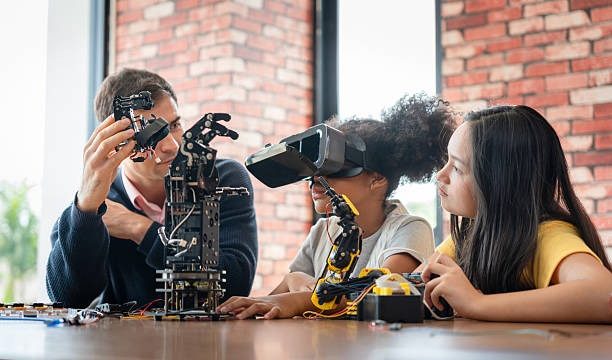
As children become more comfortable with coding basics, introducing them to robotics can seamlessly blend play and learning. Building and programming robots allows kids to see the tangible results of their coding efforts. Many kits are available that guide children through building their own robots, which they can then program to perform tasks. This hands-on experience can be exhilarating, as they witness their creations come to life through their own coding.
A small shift toward balance can also be achieved by integrating coding into everyday activities. Consider turning routine tasks into coding challenges. For instance, if a child enjoys cooking, you can frame a simple recipe as a coding exercise. Have them write out the steps in a coding format, emphasizing sequencing and logic. This approach not only reinforces coding concepts but also highlights the relevance of coding in daily life, making it feel less like a chore and more like a fun challenge.
Engaging with coding through art is another delightful way to inspire creativity. Platforms that combine coding with artistic expression, such as Tynker or Code.org, allow children to create visually stunning projects while learning to code. They can design animations, interactive stories, or even digital artwork. This fusion of art and technology can be particularly appealing, as it encourages children to express themselves while developing technical skills.
As parents or educators, creating a supportive environment is crucial. Encouragement and praise can go a long way in fostering a child’s confidence in coding. Celebrate small victories, whether it’s mastering a new concept or completing a project. This positive reinforcement creates a safe space for children to explore, experiment, and occasionally fail, which is an essential part of the learning process.
Moreover, involving other family members in coding activities can enhance the experience. Family coding nights can be a fun way to bond while learning together. Engage in collaborative projects, where everyone contributes ideas and skills. This not only makes coding a shared experience but also demonstrates the importance of teamwork and communication in problem-solving.
As you navigate the world of coding with your children, remember that the journey is just as important as the destination. Emphasizing the fun in learning can cultivate a lifelong love for technology and innovation. Encourage curiosity, exploration, and creativity, and you’ll find that coding can open up a world of possibilities for young minds.
In conclusion, teaching kids coding through playful ideas can transform a complex subject into an exciting adventure. By integrating storytelling, physical play, robotics, and art into the learning process, we can inspire creativity and critical thinking. Creating a supportive environment, celebrating small victories, and involving family can further enrich the coding experience. Ultimately, the goal is to spark a passion for learning and innovation that extends beyond the screen. In a rapidly evolving digital landscape, equipping children with coding skills through play can empower them to become the creators of tomorrow.