Creating Individualized Education Plans That Reflect Student Strengths
In the world of education, the focus often shifts toward standardized testing, curriculum benchmarks, and uniform assessments.
However, what if we took a step back and considered a more personalized approach? Individualized Education Plans (IEPs) provide a unique opportunity to tailor learning experiences to the strengths and needs of each student.
This approach not only fosters academic growth but also nurtures emotional and social well-being, creating a more holistic educational experience.
Understanding the essence of an IEP is essential. At its core, an IEP is a blueprint designed to support students with disabilities or learning differences. It outlines specific educational goals, accommodations, and services tailored to meet a student’s unique needs. However, the process of creating an IEP can sometimes feel overwhelming, both for educators and families. The key to success lies in shifting the focus from deficits to strengths, allowing each student’s individuality to shine through.
Recognizing strengths is the first step in this journey. Every child comes with a unique set of talents, interests, and abilities. By identifying and celebrating these strengths, educators can foster a sense of confidence and motivation in students. For instance, a student who excels in visual arts might benefit from integrating creative projects into their learning objectives. Similarly, a child with a knack for storytelling could thrive in a language arts curriculum that emphasizes narrative exploration.
It’s important to engage in open dialogue with families, as they often hold valuable insights into their child’s strengths and interests. Listening to parents can reveal hidden talents and passions that may not be immediately apparent in a classroom setting. This collaborative approach not only enriches the IEP but also strengthens the partnership between home and school, creating a supportive network for the student.
A small shift toward balance
While acknowledging strengths is vital, it’s equally important to address areas where students may face challenges. However, this doesn’t mean focusing solely on weaknesses. Instead, educators can frame these challenges as opportunities for growth. For example, if a student struggles with reading comprehension, the IEP can incorporate strategies that leverage their strengths. Perhaps they could engage with the material through visual aids or hands-on activities that make the content more accessible and enjoyable.
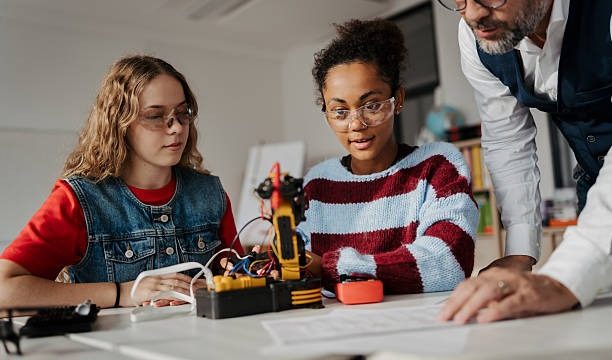
Moreover, incorporating various learning modalities can enhance engagement. Some students thrive in a hands-on learning environment, while others may excel with auditory or visual methods. By diversifying instructional strategies within the IEP, educators can create a rich tapestry of learning experiences that cater to different preferences. This not only accommodates individual needs but also fosters a sense of belonging and acceptance in the classroom.
Creating a supportive environment also extends beyond academic strategies. Social-emotional learning plays a crucial role in a student’s overall development. Integrating social skills training into the IEP can help students navigate their interactions with peers, fostering positive relationships and a sense of community. Encouraging collaboration and teamwork can provide students with opportunities to shine in group settings, reinforcing their self-esteem and sense of agency.
The role of flexibility cannot be overstated. Education is not a one-size-fits-all model, and IEPs should reflect that reality. As students grow and evolve, so do their needs. Regularly reviewing and updating the IEP ensures that it remains relevant and effective. This process allows educators and families to celebrate progress while also recalibrating goals as necessary. It’s a dynamic journey that recognizes the fluid nature of learning and development.
Building a culture of trust and respect is essential in this process. When students feel heard and valued, they are more likely to engage in their learning. Encouraging student input in their IEP can be empowering, allowing them to take ownership of their educational journey. This sense of agency can be transformative, instilling a belief in their abilities and potential.
Creating individualized education plans that reflect student strengths is a beautiful endeavor that requires collaboration, creativity, and compassion. It’s about crafting a narrative that honors each child’s unique journey while providing the support they need to thrive. By focusing on strengths, embracing flexibility, and fostering a culture of trust, we can create educational experiences that not only meet academic goals but also nurture the whole child.
As we move forward in the ever-evolving landscape of education, let us remember the importance of celebrating individuality. Each student has a story to tell, a gift to share, and a future to embark upon. By prioritizing their strengths and needs, we can create a more inclusive and enriching environment where every child has the opportunity to flourish. In this shared journey, we can transform challenges into triumphs, paving the way for a brighter, more compassionate educational experience for all.