In today’s world, where technology is an integral part of our lives, fostering an early interest in coding can be both a fun and enriching experience for children.
Coding games and activities offer a creative outlet that encourages problem-solving, critical thinking, and collaboration.
They can transform the seemingly complex world of programming into an engaging adventure, making learning feel like play.
As children navigate through these games, they are not just learning to code; they are also developing important skills that will serve them well in various aspects of life. The beauty of coding lies in its versatility. It can be approached in numerous ways, allowing kids to find their unique path to understanding and creating in the digital realm.
A gentle introduction to coding can start with simple games that require minimal setup. Many online platforms cater to beginners, offering interactive environments where children can learn the basics through engaging narratives and colorful characters. These platforms often use block-based coding, which allows kids to drag and drop commands without the need for complex syntax. This method removes the intimidation factor and makes coding accessible and enjoyable.
One popular option is Scratch, a free programming language developed by MIT. Scratch encourages creativity by allowing children to create stories, games, and animations. As they piece together blocks of code, they learn how to think logically and understand the cause-and-effect relationship inherent in programming. The vibrant community surrounding Scratch provides a safe space for sharing projects, receiving feedback, and collaborating with peers. This sense of belonging makes the coding journey even more fulfilling.
For those who prefer hands-on activities, coding can be seamlessly integrated into everyday play. Consider using simple materials like Lego blocks or craft supplies to create coding challenges. For instance, children can build a maze and then write out the steps needed for a toy figure to navigate through it. This tactile experience reinforces the concepts of sequencing and algorithms in a tangible way, all while sparking creativity.
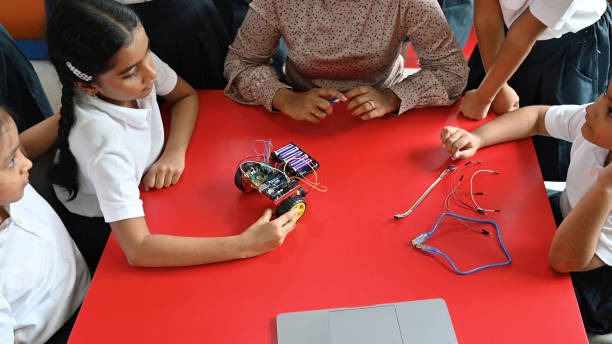
As children grow more comfortable with coding, they might enjoy exploring robotics. Building and programming a robot introduces them to the fascinating intersection of coding and engineering. Kits that combine building blocks with coding software, like LEGO Mindstorms or Dash and Dot, invite children to experiment and learn through trial and error. The thrill of seeing a robot respond to their commands can be incredibly motivating, encouraging perseverance and innovation.
Outdoor coding activities can also provide a refreshing change of pace. Organizing a scavenger hunt where kids follow coded instructions to find hidden treasures can be an exciting way to engage both their minds and bodies. By translating coding concepts into physical activities, children can experience the joy of coding in a new light while fostering teamwork and communication skills.
Incorporating storytelling into coding can further enhance the learning experience. Encourage children to create their own interactive stories using platforms like Twine or even simple text-based games. By weaving narratives with coding, they not only learn the technical aspects but also develop their storytelling abilities. This fusion of creativity and logic can lead to deeper engagement and a lasting interest in both writing and coding.
As with any learning process, it’s essential to keep the experience enjoyable and pressure-free. Celebrate small victories and encourage curiosity. The goal is to nurture a love for learning, not to create stress or competition. Parents can play an active role by participating in these activities, providing support and enthusiasm. This shared experience can strengthen bonds and create lasting memories, all while instilling valuable skills.
In the digital age, coding literacy is becoming increasingly important. By introducing children to coding through games and activities, we empower them to become creators rather than just consumers of technology. This shift can have a profound impact on their future opportunities, nurturing a generation that is not only tech-savvy but also equipped with critical thinking and problem-solving skills.
As they explore the world of coding, children learn resilience as they encounter challenges and setbacks. Each bug fixed and each program successfully executed builds confidence and a sense of accomplishment. These experiences teach them that failure is not the end but rather a stepping stone to success, an invaluable lesson that extends beyond the realm of coding.
In conclusion, coding games and activities for kids encapsulate a delightful blend of education and play. They provide an opportunity for children to express themselves creatively while developing essential life skills. By embracing the journey of coding together, families can cultivate a supportive environment that nurtures curiosity and fosters a lifelong love for learning. As the world continues to evolve, equipping our children with these skills can help them navigate the complexities of the future with confidence and creativity.