In today’s digital age, coding is becoming an essential skill for children, much like reading or mathematics.
As technology continues to shape our world, introducing kids to coding can open doors to creativity and problem-solving.
The good news is that there are plenty of engaging coding projects that can be easily explored at home. These projects not only provide a fun way for kids to learn but also encourage critical thinking and collaboration.
Creating a friendly atmosphere for coding is key. A cozy workspace with minimal distractions can help children focus and immerse themselves in their projects. Consider setting up a dedicated area with comfortable seating, good lighting, and perhaps some inspiring artwork or books related to technology. This small shift can make a big difference in how they approach their coding journey.
A gentle introduction to coding can start with simple games. Many children enjoy playing games, and creating their own can be a fantastic way to learn. Platforms like Scratch offer a user-friendly interface where kids can drag and drop code blocks to create interactive stories and games. By experimenting with various elements, such as characters, backgrounds, and sound effects, they can bring their ideas to life. Encourage them to start with a simple concept, like a character that moves across the screen, and gradually add more complex features, such as scoring systems or levels. This process not only teaches coding basics but also nurtures creativity.
Another delightful project to consider is building a personal website. This can be a wonderful way for children to express themselves online. Platforms like WordPress or Wix provide templates that make it easy for kids to customize their own space on the internet. They can share their favorite hobbies, showcase artwork, or even document their coding projects. The experience of designing a website teaches them about HTML and CSS, two fundamental coding languages. As they learn to manipulate text, images, and layouts, they will feel a sense of accomplishment as their personal brand comes together.
For those who are a bit more adventurous, creating a simple app can be an exciting challenge. Tools like MIT App Inventor allow children to design their own mobile applications without requiring extensive coding knowledge. They can brainstorm ideas for apps that solve problems or enhance daily life, such as a homework planner or a digital pet. As they work through the process of app development, they will gain insights into user experience and functionality. This project can be a great way to foster teamwork if they collaborate with siblings or friends.
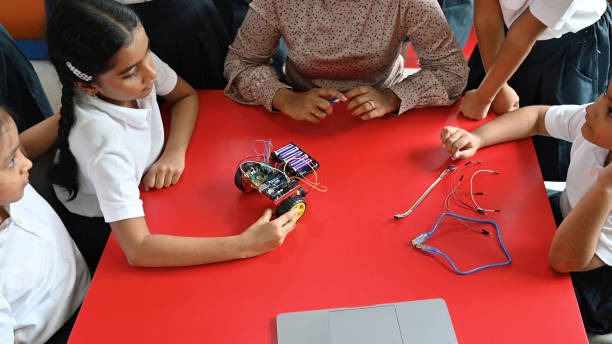
Exploring robotics can also be a captivating avenue for kids. Many kits are available that combine coding with tangible building experiences. For instance, LEGO Mindstorms enables children to construct their own robots and program them to perform tasks. This hands-on approach not only makes coding more tangible but also encourages imaginative play. Children can set challenges for their robots, such as navigating a maze or completing a dance routine. The joy of watching their creation come to life can be a powerful motivator.
As children dive deeper into coding, they might enjoy learning about data science in a fun way. Simple projects can involve collecting data from their everyday lives, like tracking the weather or their daily activities, and visualizing it using graphs. Programs like Google Sheets allow them to input their data and explore various chart options. This not only teaches them about coding but also introduces them to analyzing and interpreting data. It’s a gentle way to help them understand the impact of data in decision-making and real-world applications.
Storytelling through coding can also be a beautiful way to blend creativity with technology. Platforms like Twine allow children to create interactive stories where readers can choose their own paths. This project encourages narrative thinking and structure, as well as coding skills. Kids can write their own stories, incorporating elements that require readers to make choices, leading to different endings. This project can be particularly engaging for those who love literature and want to explore the intersections of storytelling and technology.
As with any new skill, patience is essential. Children may encounter challenges along the way, and that’s perfectly okay. Encouraging a growth mindset can help them view obstacles as opportunities for learning rather than setbacks. Celebrate their progress, no matter how small, and remind them that every coder has faced difficulties. This support can foster resilience and a love for learning.
Involving the whole family can also enhance the experience. Consider setting aside time for family coding nights, where everyone works on their projects together. Sharing what they’ve learned and created can spark discussions and inspire new ideas. It can also provide a great opportunity for parents to learn alongside their children, making it a bonding experience.
Ultimately, the goal of these coding projects is not just to teach technical skills but to nurture creativity, critical thinking, and collaboration. As children explore the world of coding at home, they are not only building a solid foundation for their future but also discovering the joy of creating something unique. As they experiment, learn, and grow, they will develop skills that extend far beyond coding, preparing them for a world that increasingly values innovation and problem-solving.
Encouraging kids to try these coding projects at home can be a rewarding journey for both them and their families. With a little creativity and a supportive environment, the possibilities are endless. So, gather some materials, set the stage for exploration, and watch as your children embark on their coding adventures. It’s not just about learning to code; it’s about fostering a mindset that embraces curiosity and creativity in all aspects of life.